PhD about behavior change techniques to enhance road safety among motorcycle taxi riders in Dar es Salaam.
Road traffic injuries are a significant public health issue worldwide, particularly in low- and middle-income countries where motorcycle taxis are commonly used for daily transportation. In Dar es Salaam, Tanzania, motorcycle taxi riders—known as “bodaboda” riders—play a crucial role in urban mobility and employment. However, they also rank among the most vulnerable road users due to risky riding behaviors, heavy traffic exposure, and challenging working conditions.
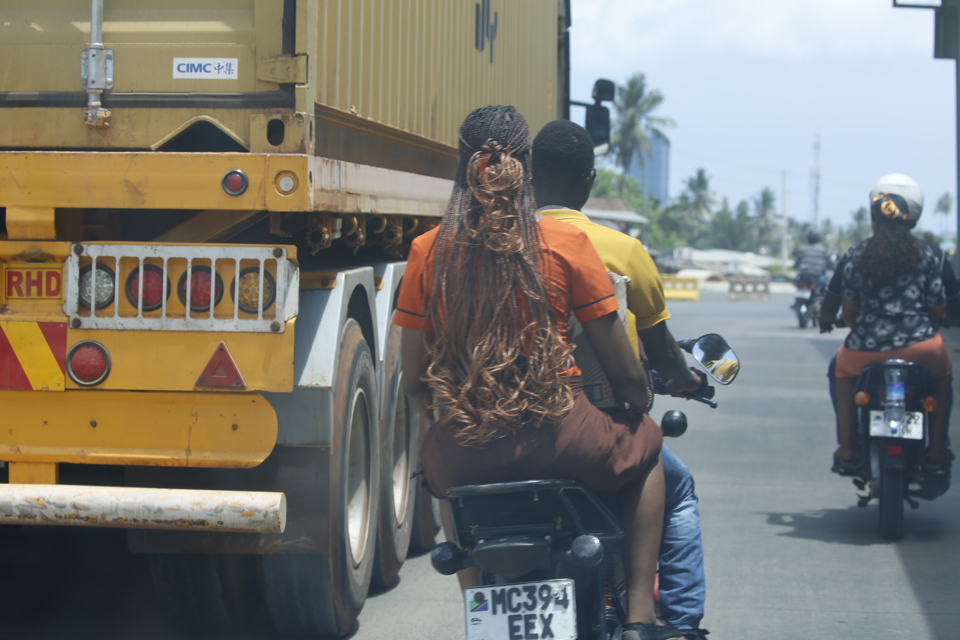
Katondo Salvatory Nambiza's PhD research aimed to enhance motorcycle taxi safety by understanding the reasons behind risky riding behaviors and developing a practical intervention to promote safer riding practices. The research included several studies: a systematic literature review, qualitative interviews, quantitative surveys, and an evaluation of the intervention.
The findings indicated that risky riding behaviors are influenced by various factors, including time pressure, income demands, peer influence, passenger expectations, limited hazard anticipation skills, and habitual unsafe practices, such as using mobile phones while riding. By applying behavioral science frameworks like Intervention Mapping, the COM-B model, the Theoretical Domains Framework, the Behavior Change Wheel, and Behavior Change Techniques, the study identified the most important behavioral determinants that are realistically changeable.
Building on these findings, the SAFARI–SPIDER intervention was developed. This intervention employed behavior change techniques tailored to the everyday realities of motorcycle taxi riders, focusing on safer phone use, hazard anticipation, calm riding, and the use of protective gear. The intervention was evaluated through a cluster-randomized controlled trial conducted at motorcycle taxi stands in Dar es Salaam.
The results showed significant improvements in targeted riding behaviors and the underlying behavioral determinants, demonstrating that theory-informed and context-sensitive interventions can enhance the safety of motorcycle taxi operations. This research offers practical guidance for policymakers, road safety practitioners, and transport authorities looking for effective strategies to improve road safety in rapidly urbanizing cities.
Want to know more about the PhD research of Katondo Salvatory Nambiza?
On Tuesday, June 2nd, 2026, at 5:00 p.m. Mr. Katondo Salvatory Nambiza will defend his PhD thesis at Hasselt University. His defence is open to the public and will take place in ceremony room Refugiehuis, Campus Hasselt. It is also possible to attend this defence online.
Afterwards, those in attendance are invited to a reception. If you wish to attend the defence and/or the reception, please register via this form by May 29th at the latest.
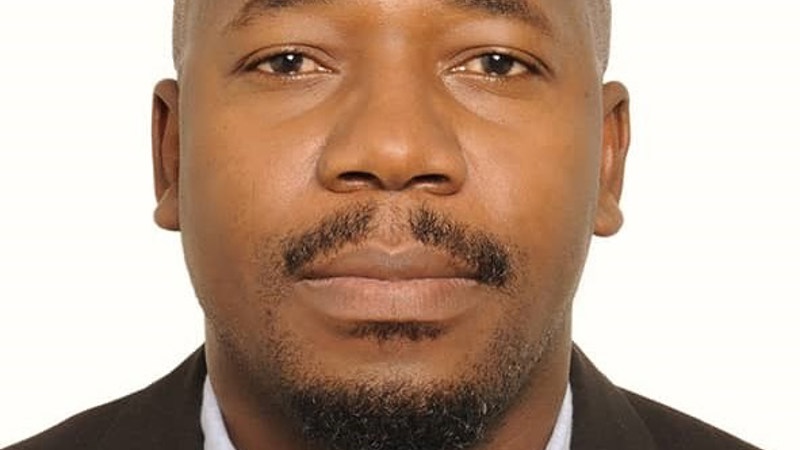
Who is Katondo Salvatory Nambiza?
Katondo Salvatory Nambiza is 38 years old and lives in Dar es Salaam, Tanzania. He is married and passionate about road safety and sustainable urban mobility. Katondo enjoys academic research and professional engagement in transport systems. He loves contributing to safer transport systems through research and practice.
Katondo was born in Tanzania. He holds a bachelor’s degree in Civil Engineering and pursued advanced studies in Transportation Sciences at Hasselt University, where he specialized in road safety and behavioral approaches to transport safety.
In addition to his academic work, he has gained professional experience in urban transport and road safety through his role at the Dar Rapid Transit Agency (DART). There, he was involved in the implementation and operation of the Dar es Salaam Bus Rapid Transit system. This experience sparked his interest in understanding the human and behavioral aspects of road safety in rapidly growing cities.
His PhD research at the Transportation Research Institute focused on enhancing motorcycle taxi safety in Dar es Salaam by applying behavior change techniques and theory-informed interventions. This research integrated behavioral science frameworks with real-world road safety challenges to develop and evaluate the SAFARI–SPIDER intervention, which targets motorcycle taxi riders.
Throughout his doctoral studies, he published several scientific articles in international peer-reviewed journals. These articles addressed topics such as motorcycle safety, risky riding behaviors, and behavior change interventions in low- and middle-income countries. His research interests encompass road safety, behavioral science, sustainable mobility, and transport policy in developing urban environments.