
Advanced Interventions & Surgical Innovations
We develop and evaluate next-generation interventional and surgical technologies that enhance precision, safety, and recovery. Our research drives innovation from novel pain management techniques to advanced imaging-guided procedures.
LCRC PIs
LCRC PIs
| Maartje Colaris |
Plastic Surgery |
| Catherina Deghislage |
Ophthalmology |
| Joris Duerinckx |
Orthopedics |
| Ludovic Ernon |
Neurology |
| Wilfried Gyselaers |
Gynaecology |
| Rik Houben |
Neurology |
| Joep Knol |
Abdominal Surgery |
| Mark Lutin |
Geriatrics |
| Dieter Mesotten |
Anesthesiology |
| Liesbeth Meylaerts |
Radiology |
| Joeri Meyns |
Oral and Maxillofacial Surgery |
| Katrien Nulens |
Gynaecology |
| Willem Ombelet |
Fertility |
| Christophe Oosterbos |
Neurosurgery |
| Mark Plazier |
Neurosurgery |
| Gregory Sergeant |
Abdominal Surgery |
| Björn Stessel |
Anesthesiology |
| Steven Thiessen |
Anesthesiology |
| Sofie Van Cauter |
Radiology |
| Kurt Van der Speeten |
Abdominal Surgery |
| Koenraad Van Renterghem |
Urology |
| Jasper Verguts |
Gynaecology |
| Koen Willekens |
Ophthalmology |
PhD Candidates
PhD Candidates
- Mechanisms of interventional analgesia with interfascial plane injections and their use in enhanced recovery programs for primary hip arthroplasty
- Structural and functional outcomes of xlif compared to plif
- Interventional radiofrequent treatment of chronic knee pain
- Assisted Reproductive Technology in the public health sector of South Africa - implementation of an affordable in vitro fertilisation embryo culture system
- The effect of disease-host interactions on Energy and Protein metabolism in critical illness
- Optimising Neuromodulation for Migraine: Integrating Stimulation Design with Patient-Centric Outcomes
- Endocrine Interventions and Enhanced Recovery After Surgery (ERAS)
- Nailfold video capillaroscopy in normal pregnancy and pregnancy complicated with hypertensive disorders
- AI- Powered Quantification of Complexity in Pancreatic Surgery
Research projects in the spotlight
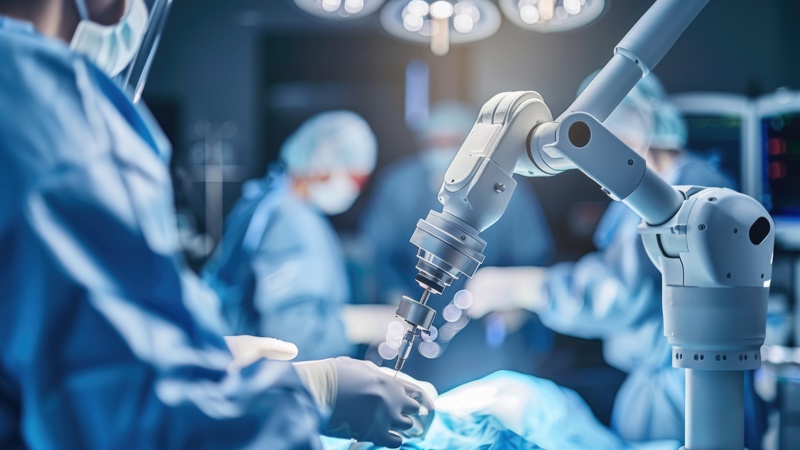
Neurosurgical Innovations & Neuromodulation
This research line focuses on developing and evaluating advanced surgical and neuromodulation techniques that improve precision, safety, and patient recovery. By integrating minimally invasive procedures, neurotechnology, and clinical research, LCRC aims to optimise treatments for complex neurological and spinal disorders.
Why it matters
Many neurological and spinal conditions require invasive procedures or long treatment trajectories. Innovations in minimally invasive surgery and neuromodulation offer new opportunities to reduce surgical trauma, shorten recovery time, and improve treatment outcomes. Research in this domain helps translate emerging technologies into safer and more effective clinical interventions.
Ongoing PhD Projects
Minimally invasive spinal fusion techniques
Sven Bamps (LCRC PhD – UHasselt/Jessa)
This PhD compares minimally invasive extreme lateral interbody fusion (XLIF) with traditional posterior spinal fusion techniques for the treatment of lumbar spine disorders. The project evaluates differences in clinical outcomes, recovery time, and muscle impact to better understand how surgical approach influences patient recovery and long-term function.
Promotor: prof. dr. Mark Plazier (UHasselt)
Optimising neuromodulation for treatment-resistant migraine
Peter Morris (LCRC PhD – UHasselt/Jessa & Salvia BioElectronics)
This PhD focuses on improving implantable neuromodulation therapies for patients with treatment-resistant migraine. The research investigates stimulation parameters, surgical techniques, and patient-related factors to better understand treatment mechanisms and optimise therapy effectiveness.
Promotor: prof. dr. Mark Plazier (UHasselt)
Co-promotor: dr. Wim Pollet (Salvia BioElectronics)
Critical Care Metabolism & Recovery
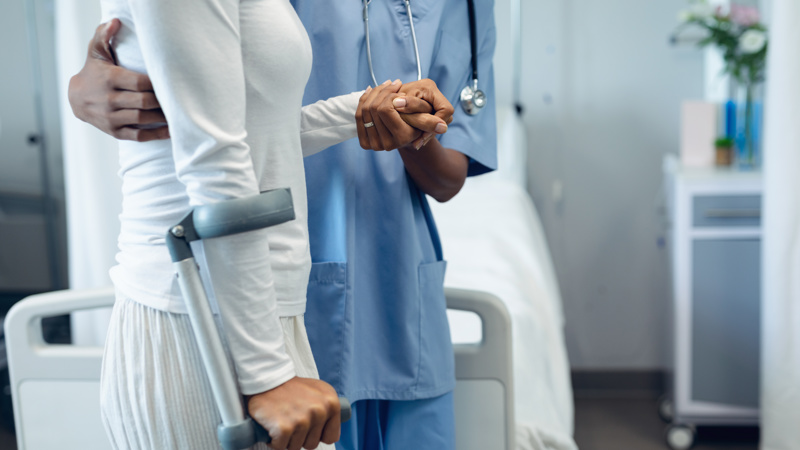
This research line focuses on understanding how critical illness and surgical stress affect metabolism, nutrition, and recovery. By studying energy expenditure, protein metabolism, and endocrine responses, LCRC aims to develop more personalised strategies that support recovery in critically ill and surgical patients.
Why it matters
Critically ill patients often experience severe metabolic disturbances that lead to muscle loss, weakness, and prolonged recovery. Optimising nutritional support and perioperative care is therefore essential to improve functional recovery and long-term outcomes.
Research at LCRC investigates how energy and protein metabolism change during critical illness and surgery, and how targeted interventions, from nutritional strategies to endocrine modulation, can help improve recovery and quality of life for vulnerable patients.
Ongoing PhD projects
Energy and protein metabolism in critical illness
Lise Cardinaels (Joint LCRC PhD – UHasselt/ZOL & Maastricht University)
This PhD investigates how disease-related factors and patient characteristics influence protein metabolism in critically ill patients. By combining clinical data, metabolic measurements, and large ICU datasets, the research aims to improve how nutritional needs are determined and to support more personalised nutrition strategies in intensive care.
Promotor: prof. dr. Dieter Mesotten (UHasselt), prof. dr. Luc van Loon (Maastricht University)
Co-promotor: prof. dr. Steven Thiessen (UHasselt), prof. dr. Marcel van de Poll (Maastricht University)
Endocrine interventions for enhanced recovery after surgery
Wencke Renette (Joint LCRC PhD – UHasselt/ZOL & KU Leuven)
This PhD investigates whether endocrine interventions can improve recovery after major surgery, particularly in elderly patients. The research evaluates how drugs such as corticosteroids and dexmedetomidine influence the surgical stress response, postoperative fatigue, muscle weakness, and sleep quality within enhanced recovery after surgery (ERAS) pathways.
Promotor: prof. dr. Dieter Mesotten (UHasselt), prof. dr. Steffen Rex (KU Leuven)
Co-promotor: prof. dr. Steven Thiessen (UHasselt)