
Mobile Health Unit
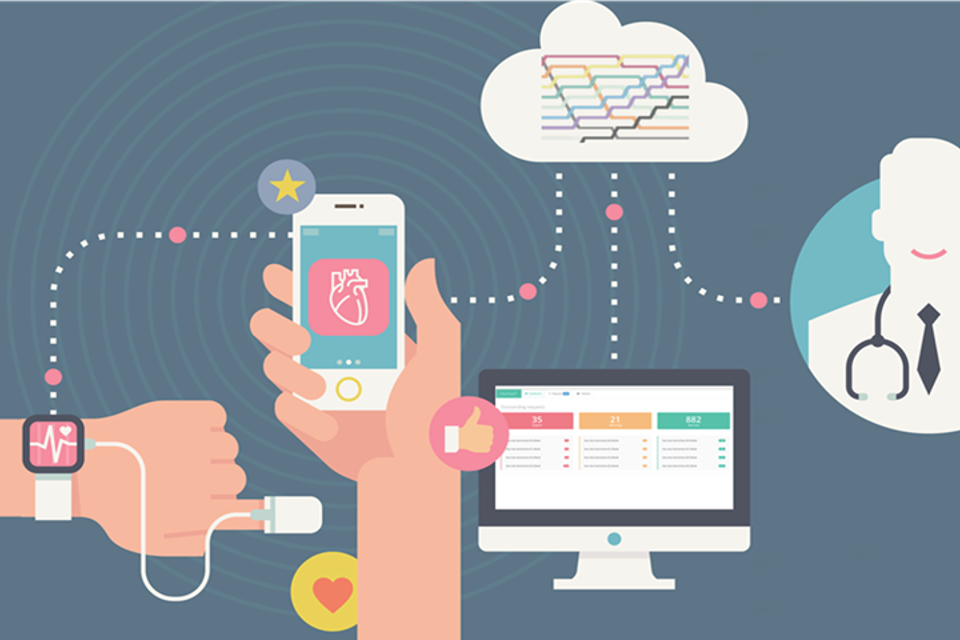
The Mobile Health Unit (MHU) transforms clinical needs into evidence-based mobile health solutions.
As a multidisciplinary team of professional caregivers and researchers we focus on finding practical & evidence based solutions for mobile health problems.
Strategic Partnership
The Mobile Health Unit (MHU) is a research and innovation platform within the Limburg Clinical Research Center (LCRC), bringing together the expertise of Hasselt University, Jessa Hospital and Ziekenhuis Oost-Limburg (ZOL).

Hasselt University - Martelarenlaan 42 - 3500 Hasselt
Jessa Hospital - Salvatorstraat 20 - 3500 Hasselt
Ziekenhuis Oost-Limburg - Synapspark 1 - 3600 Genk
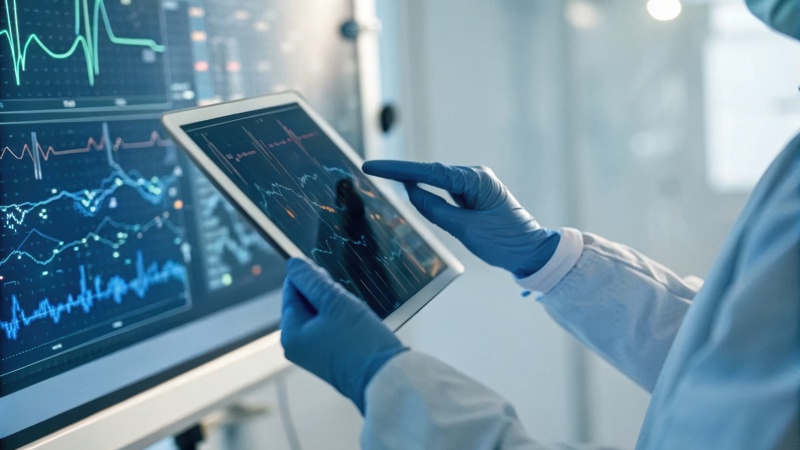
Hybrid care: a response to the future of healthcare
Our healthcare system is at a turning point. Ageing populations, rising chronic conditions,
staff shortages and increasing healthcare costs are placing growing pressure on current care
models. The gap between demand and provision continues to widen. Rethinking how we
organise care is essential to keep it sustainable and resilient.
At the same time, new opportunities are emerging. Digital technologies are enabling care
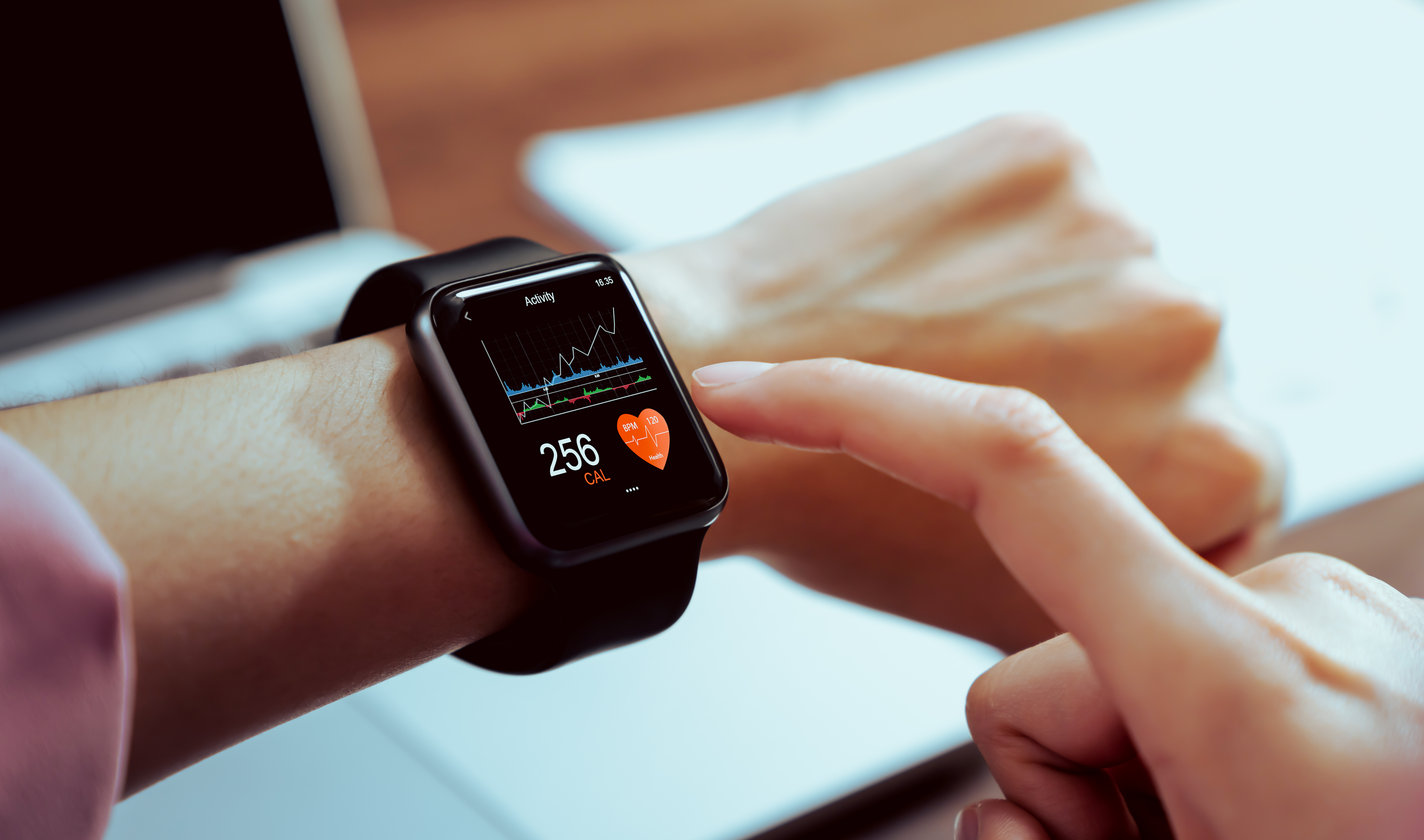
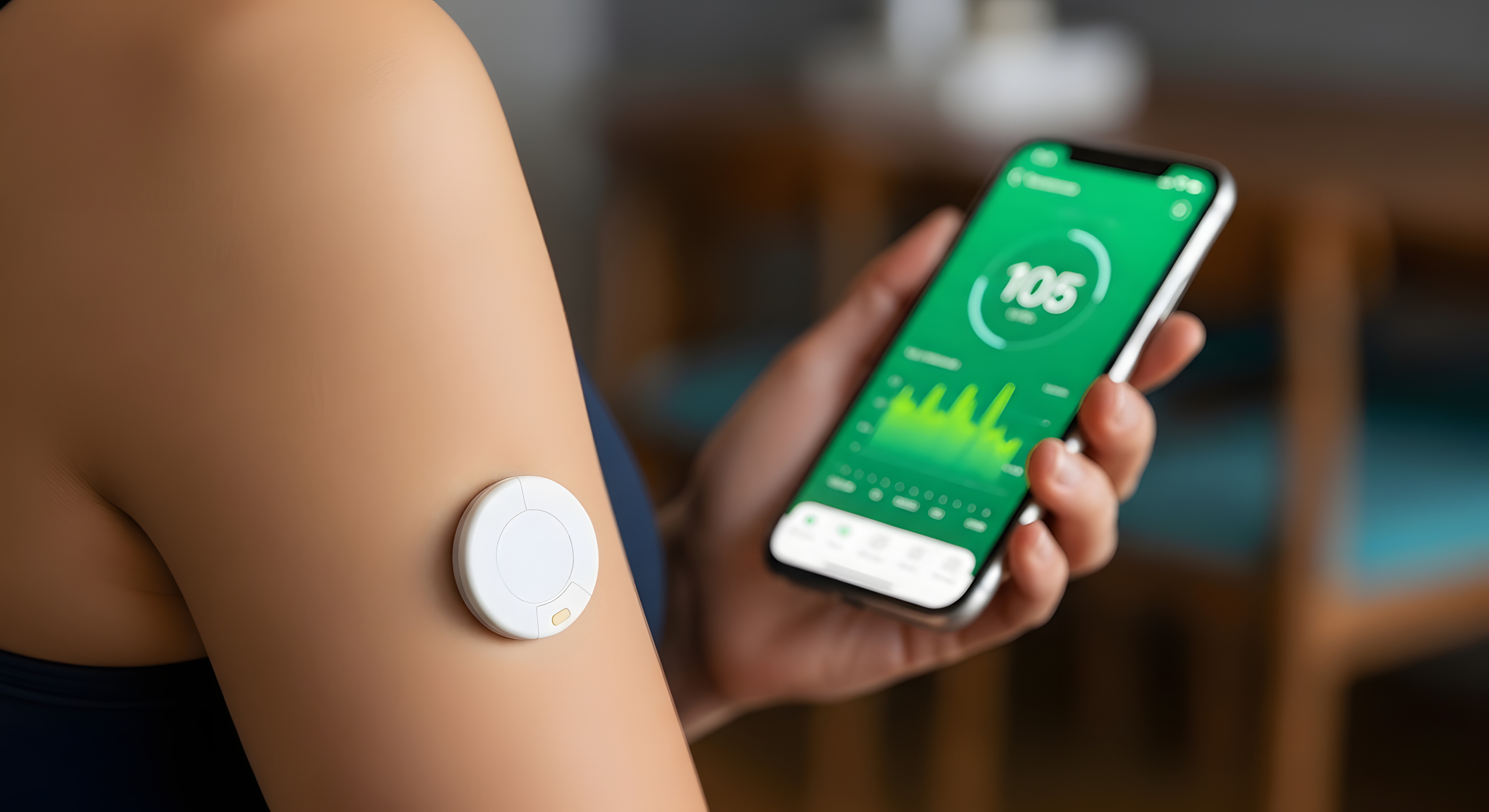
both inside and beyond hospital walls, bringing it closer to patients’ everyday lives. Sensors,
apps, data platforms and AI applications offer new ways to monitor, support and actively
involve patients in their own health.
Hybrid care, where physical and digital care reinforce one another, offers a promising
solution. It helps bridge the care gap, improves efficiency, and supports healthcare
professionals in delivering high-quality, person-centred and sustainable care. However, this
transformation requires more than technological innovation. It demands scientific evidence,
adapted care processes and collaboration between all stakeholders. Precisely where these
strands come together, the Mobile Health Unit (MHU) operates.
How can we organise care in a way that is better, more accessible and future-proof? What
role can technology play in this? And what does this require from the way care is organised
today? These are the questions that guide our work.
What distinguishes our approach?
Evidence over promise
Scientific validation and independence
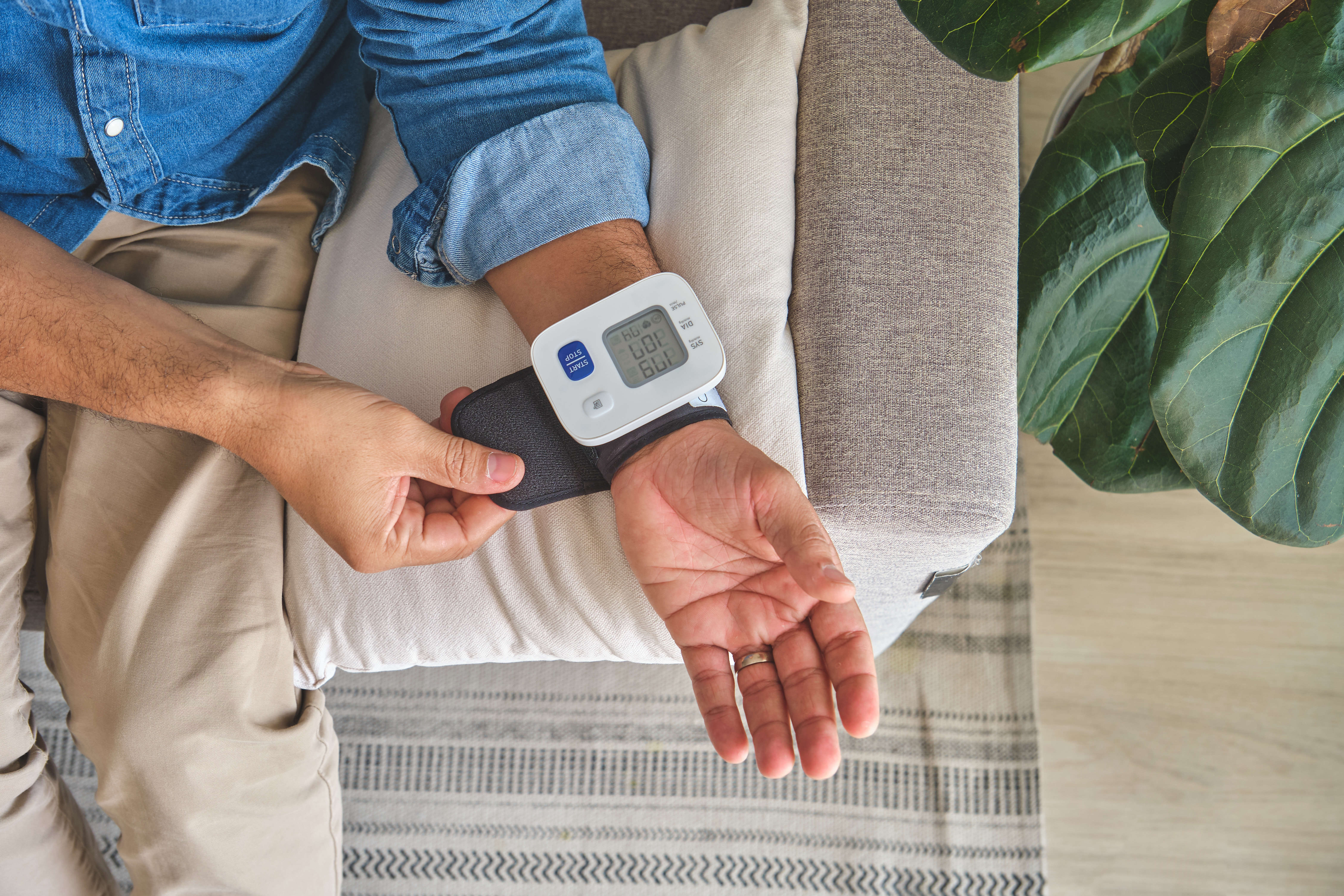
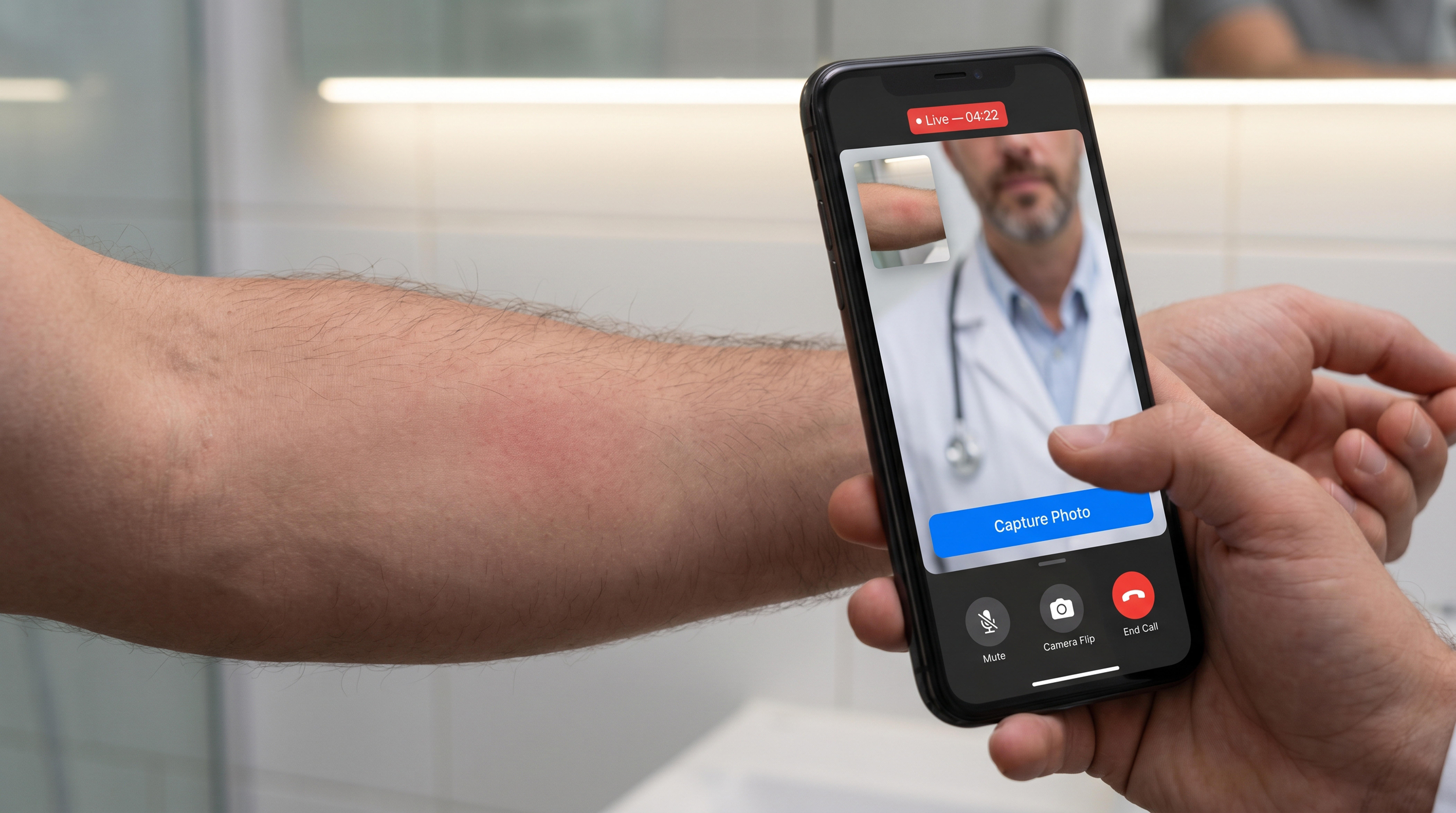
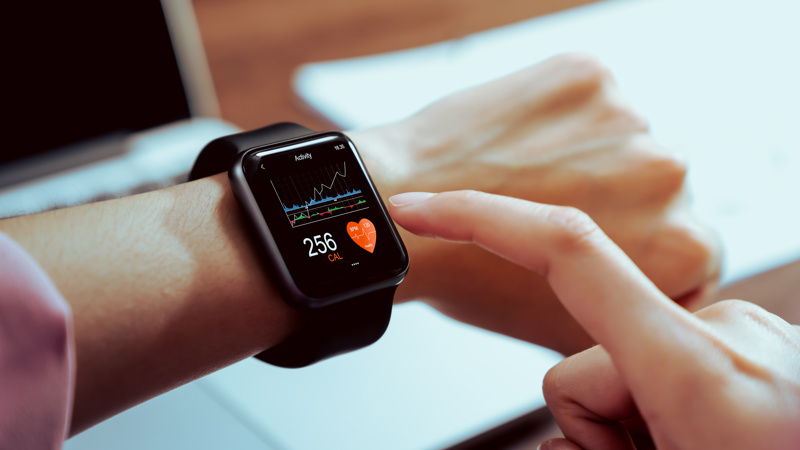
Scientific evidence lies at the core of everything we do. At every stage of development, we begin with clearly defined research questions and predefined, measurable objectives. This allows us to objectively demonstrate the added value of hybrid care.
Scientific independence is essential to our work. It allows us to evaluate digital applications objectively and to report findings transparently — including when expected benefits are not realised. As demonstrated in PREMOM, we are equally committed to making such outcomes visible.
Unexpected findings are not a setback, but a source of insight: they deepen our understanding, inform better decision-making, and help ensure that resources are used where they have real impact.
From innovation to routine care
360° expertise across the full trajectory
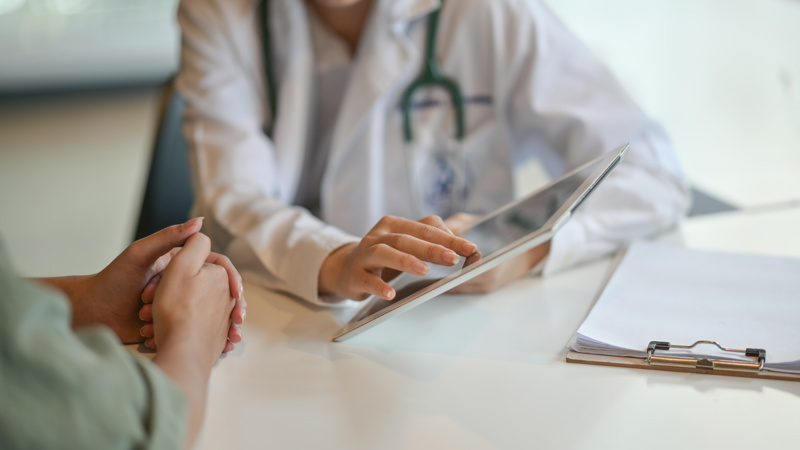
The Mobile Health Unit has expertise across the entire innovation pathway: from initial idea to sustainable integration in clinical practice.
Hybrid care is more than adding digital tools to existing care. It requires changes in care processes, collaboration between professionals and the role of the patient. Our approach therefore combines technological innovation, process redesign, clinical implementation and – where possible – transition to routine care, with attention to scalability, funding and policy frameworks.
We collaborate closely with a broad network of stakeholders and centres of expertise, including the Data Science Institute (DSI), health economics experts and academic partners such as KU Leuven.
We also provide access to the Digital Health Research Platform (DHARMA): an accessible testing environment where mHealth applications can be evaluated and visualised within pilot projects. This platform supports data collection, monitoring and validation, accelerating the transition from experimentation to implementation.
Owing to this integrated approach, promising innovations are able to move beyond the pilot phase and become embedded in clinical practice. This transition from experimentation to routine care is a central focus of our work.
FibriCheck is one such example, now structurally integrated into daily hospital operations across Limburg.
Starting from a clinical need
Care-driven innovation
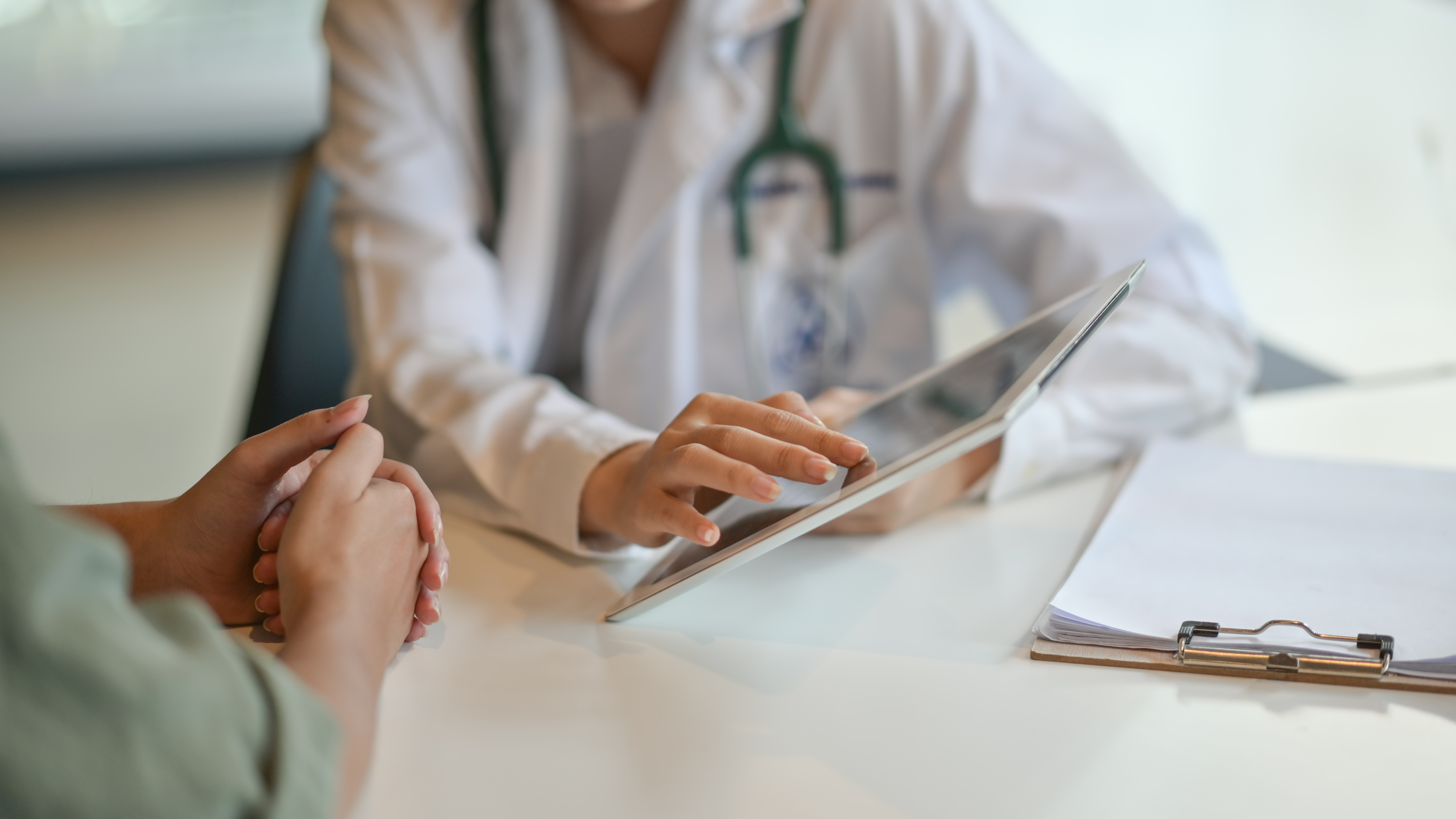
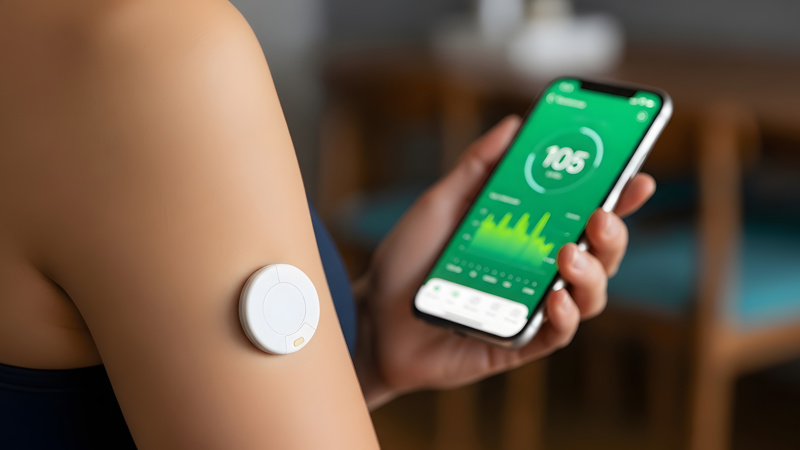
Technology is a means – never an end. Improving and sustaining healthcare is what drives us. We therefore investigate not only whether technology works, but also how care must be reorganised to integrate it safely, efficiently and sustainably. This combination of technological insight and deep understanding of care processes is key to successful implementation.
Pioneer in Mobile Health
Expertise and experience since 2012
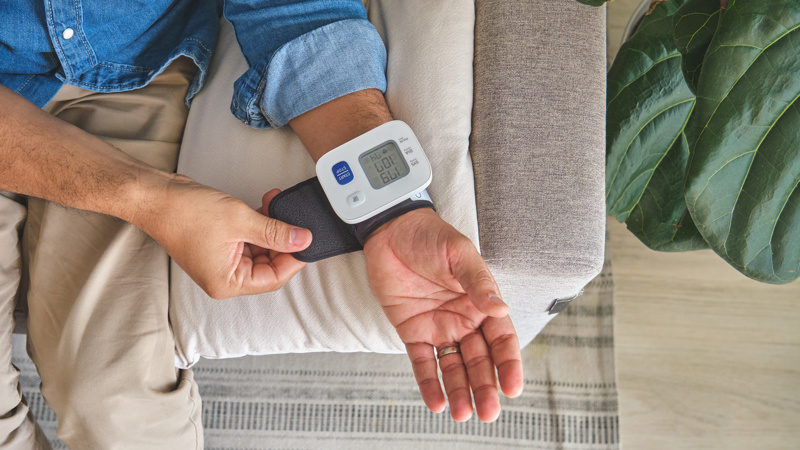
The Mobile Health Unit is one of the pioneers in mobile health in Belgium and Europe. Since 2012, we have built expertise in remote monitoring and hybrid care pathways, with early international recognition in cardiological telemonitoring. Our spin-off Qompium has become an international reference project, demonstrating how fundamental research, clinical validation and societal impact can reinforce one another.
This experience enables us to critically assess innovation, interpret technological developments and situate new applications within their clinical, organisational and societal context.
We also manage a unique global open-access database of wearables, medical devices, AI applications and hybrid care pathways, providing a reliable reference for professionals, researchers and policymakers.
Embedded in a strong care network
From research to living lab
The Mobile Health Unit operates within a broad and sustainable network of partners. What began as a collaboration between Hasselt University, Jessa Hospital and Ziekenhuis Oost-Limburg has evolved into an ecosystem of national and international partners.
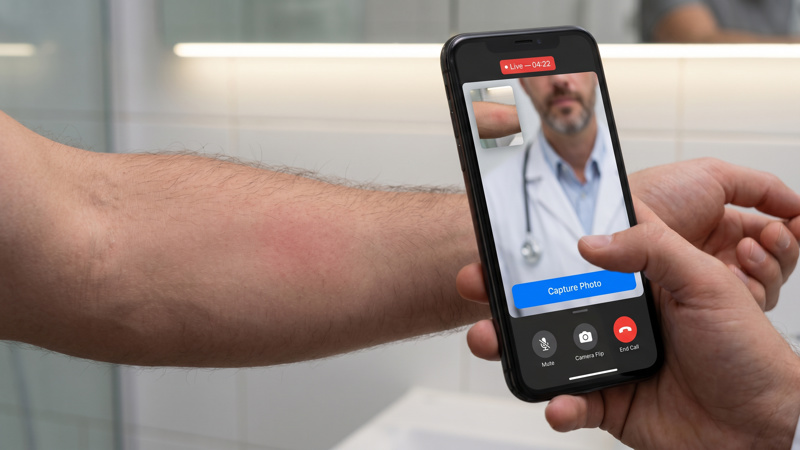
Through the development of the Remote Clinical Monitoring Centre (RCMC), we are building a regional Smart Care Hub: a real-world environment where innovation is implemented in daily practice.
Together, MHU and RCMC create a living lab where research, innovation, implementation and societal impact reinforce one another – turning healthcare innovation into real-world practice.