UHasselt project Solar Cookers for All wins DOCVILLE Science Pitch and secures its own scientific documentary
The UHasselt research project Solar Cookers for All has won the Science Pitch of the DOCVILLE Documentary Film Festival. Thanks to this achievement, the research will now be transformed into a scientific documentary that will premiere at DOCVILLE 2027 before being screened at international film festivals and on the Belgian television channel Canvas. Through Solar Cookers for All (Sc4all), researchers and students from UHasselt and the University of Lubumbashi (DR Congo) are developing affordable and sustainable solar-powered cooking devices. “It is a great honour to be able to showcase our research in this way,” says the Sc4all team.
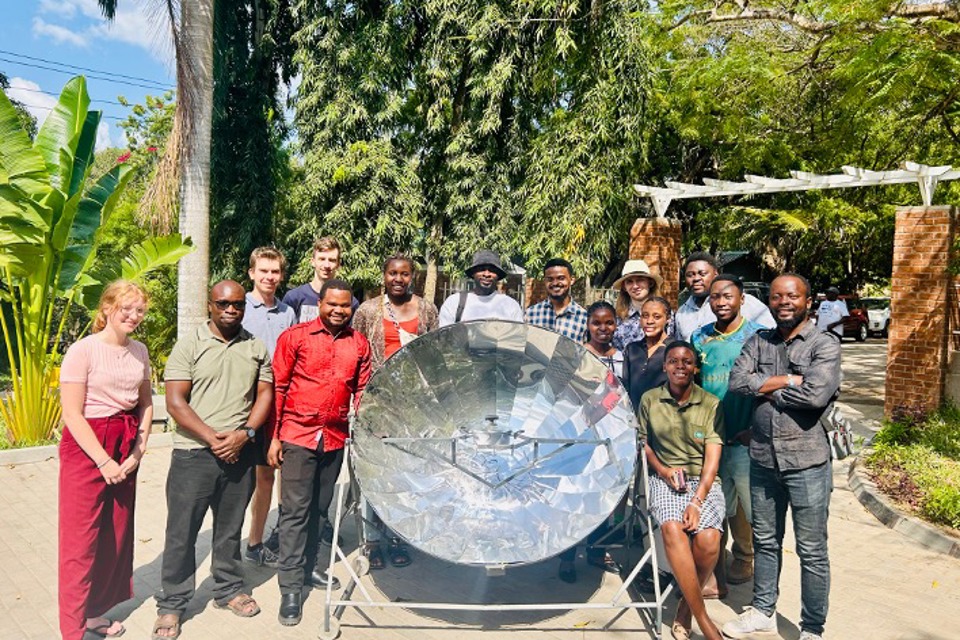
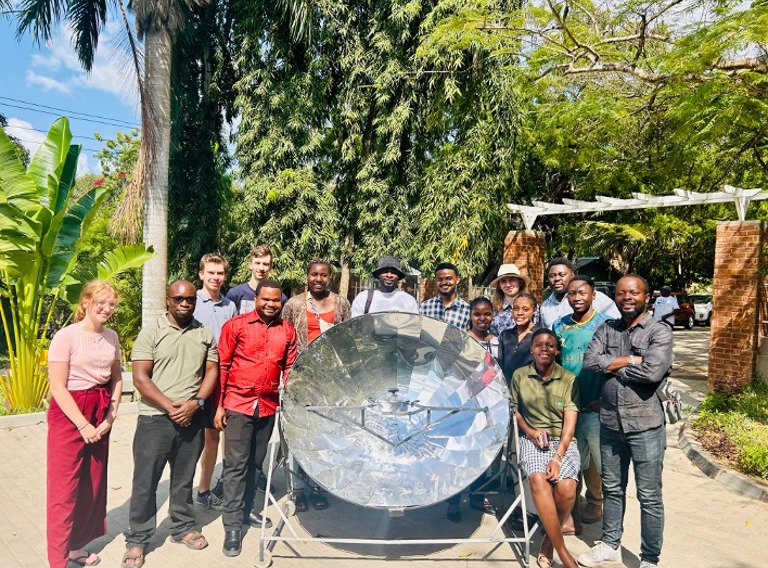
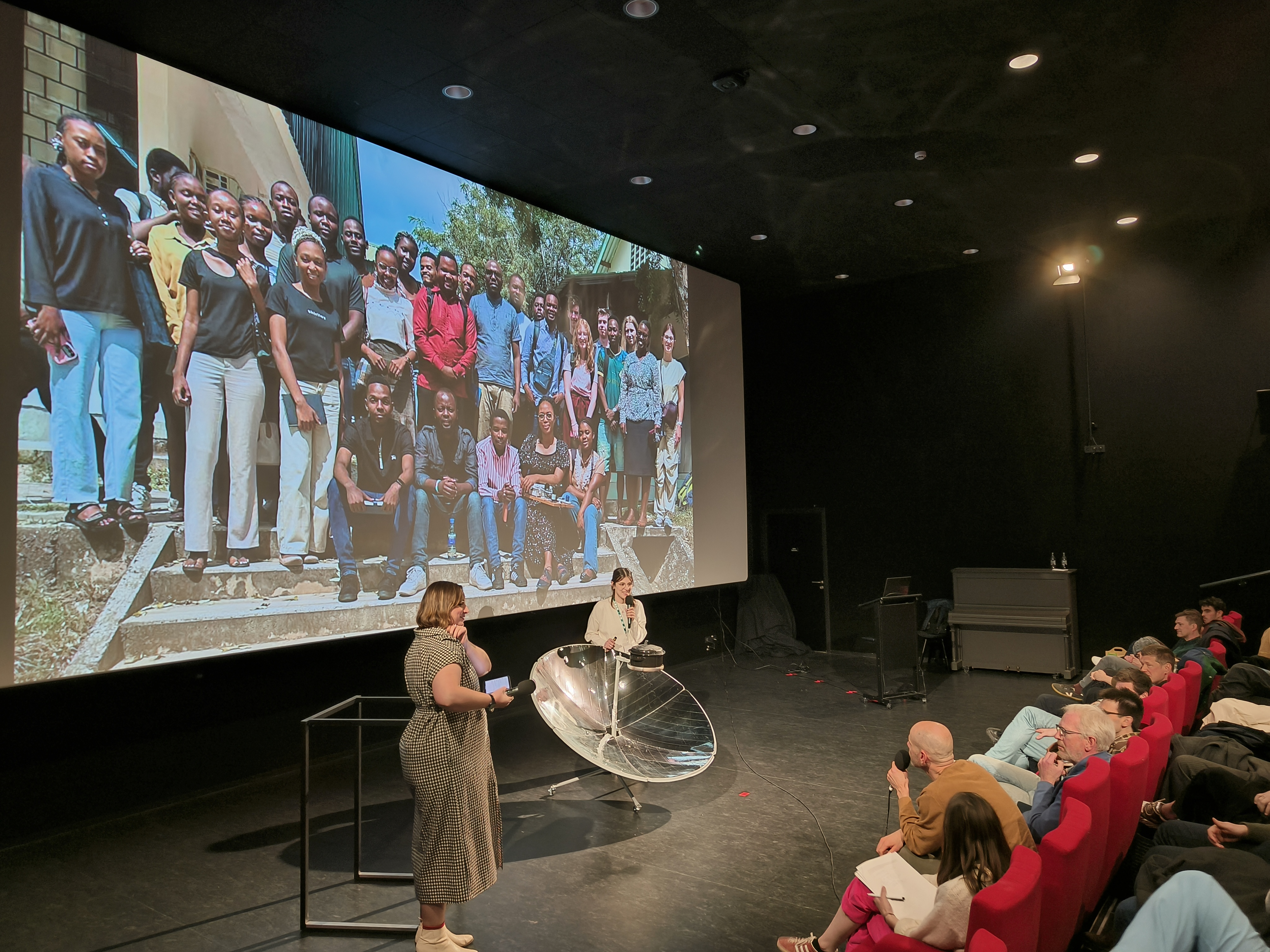
For the fourth consecutive year, DOCVILLE, Belgium’s largest and most important documentary film festival, organised the Science Pitch. This competition gives researchers and filmmakers the opportunity to translate scientific research into a documentary. From submissions by all five Flemish universities, two projects were selected, each receiving a budget of at least €40,000 to produce a documentary. One of the two selected projects is Solar Cookers for All, a collaboration between UHasselt and the University of Lubumbashi, supported by VLIR-UOS.
Sustainable solar cookers
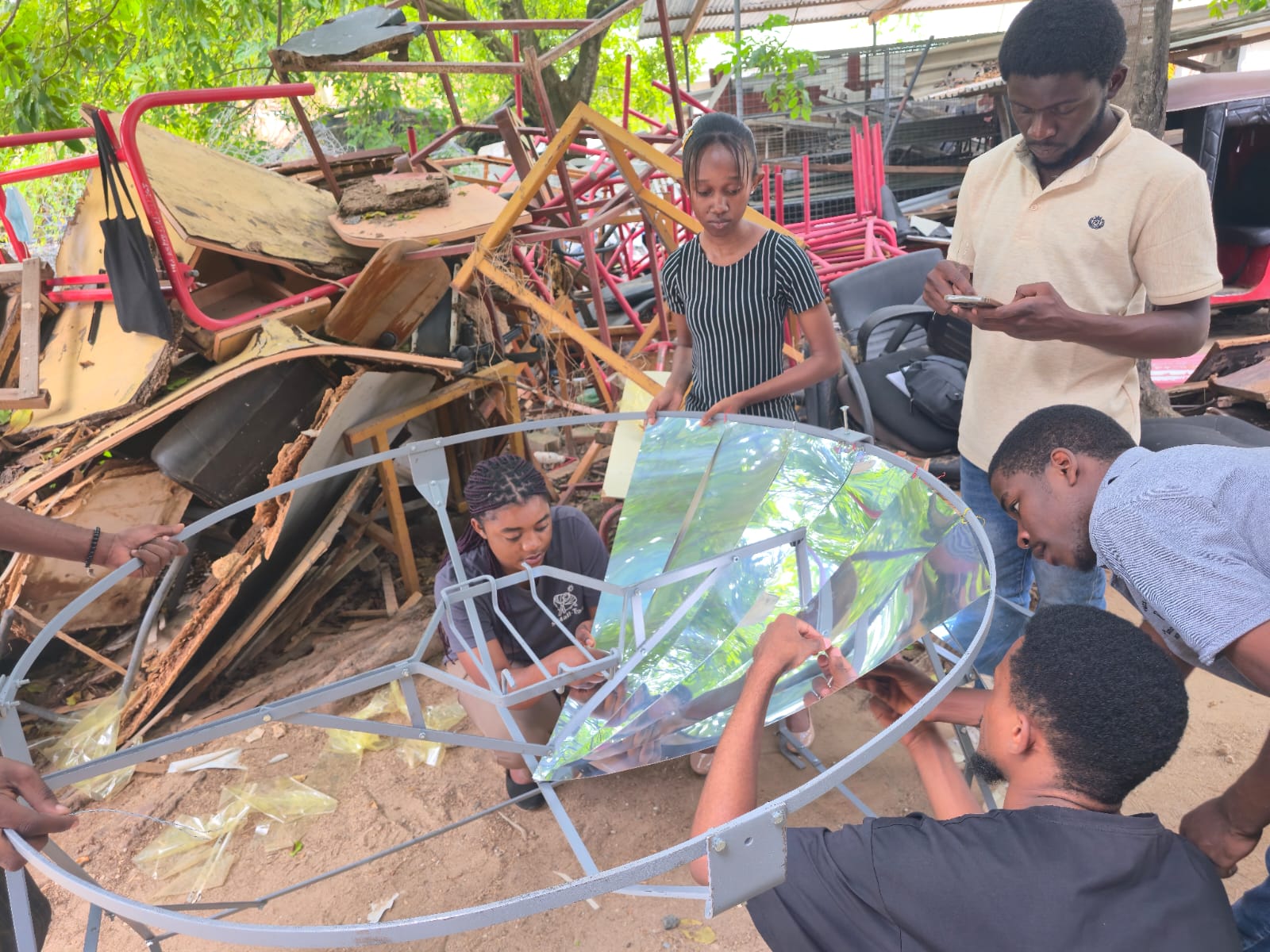
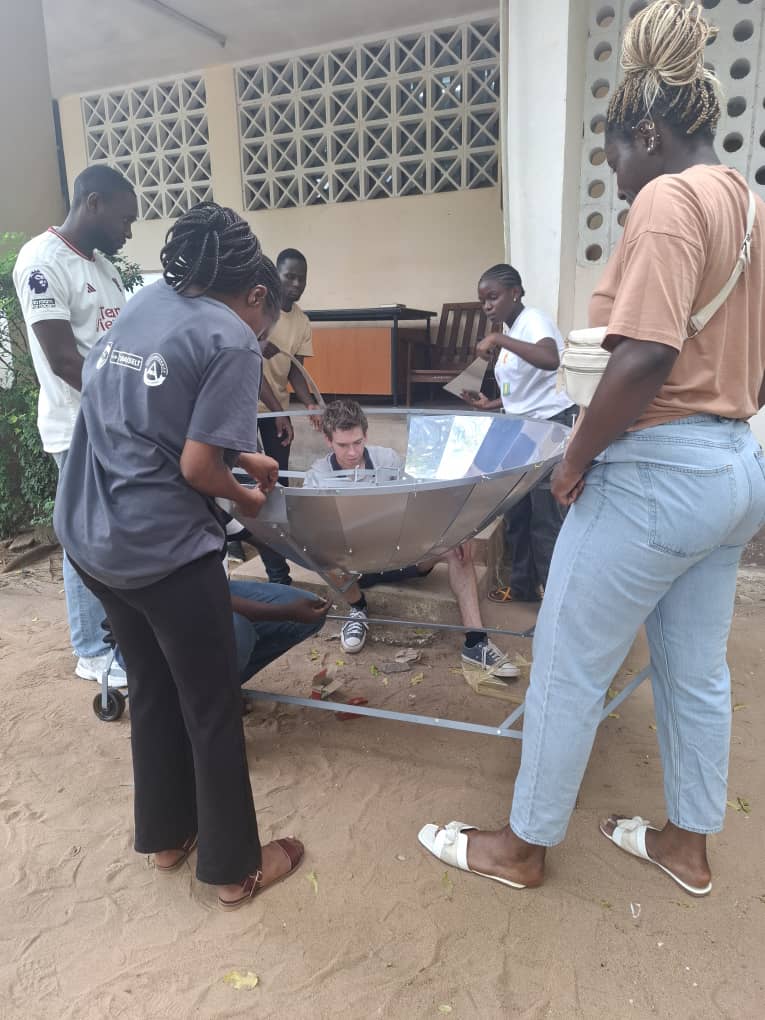
In the Democratic Republic of Congo, 90 per cent of households use charcoal for cooking, resulting in large-scale deforestation and numerous health problems. At the same time, it particularly limits opportunities for women and girls, as they are traditionally responsible for cooking and are therefore the most affected. As an alternative to charcoal, Sc4all develops user-friendly and circular solar cookers made from locally available and often recycled materials. These devices heat food using reflective panels that concentrate sunlight. “With a solar cooker, you use the sun’s energy directly. It is sustainable and efficient. However, commercial solar cookers currently on the market often cost several hundred euros, making them inaccessible to local communities in countries such as DR Congo,” says Dr Aslihan Babayigit, Sc4all team member and coordinator of the Science Pitch submission.
Reflective crisp packets
Within Sc4all, researchers and students from a wide range of disciplines - including engineering technology, physics, data science, law, and business economics - develop and test solar cooker prototypes. One of these prototypes consists of the reflective inner lining of recycled crisp packets. “Our solar cooker costs only around ten euros and performs almost as well as a commercial solar cooker. It took just five minutes longer to bring water to a boil,” say physics students Daan Ottevaere and Maiko Meyers. Thanks to a recently approved VLIR-UOS TEAM project, Sc4all will be able to continue and expand its activities over the next five years. The partners will also investigate how solar cookers can be produced and distributed locally. To this end, they work closely with local partners and communities to increase the likelihood that the solar cookers will be effectively adopted and sustainably embedded in everyday practice.
Much more than the technical aspect
Film director Laura Vandewynckel was immediately captivated by the story behind Sc4all. Together with Dr Aslihan Babayigit, she seized the opportunity to write a documentary script about the research project and present it during the Science Pitch. “For me, Sc4all is not only about the technical side: designing an affordable and sustainable device that can help local communities. It is also about ethical and intercultural dimensions that raise many important questions,” says Laura Vandewynckel. “In this project, cooking is connected to themes such as family, gender roles, labour, scarcity, knowledge and power relations. With this documentary, I want to show how science emerges through dialogue with the people it is intended to serve. Who decides what works, and when can a design be considered successful? What does sustainability mean when a technology does not align with the habits or needs of the people it is meant for? And how can collaboration become truly reciprocal when it takes place within the historical relationship between Belgium and Congo, a former colonial power and its former colony? Those are the questions I want to explore in this documentary.” Filming for the documentary is already well underway. In early July, a delegation from Sc4all will travel to Lubumbashi together with the film crew. The documentary, currently working under the title La recette de l’écoute (The Recipe of Listening), will premiere at DOCVILLE 2027.