Zoology, Biodiversity and Toxicology
The ZOOLOGY: BIODIVERSITY AND TOXICOLOGY group focuses on the impact of toxic compounds and nanoparticles on stem cell behaviour, cancer and developmental processes in different model systems. From an applied perspective, the group developed a screening assay (Neomodels) to detect potential carcinogens based on stem cell dynamics.
The group moreover studies biodiversity in all its aspects. It hosts a well-equipped histological and molecular platform. It has culture rooms, a completely-equipped histology and microscopy lab and facilities to work with toxic compounds.
Professors








Associated Research Teams
Field Research Centre (FRC)
Field Research Centre (FRC)
Function
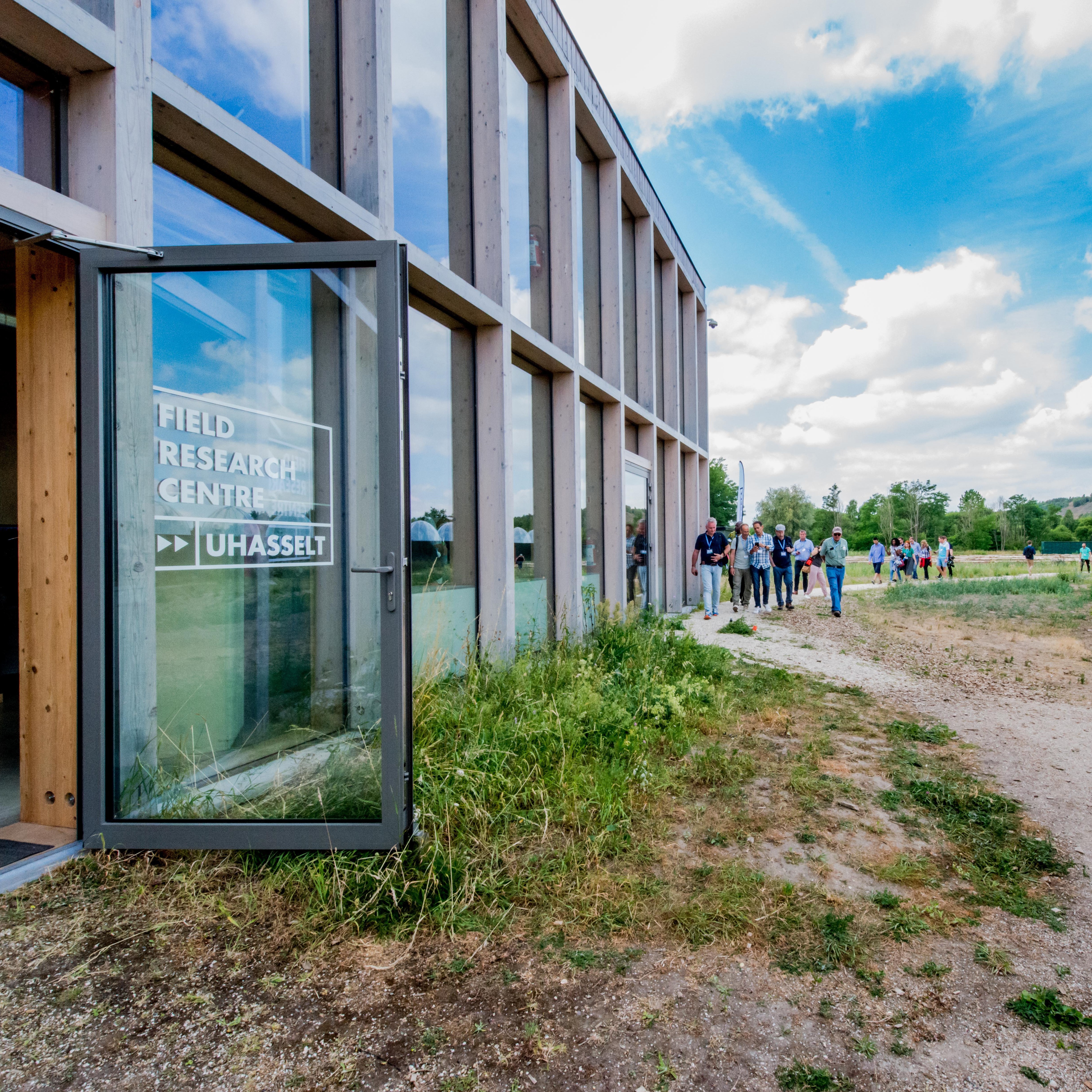
The FRC team studies biodiversity, ecosystem functioning and environmental change through long-term monitoring, field research and modelling. Their work explores how species, ecosystems and wildlife respond to environmental changes, including the interactions between humans and wildlife. By combining fundamental and applied research, the team helps improve our understanding of natural ecosystems and supports their conservation and sustainable management.
Aquatic Biodiversity Team
Aquatic Biodiversity Team
Function
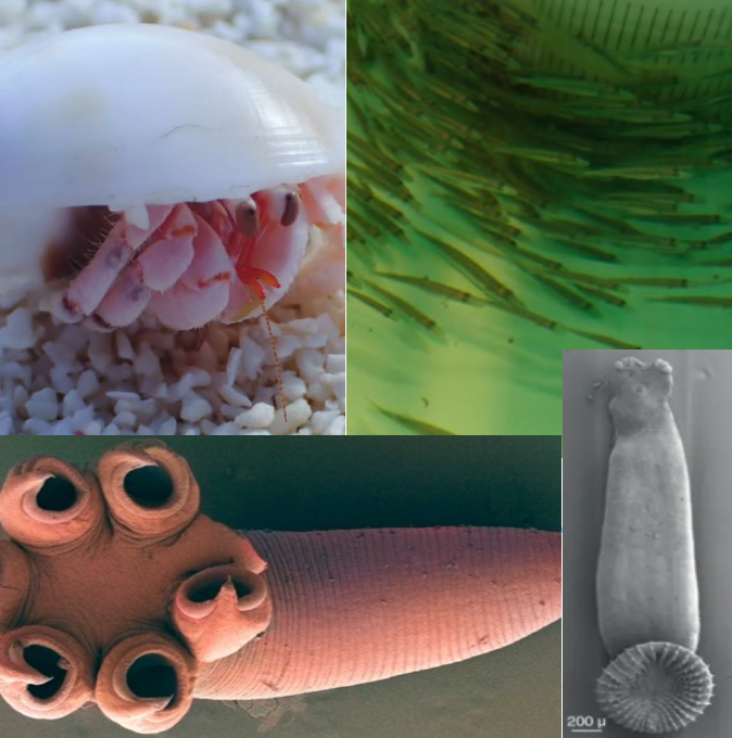
The Aquatic Biodiversity Team studies aquatic biodiversity and the interactions between parasites and their hosts. Research focuses on taxonomy, evolution, conservation and ecosystem functioning in a One Health context, contributing to a better understanding of aquatic ecosystems and the biodiversity they support.
The team also engages with a broader audience through educational resources, outreach activities and citizen science initiatives such as the WASP-P project. Curious to help? Join the survey and contribute to ongoing research.

Interested in collaborating with our team?
We welcome research partnerships, student projects and knowledge exchange initiatives.