About AFP

The AFP group is active within the Sustainable materials research clusters at the Institute for Materials Research (imo-imomec) and actively collaborates with other groups within the MATCHEM department. Our research is broadly concerned with advanced functionalization of soft polymer materials employing controlled polymerization strategies and state-of-the-art synthetic technology.

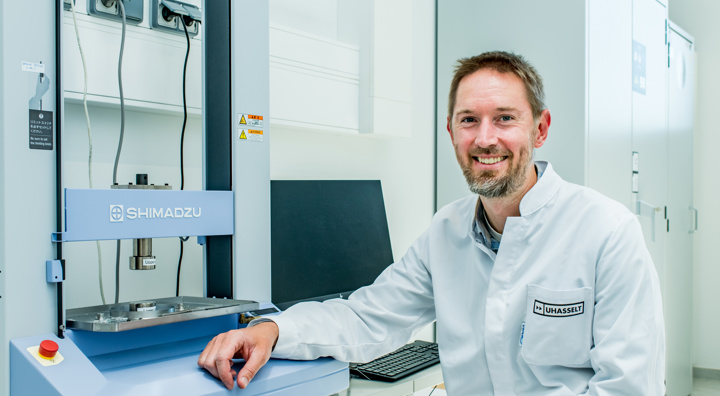
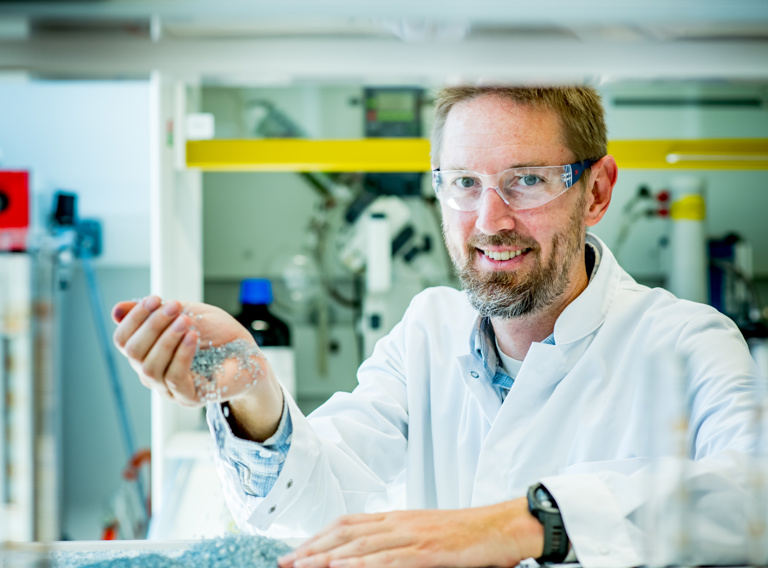
Louis Pitet 08 Louis Pitet 08
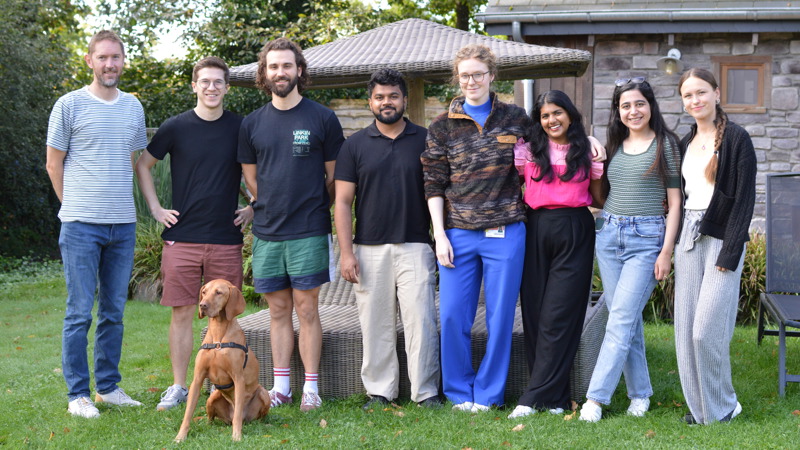
DSC 0596

Introduction to AFP

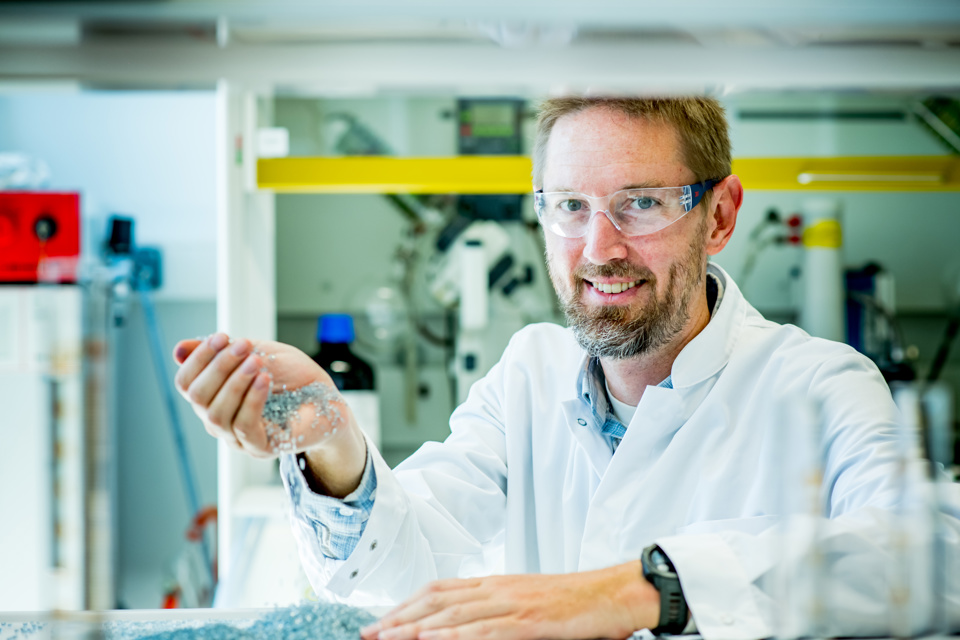
The AFP group develops advanced functional soft polymer materials through controlled polymerization and cutting-edge synthetic methodologies. By precisely engineering molecular structure and composition, we create functional materials that harness the complex behavior of multicomponent soft matter systems.

Our research focuses on materials capable of sophisticated functions, including self-assembly, stimuli responsiveness, and triggered reactions. We design and synthesize complex polymer architectures with applications spanning nanotechnology, adaptive biomaterials, recycling and reuse strategies, and synthetic process/reactor technology.

Sustainability is a central principle throughout our research. We strive to develop materials and processes using responsible, resource-efficient approaches while targeting technologies that contribute to a more sustainable future. We are committed to fostering a research culture that values stewardship of resources and encourages the next generation of scientists to embed sustainability into the foundations of their work.

Explore our website to learn more about our research activities, and feel free to get in touch with us.
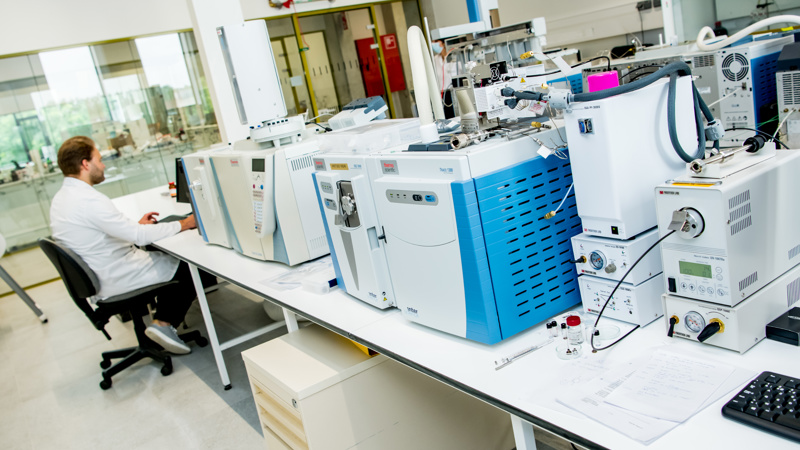
IMO Shoot 2021 32

Materials Chemistry (MATCHEM)

The Materials Chemistry (MATCHEM) group at Hasselt University gathers all experimental expertise groups focusing on different materials chemistry aspects, with their own specific focus and expertise, collaborating closely and sharing equipment, technical staff, and responsibilities.

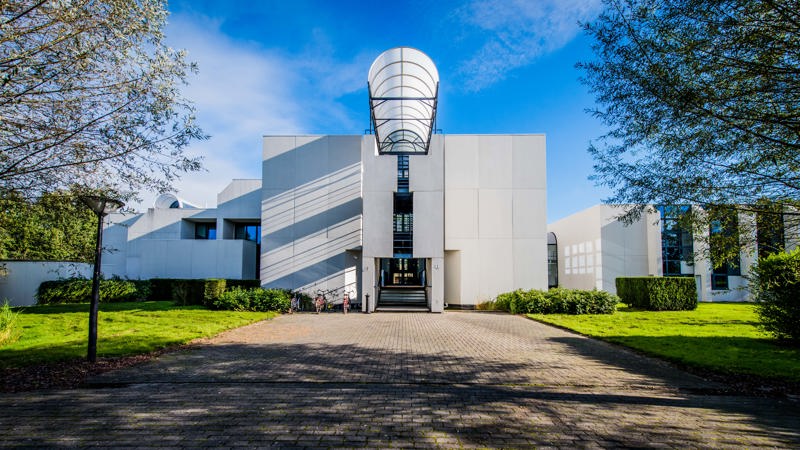
Gebouw IMO Foto1

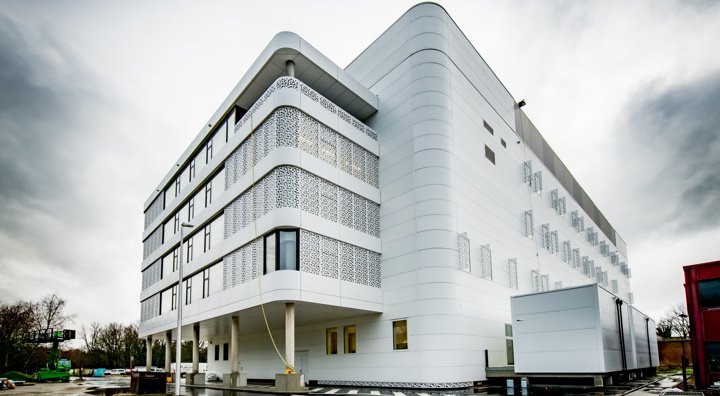
The Institute for Materials Research (IUMAT)

The Institute for Materials Research (IUMAT), based at the Hasselt University campus in Diepenbeek, has built a vast expertise in the field of materials science since its foundation in 1990. In 2001, a strategic alliance was established with imec, based in Leuven. Imec founded imomec, an associated laboratory within the premises of imo. As such, imo-imomec is a joint research institute where fundamental research, strategic basic research, and application-oriented research is conducted. In 2015, UHasselt/imo-imomec joined EnergyVille in Genk to carry out its energy-related research.

About 160 FTE's are employed at imo-imomec, of which about 80 students are preparing their Ph.D. The team is strongly multidisciplinary: chemists, physicists, and engineers are working together to develop the material systems of tomorrow. Anno 2022, imo-imomec can rely on more than 5000 m2 of state-of-the-art lab infrastructure, divided over four different locations.

The core competence of imo-imomec is the development and characterization of new material systems with potential use in sustainability and health. In the domain of sustainability, imo-imomec focuses on energy conversion, energy storage, and sustainable materials. In the domain of health, the focus of the research programs relates to the development of advanced technologies for sensing via dedicated analytical techniques and systems for sensing based on quantum technologies.

Gebouw D Mooi Weer Mei 2017 22

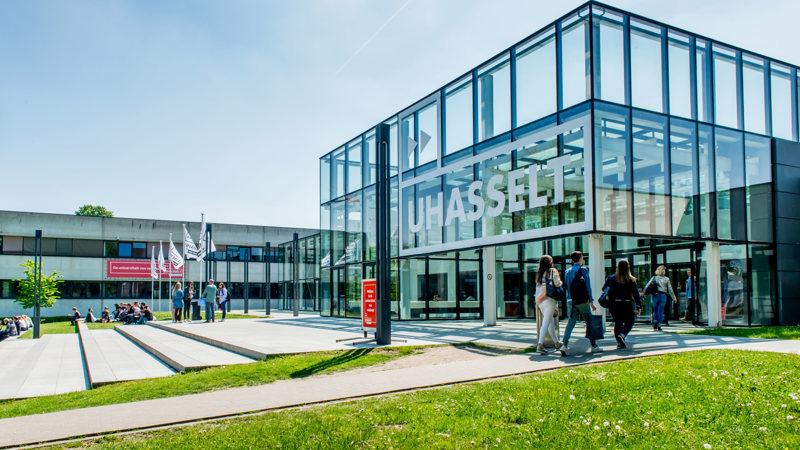
Hasselt University

Hasselt University (UHasselt; located in the northeast part of Belgium) is a young and dynamic center of expertise for teaching, research, and service provision. UHasselt regards an active contribution to a sustainable and innovative region as its social responsibility. It aspires to be a hub in this innovation web. Hasselt University, therefore, attaches great importance to cooperation with other centers of expertise, companies, government agencies, and organizations in Limburg and beyond.

As one of the drivers of regional innovation, Hasselt University focuses specifically on:

● educating students so that they become highly-skilled, employable professionals;

● conducting applied and fundamental research in specific fields and encouraging practical applications from that research;

● spreading its knowledge and expertise through collaboration with industry and other external partners;

● developing foreign partnerships.

Contact

Prof. dr. Louis Pitet

Louis Pitet 13 (1)
Location

Agoralaan Gebouw F, 3590 Diepenbeek, Belgium

Function
Assistant Professor

Materials chemistry

Wetenschapstoren 27
Location

Agoralaan Gebouw F, 3590 Diepenbeek, Belgium

Function
Research Centre