CEAD Summer School 2025: Rethinking Engineering for a Zero-Carbon Future
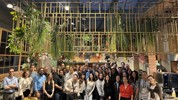
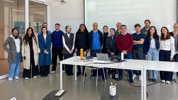
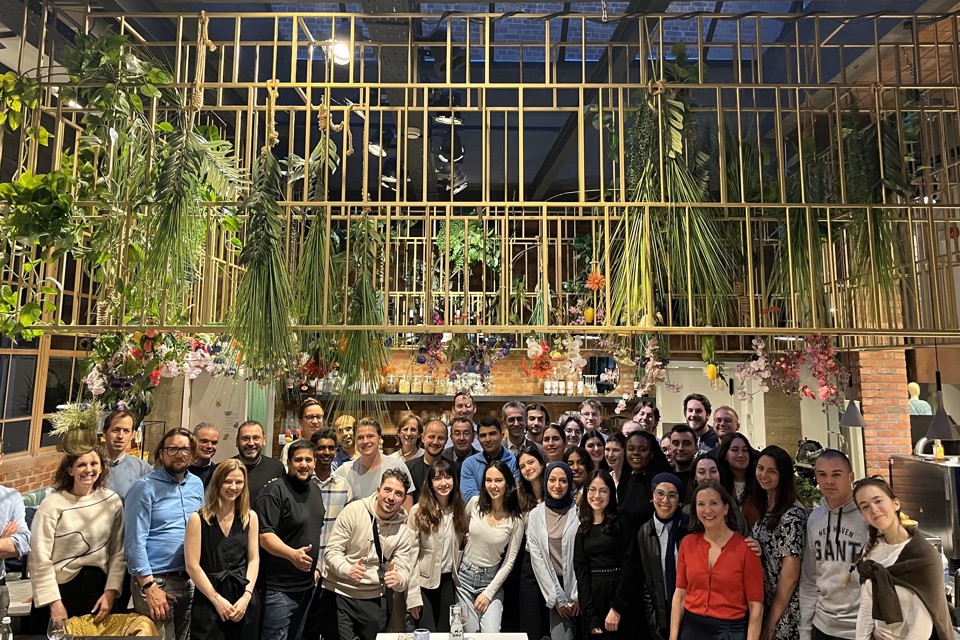
From May 4 to 9, 2025, the campus of Hasselt University in Diepenbeek transformed into a vibrant hub of international exchange and sustainable innovation as 38 students from 14 universities and 11 countries came together for the fourth edition of the CEAD Summer School, organized in the framework of the EURECA-PRO alliance.
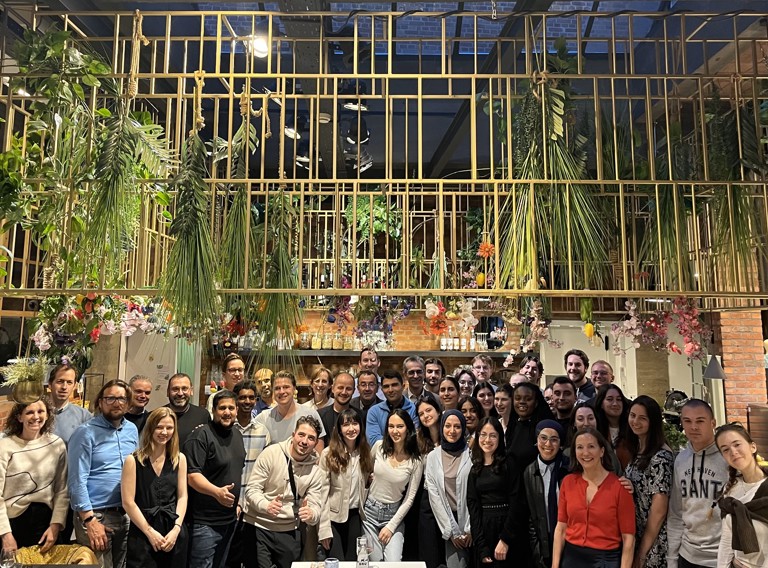
Tackling the urgent challenges of decarbonising industries
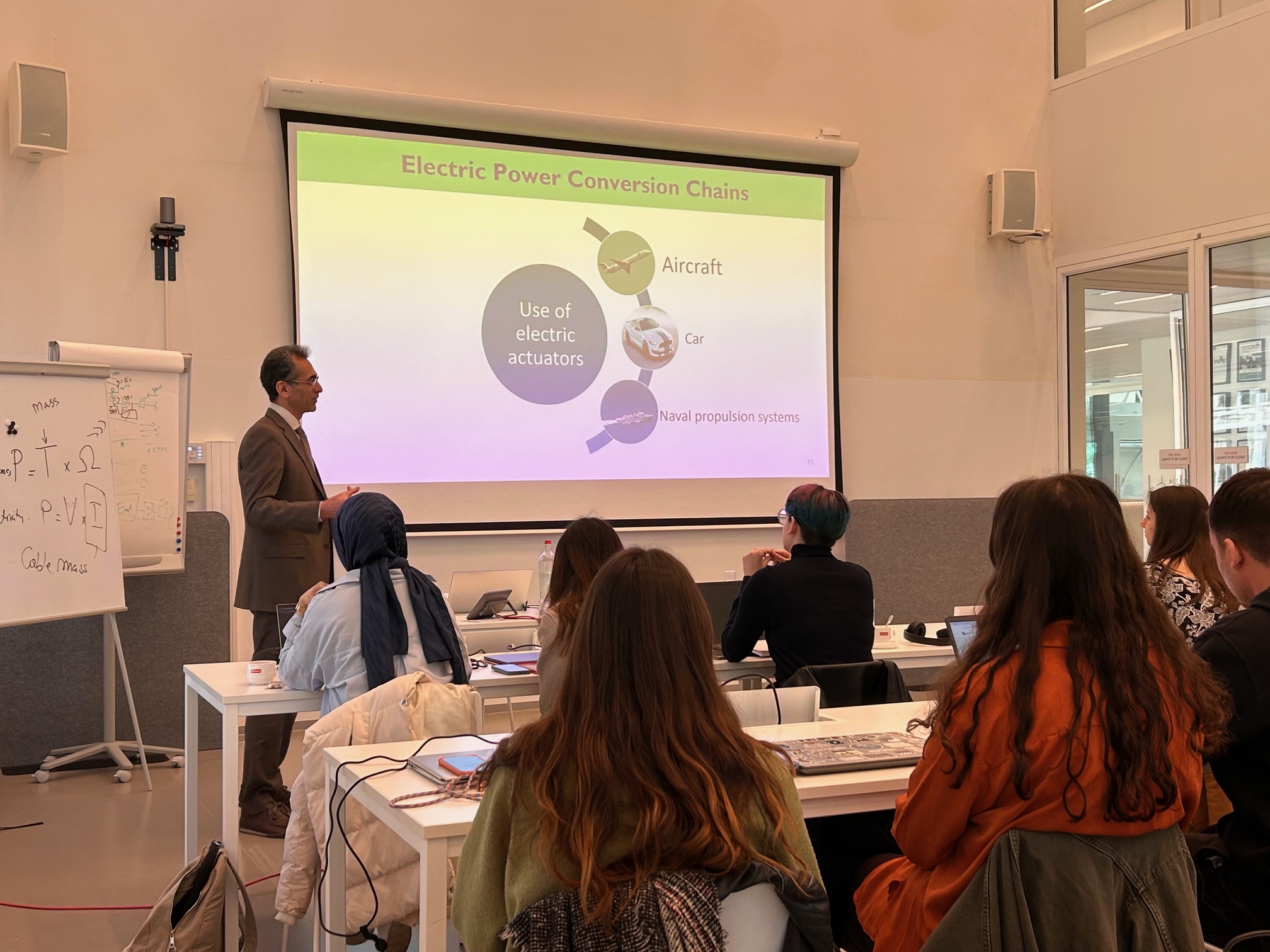
Under the theme “Zero Carbon Solutions for Hard-to-Abate Sectors”, this year’s program tackled the urgent challenges of decarbonising industries that are responsible for a significant share of global CO₂ emissions, such as aviation, shipping, heavy-duty transport, and chemical manufacturing. Through a carefully curated blend of academic workshops, hands-on learning, and real-world site visits, participants explored how engineers can play a transformative role in shaping a zero-carbon future.
Bridging disciplines: where engineering meets society
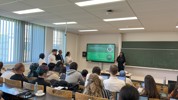
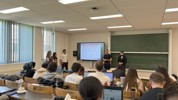
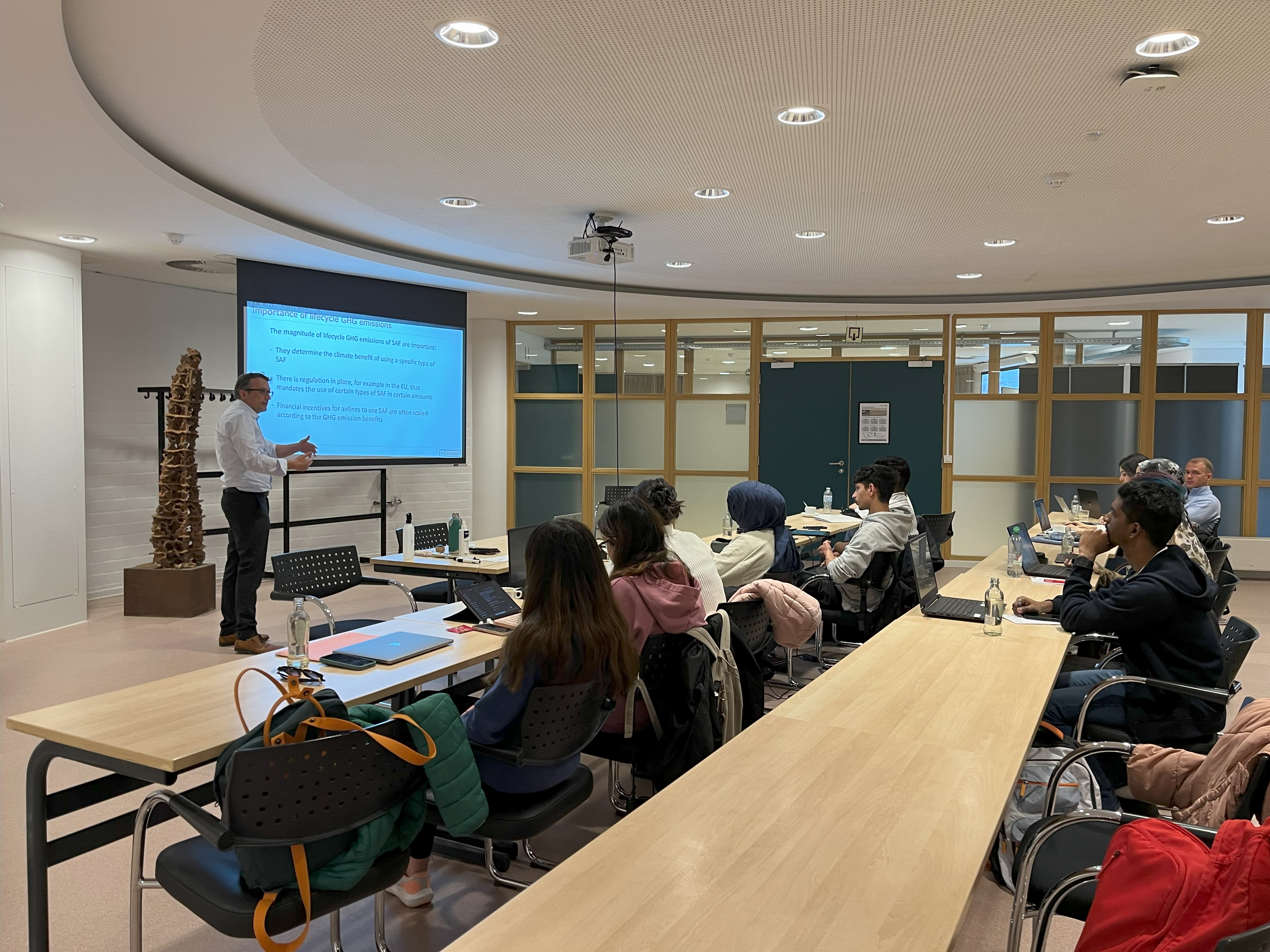
The program kicked off with two interdisciplinary workshops, offering a broader societal perspective. Prof. dr. Patrizia Zanoni delved into the social justice dimensions of energy transitions, while Prof. dr. Sonja Schreurs emphasised the need to apply the UN Sustainable Development Goals as future "transformation engineers".
Engineering and science sessions followed, with topics ranging from sustainable aviation fuels and hybrid electric propulsion to the residence time in chemical reactors, CO₂ capture and storage, and the complex puzzle of CO₂ footprints in energy systems. Professors from Hasselt University, KU Leuven, Université de Lorraine, and Silesian University of Technology shared their cutting-edge research throughout the week.
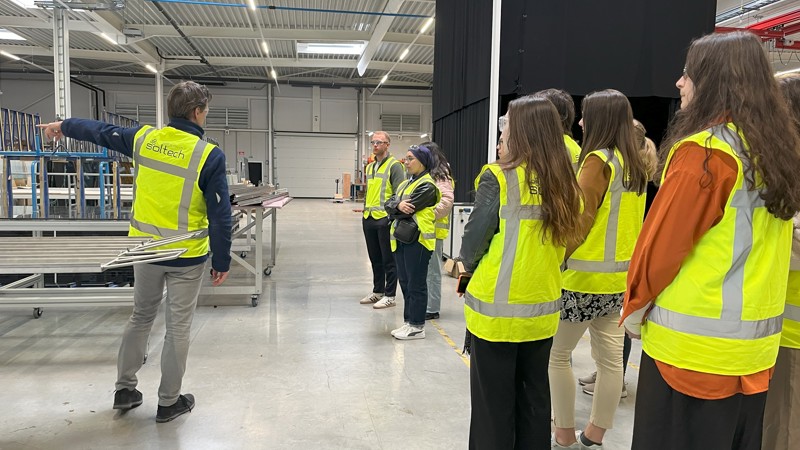
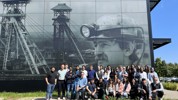
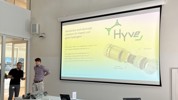
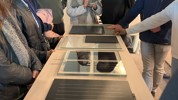
The program also included industry insights through guest contributions from Hyve among others, and inspiring company visits. Students visited Soltech and EnergyVille, where they witnessed firsthand how sustainable innovations are implemented in real-world contexts.
Community & collaboration are key
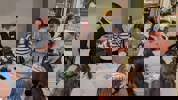
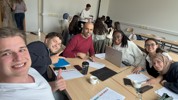
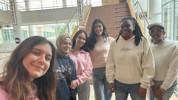
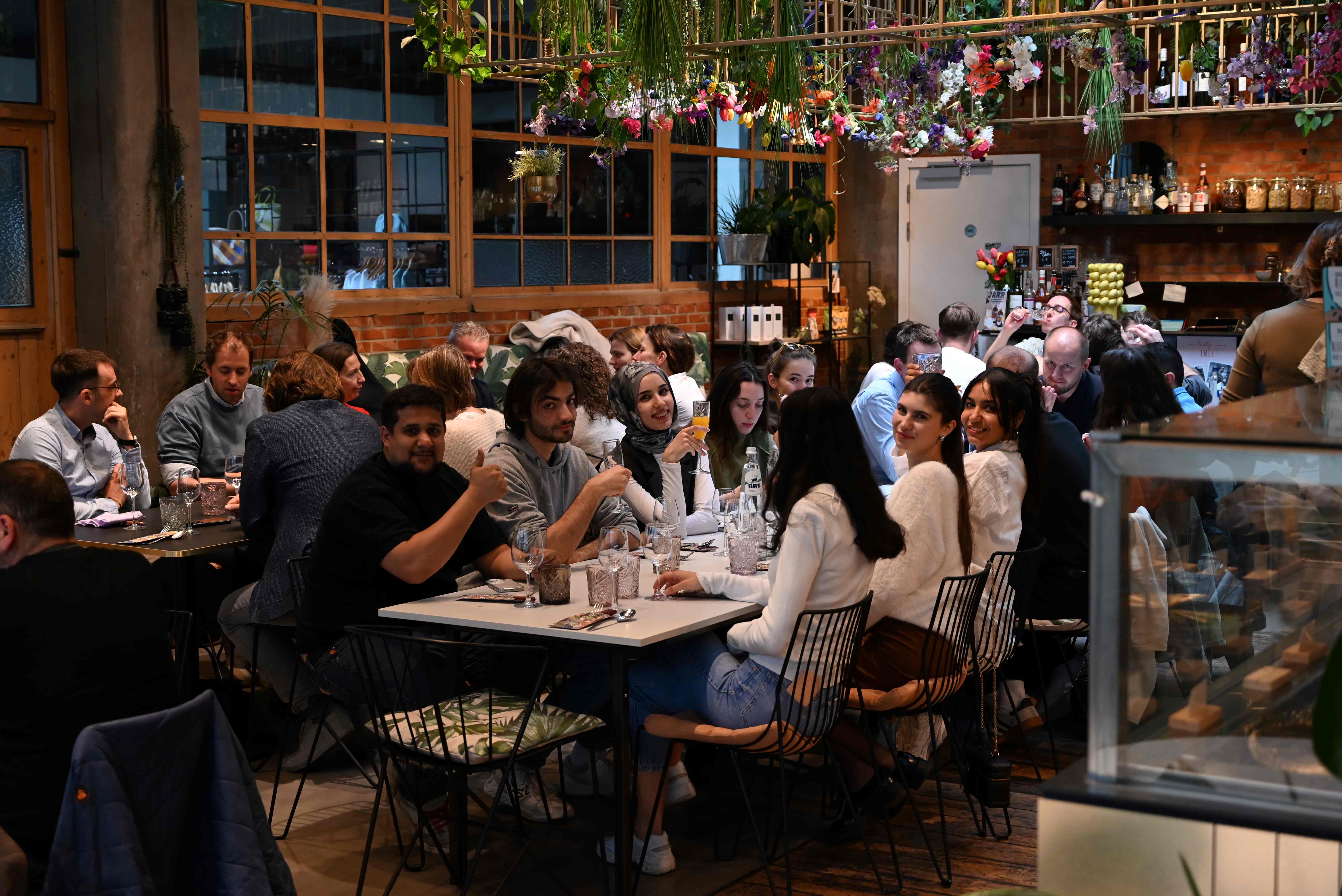
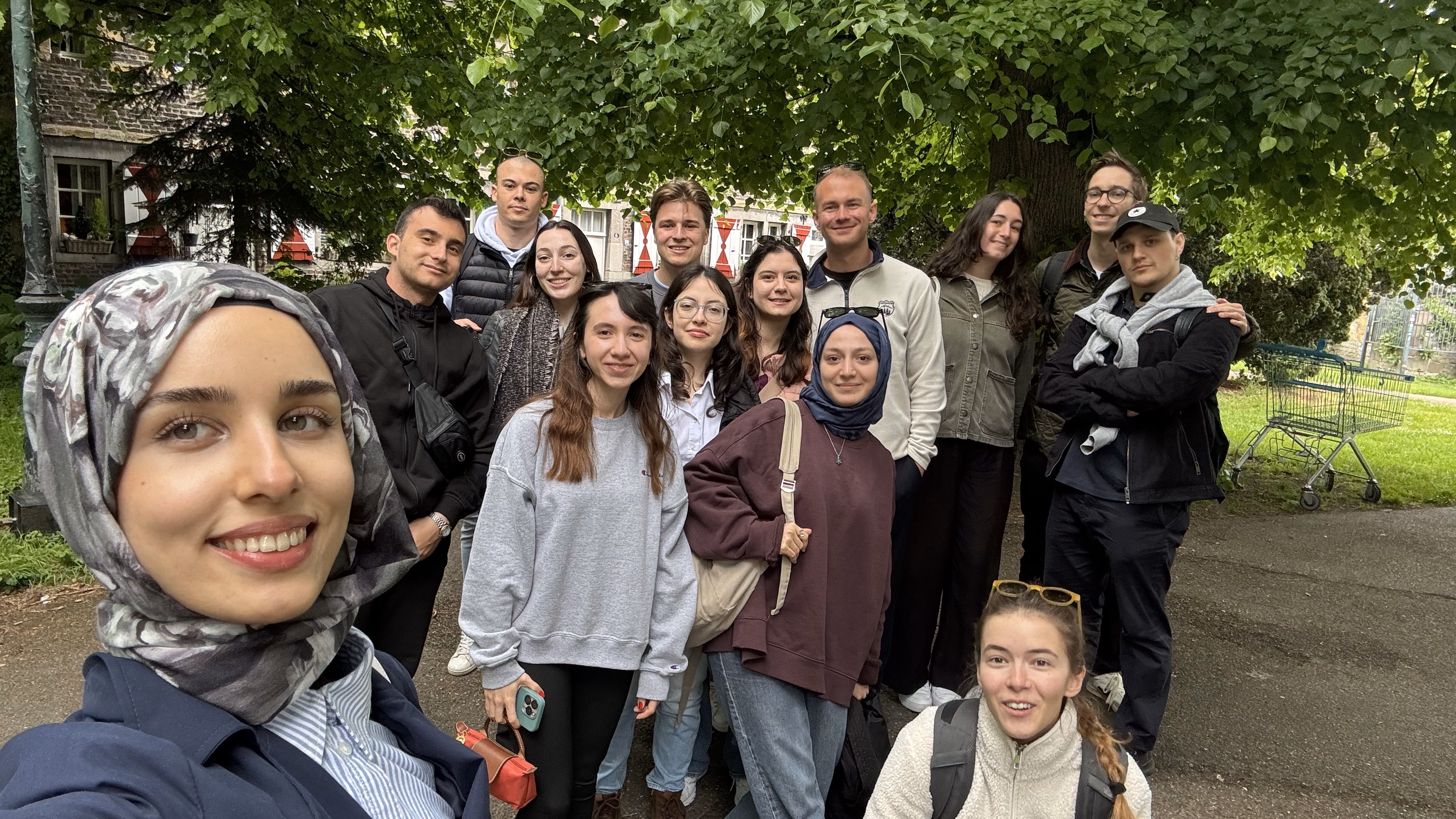
Beyond the academic content, the CEAD Summer School created a strong sense of community and collaboration. Students worked in interdisciplinary teams on group projects and engaged in discussions that transcended national and disciplinary boundaries. “What stood out most? The incredible people, the open atmosphere, and the shared commitment to making a difference,” shared Leon Fritsch, a student from Montanuniversität Leoben. “This experience reminded me why I chose to study sustainability.”
CEAD 2025 was organised as a Blended Intensive Programme (BIP) under Erasmus+, coordinated by Hasselt University in collaboration with KU Leuven and other EURECA-PRO partner universities. A virtual component followed the on-campus week, with students continuing their group work and submitting final reports by May 16. With its unique mix of engineering expertise, social awareness, and international collaboration, CEAD Summer School 2025 proved once again that circular engineering is not only about technology, but about designing inclusive, innovative solutions for a truly sustainable future.