"Hands-On Learning, Cultural Exchange, and Sustainable Innovation": Shabnam Ahadzadeh on the EURECA-PRO Doctoral Colloquium 2025
From VR mining simulations and intercultural training to a research award and new international connections: UHasselt PhD student Shabnam Ahadzadeh returned from the 19th Freiberg Colloquium of Young Researchers on Responsible Consumption and Production in the Use of the Earth's Resources with a mind full of insights and a suitcase full of inspiration. We spoke to her about what made this experience stand out and why she believes every PhD student should say “yes” to opportunities like this.
Not just another conference
“It was really different from other conferences I’ve attended. It was so hands-on!”
From the moment she arrived in Freiberg, Shabnam knew this event would be something special. Instead of merely sitting through presentations, participants took part in interactive workshops and engaging intercultural courses.
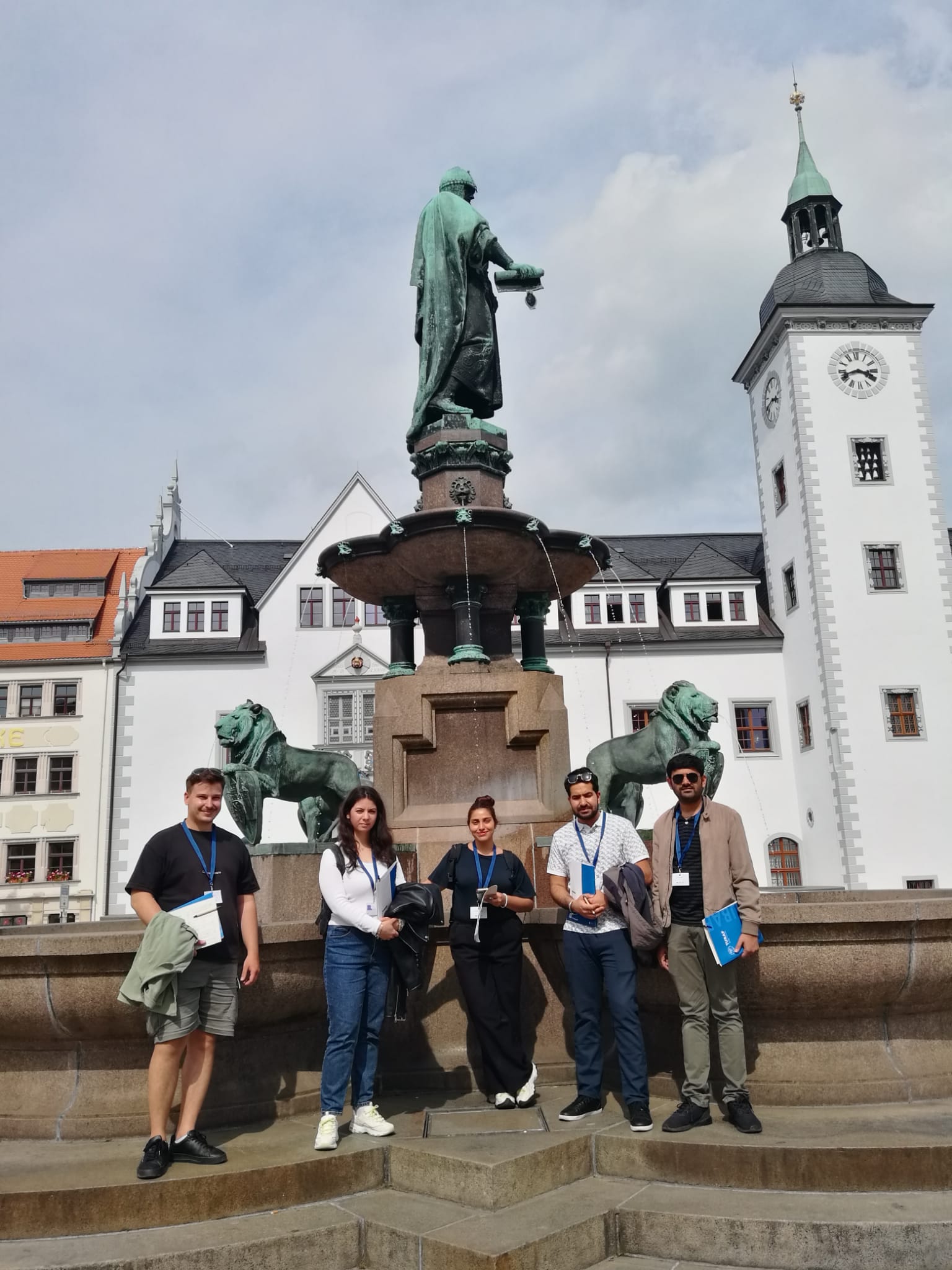
One of the most memorable elements for Shabnam was a geocaching activity through the city of Freiberg, a cleverly designed urban game in which sustainability challenges were tied to specific GPS coordinates.
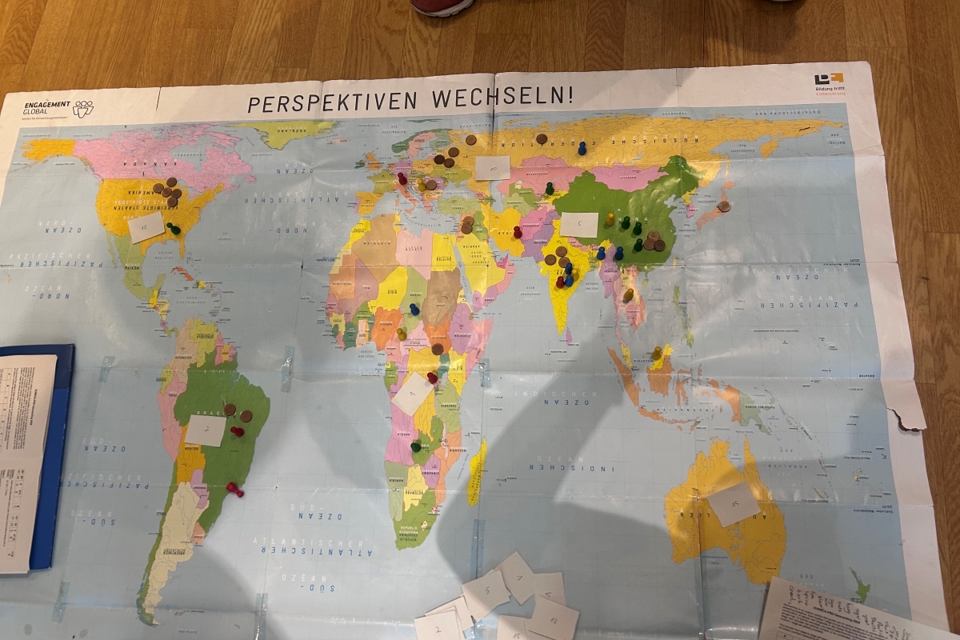
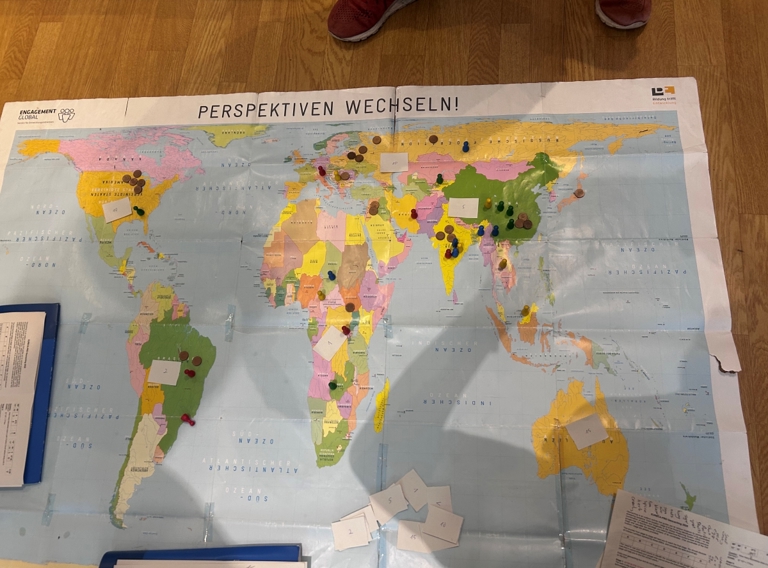
“We had to visit different locations and complete sustainability-related tasks,” she explains. “At one shop, we had to count how many products didn’t use packaging. Another task involved calculating CO₂ emissions per country using a global map. Did you know Australia has one of the highest per capita emissions? I didn’t!” These hands-on tasks made lasting impressions. “It’s knowledge I’ll remember forever because we experienced it step by step,” she adds.
When sustainability meets research
Shabnam’s own research fits perfectly with the colloquium’s theme: "Responsible Consumption and Production in the Use of the Earth’s Resources." Her PhD project at UHasselt focuses on organic light-emitting diodes (OLEDs) and their fabrication using sustainable techniques.
“We use methods like ultrasonic spray coating, which are scalable and produce almost no material waste. They're cost-effective and compatible with flexible substrates — no need for high temperatures or vacuum systems.”
She also explores greener alternatives to critical materials like lithium fluoride, replacing it with common salts like sodium chloride in some of her published work. “Every small step matters. Even avoiding solvents like toluene is part of our effort toward greener processing.”
Bridging cultures, building empathy
Another standout session for Shabnam was the intercultural communication workshop. “I learned to see that not every reaction is personal. Sometimes it’s cultural. That helped me rethink past situations and reminded me to stay open-minded.”
Using role-play scenarios, students examined cultural misunderstandings in academia — such as assumptions about student motivation based on behaviour in meetings — and reflected on how cultural norms influence communication styles.
Exploring innovation: water, waste, and 3D printing
Shabnam recalls the lab visits and company tours as both eye-opening and humbling.
“We saw how a water treatment plant operates — from removing large debris to using microorganisms for purification. Only five people ran the whole facility using renewable energy. It made me appreciate the invisible processes behind clean water.”
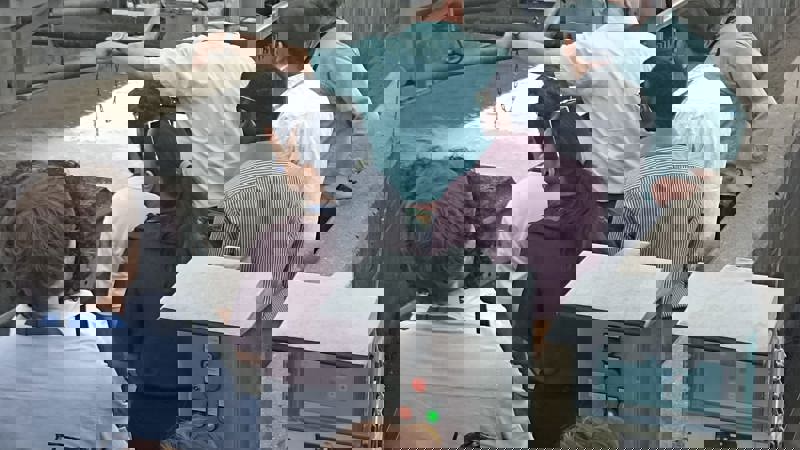
Another lab tour showcased 3D printing with recycled materials, turning industrial waste into new objects, and provided VR experiences simulating large-scale mining equipment. “It was my first time trying VR! We sat in simulator chairs and explored huge mining machines virtually. It was really immersive.”
Her own presentation… and a prize!
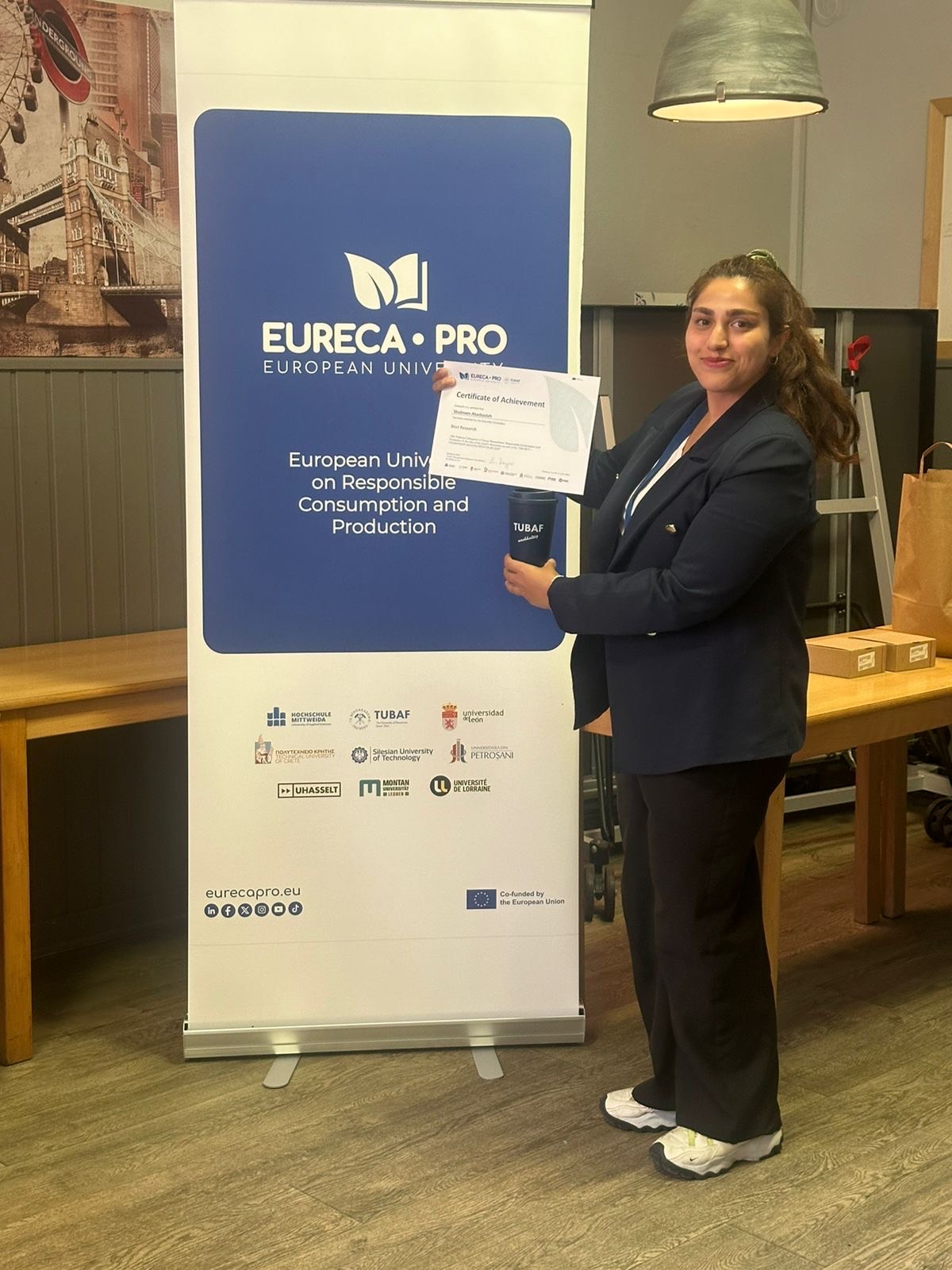
As part of the colloquium, each participant gave a presentation on their research. Despite working in a different niche than many others who mostly came from chemistry or geology, Shabnam’s talk on OLEDs for wound healing applications treatment stood out, not only for its innovation but also for its sustainable production methods. Using ultrasonic spray coating and spray-on screen printing, her techniques significantly reduce material waste, require no vacuum or high-temperature processes, and are compatible with flexible substrates.
“Even if your research doesn't directly deal with sustainability, your methods or materials might still contribute to it,” Shabnam explains. “Getting feedback from people outside your field helped me look at my work from new angles. People asked about skin safety, biocompatibility, … things I hadn’t even given further thought. That outsider perspective was valuable.”
Her work impressed not just her peers, but the jury as well: she won the Best Research Award. “I didn’t expect to win, especially with a jury coming from different universities. It was a great recognition.”
The power of networking
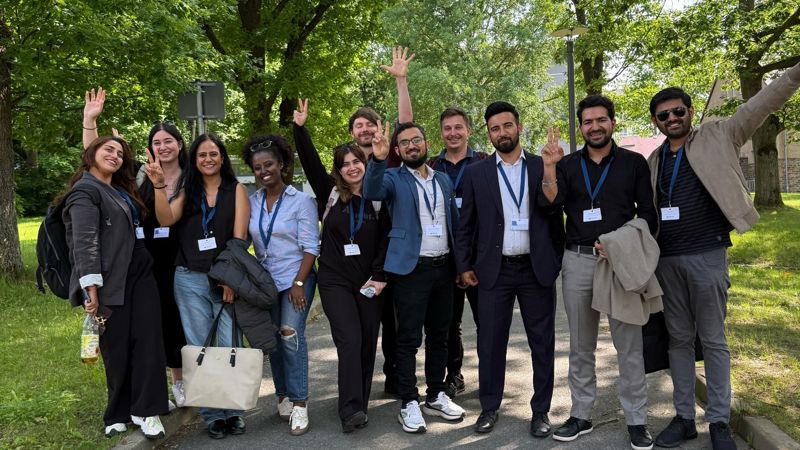
Beyond awards and workshops, the colloquium fostered valuable connections. Shabnam met researchers from India, Pakistan, Greece, Iran, Germany, and beyond. One special connection was already made on the train ride to Freiberg, where she met a fellow PhD student from Iran… with the same first name! “We clicked immediately and had a strong connection at first glance. Throughout the colloquium, it was such an added value to get to know new people: we kept learning from each other throughout the week.”
Shabnam also walked away with new connections for future collaboration, especially with researchers at Technical University of Leoben. “One of them works on polymer injection, so her knowledge on polymer and chemistry as a whole will be useful for my work. We’re already thinking about a follow-up meeting.”
UHasselt and EURECA-PRO: opening doors
Shabnam has been part of the EURECA-PRO Doctoral School for two years now. She receives regular updates and seized the opportunity to attend the colloquium after reading about it in the newsletter.
She also recently submitted a paper to an upcoming EURECA-PRO conference in Greece and credits the network for encouraging interdisciplinary thinking and cultural exchange.
A message to fellow PhD students
When asked what she would tell other UHasselt doctoral students who are unsure about participating in EURECA-PRO events, Shabnam doesn't hesitate: “Just go. Even if your topic doesn’t fit perfectly, you’ll gain so much—from new insights and collaboration opportunities to personal growth.”
And if she could host her own session next year? “I’d love to focus on the production side of sustainable materials—how to turn raw materials into real devices. That’s my world.”
A Colloquium to Remember
For Shabnam Ahadzadeh, the EURECA-PRO Doctoral Colloquium 2025 wasn’t just another academic event, it was a deep dive into practical sustainability, a cross-cultural experience, and a powerful validation of her work as a young researcher.
“If I had to describe the week in one word,” she concludes, “it would be hands-on.”