Universities as catalysts for Europe’s future: a conversation with Prof. Daniella Tilbury & Ioana Dewandeler (EURECA-PRO Research & Education Days)
At a time of profound transition, universities must step forward to help shape Europe’s future, rather than simply respond to it. That perspective set the tone for the EURECA-PRO Research & Education Days, a three-day conference dedicated to the evolving role of higher education in a rapidly changing European landscape. Under the overarching theme ‘Glocalising Universities: A Shifting Horizon’, a diverse programme of keynotes, panels, parallel sessions and site visits explored how universities can connect European ambitions with regional realities.
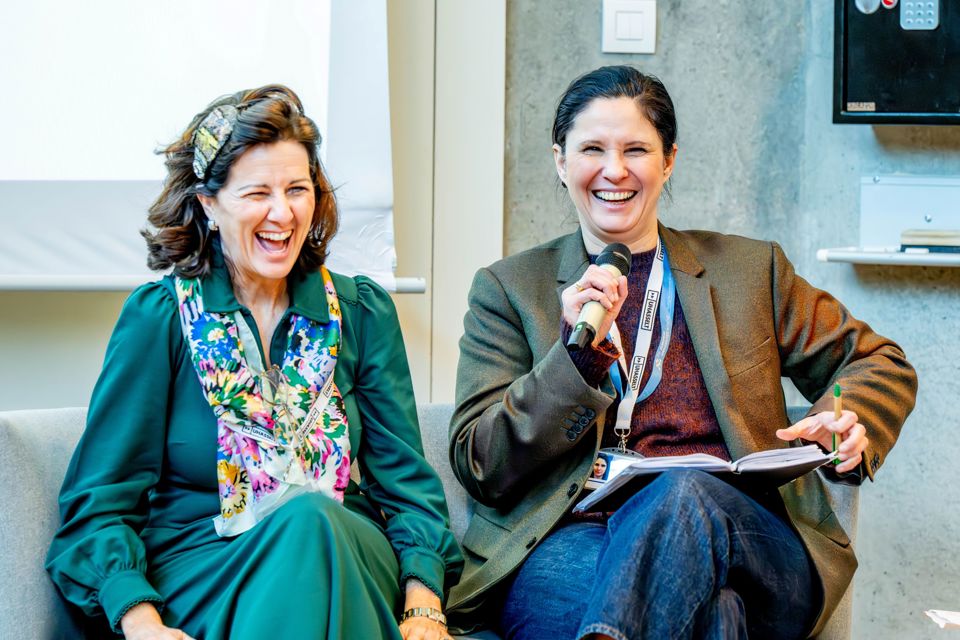
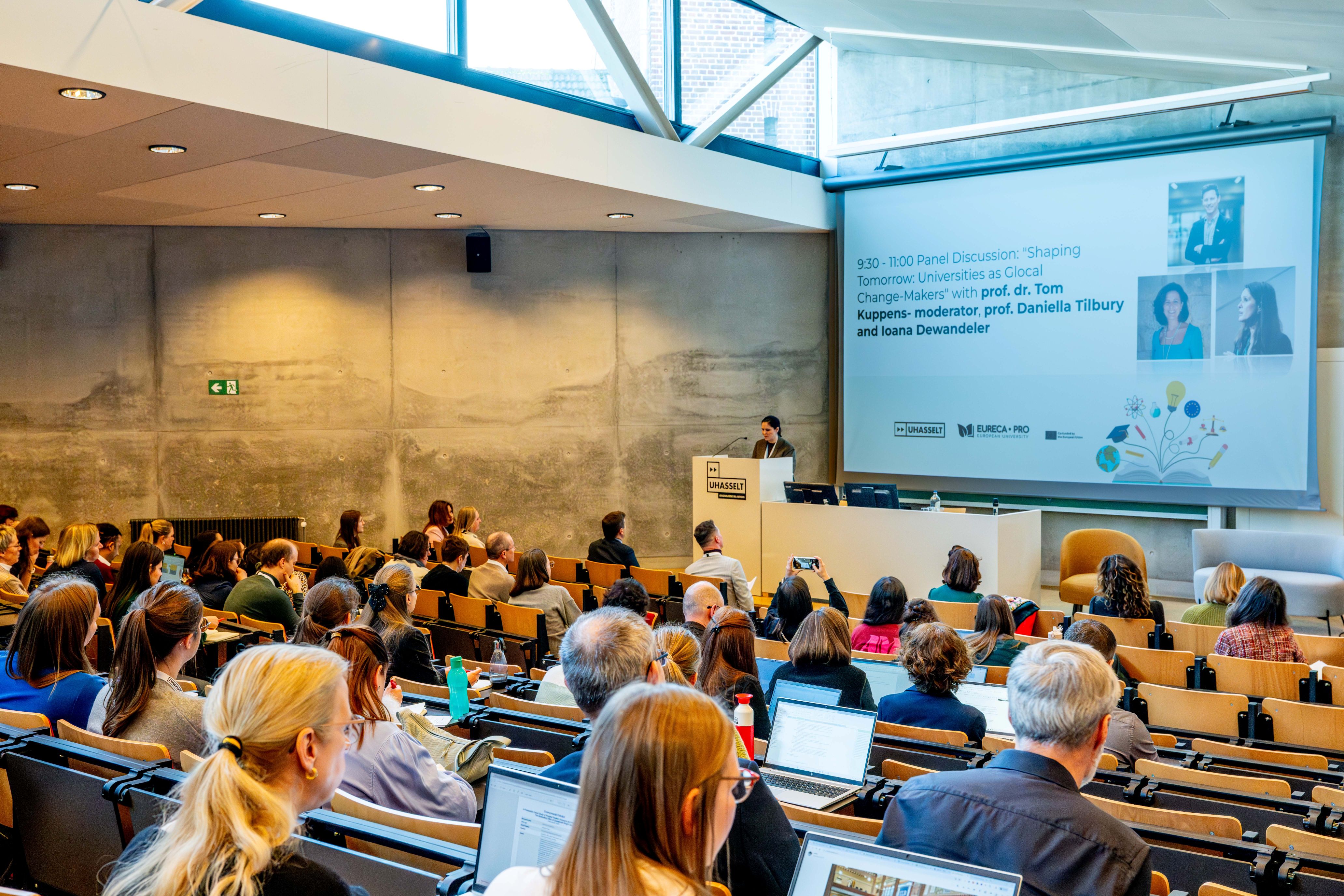
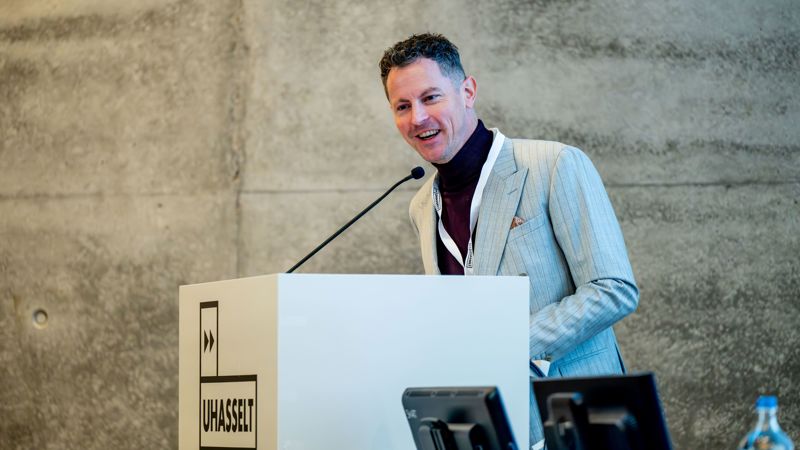
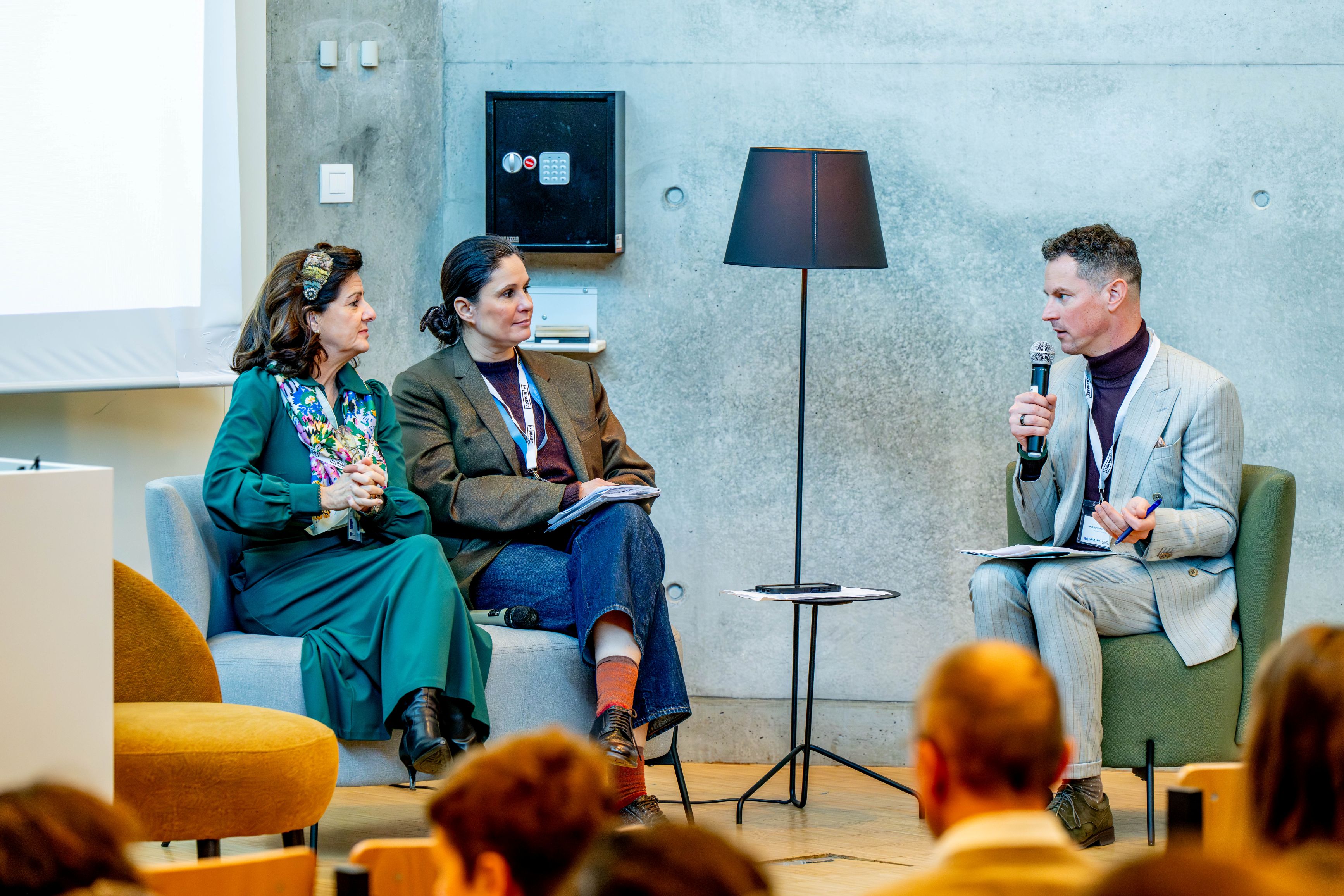
At the start of Day 2, the focus turned explicitly to this question during a keynote and panel discussion moderated by Professor Tom Kuppens (Hasselt University). The exchange explored the role universities must play in Europe’s future, touching on challenges ranging from competitiveness and skills development to sustainability and regional engagement, and highlighting how institutions can translate European priorities into concrete action.
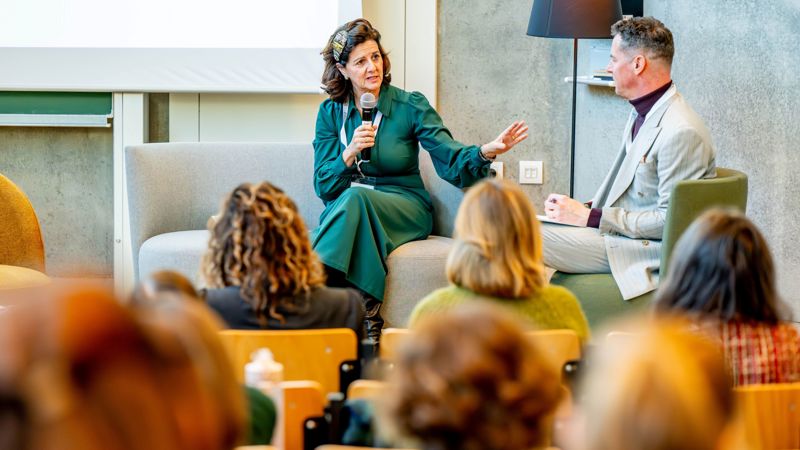
The panel brought together two leading voices in the field. Professor Daniella Tilbury is an internationally recognised sustainability expert who has helped shape sustainability frameworks in higher education since the 1990s. She was joined by Ioana Dewandeler, Policy Officer for Higher Education at the European Commission (DG EAC) and coordinator of the European Universities initiative. With extensive experience connecting European priorities to institutional strategies, both speakers offered perspectives that linked policy ambitions with everyday academic practice.
Shaping the future rather than reacting
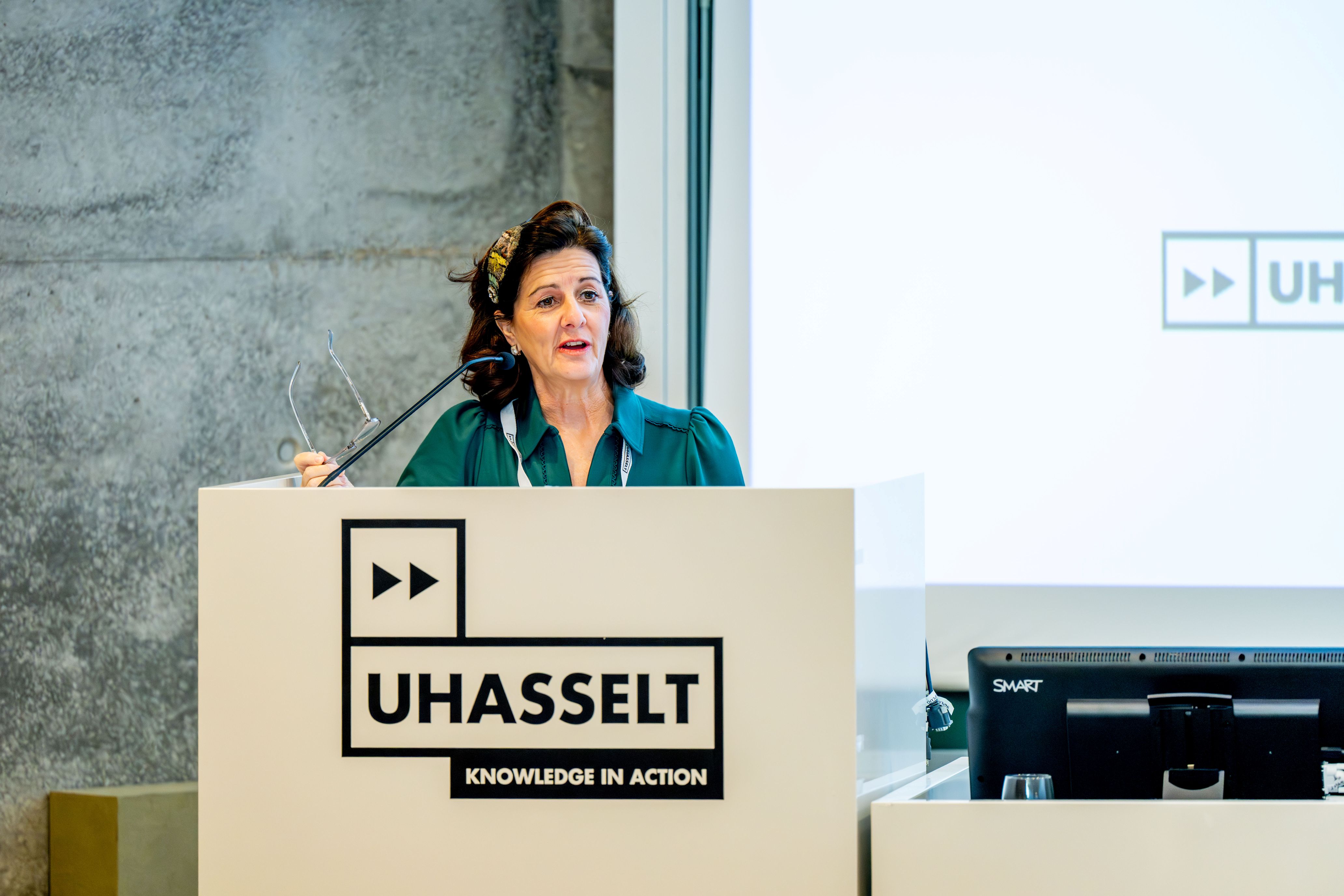
Europe is navigating a period marked by geopolitical tensions, rapid technological change and pressing sustainability goals. In this context, universities are increasingly expected to act not only as knowledge providers but as active drivers of transformation, a central message highlighted by Professor Tilbury’s keynote. Tilbury argued that universities must move beyond incremental change and rethink how education, research and institutional leadership contribute to long-term societal transitions. This requires a stronger focus on the outcomes universities deliver: graduates' capabilities, the societal relevance of research, and institutions' ability to align strategy, teaching, and partnerships around shared sustainability goals.
Ioana Dewandeler emphasised the importance of recognising regional differences when addressing sustainability challenges, noting that priorities vary widely across Europe: from energy systems and water management to urban development and circular economies. According to Dewandeler, universities can contribute through three interconnected pathways:
-
Updating professional skills: "Engineers who graduated ten years ago may need to update their knowledge on AI or sustainability. Continuous adaptation is essential."
-
Engaging civil society: "Civil society engagement is about changing mindsets and behaviours. When automotive engineers, urban planners, and sociologists collaborate, they shock each other into new perspectives; and that’s exactly where transformation begins."
-
Collaborating with research and industry: "Universities need to ensure that industries adopt innovative solutions developed in research, and help deploy these innovations to the market."
"Embedding sustainability across institutions and curricula ensures it is not just a topic but a core part of education, research, and policy alignment," Dewandeler added. Rather than positioning sustainability as a separate theme, the discussion framed it as a structural element that connects education, research and societal engagement.
Defining graduate attributes: from policy to impact
Throughout the morning, the focus repeatedly returned to students and graduates. In her keynote, Professor Daniella Tilbury emphasised that the true measure of a university’s role lies in the capabilities and perspectives of its graduates. She argued that alliances should define clear graduate attributes, ensuring that students leave university equipped with the skills, knowledge and ethical frameworks needed to address complex global challenges. “We need to know what students are capable of when they graduate, and how their experience equips them to face the world outside universities,” Tilbury said.
Starting from the student experience as the endpoint allows institutions to align curricula, policies and research priorities more coherently. “It’s about taking the ambition of policies and turning them into tangible skills, experiences, and capacities for our students,” she added. By linking long-term policy goals to concrete learning outcomes, universities can move from strategic vision to everyday practice.
Transdisciplinary education and T-shaped curricula
Building on this focus on graduate capabilities, the discussion also highlighted the importance of T-shaped education: combining deep disciplinary expertise with broad interdisciplinary understanding. Within European alliances, mobility programmes and joint curricula create opportunities to design learning experiences that cross traditional academic boundaries.
Tilbury reflected on her own academic journey, in which an early exposure to politics, philosophy, sociology, mathematics, and geography provided the foundation for later specialisation. That broad base, she suggested, enabled her to connect perspectives and navigate complexity, a skill set that is increasingly essential for today’s graduates.
Dewandeler noted that alliances are particularly well-positioned to design integrated curricula that bring engineering together with ethics, sustainability, AI, and the social sciences. By bringing diverse disciplines together, universities can better prepare students for an evolving labour market while supporting critical thinking across domains.
Institutional transformation and professional development
Beyond curricula, both speakers stressed that transformation must be anchored at the institutional level. Professor Tilbury highlighted the importance of a whole-institution approach, ensuring that sustainability and global citizenship are reflected not only in teaching, but also in research priorities and organisational culture. Yet embedding such approaches consistently remains an ongoing challenge for many institutions.
Tilbury also stressed the importance of professional development for educators: "It’s crucial that newcomers in teaching get the support to understand their role, and that experienced staff continuously refresh their knowledge and approaches." She referenced existing models, such as “principal educator of young educators” programmes, that provide scaffolding, certification, and reflective practice to prepare staff for transformative teaching.
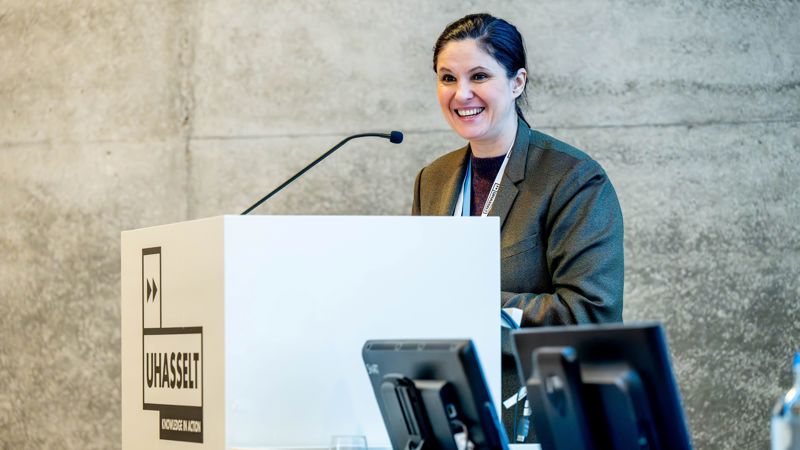
Dewandeler highlighted that alliances benefit from sustainable funding and collaborative institutional design: "The power of alliances lies in institutional collaboration. By pooling resources and expertise, you can design programmes that are student-centred, transdisciplinary, and contextually relevant." When collaboration becomes embedded across governance and operations, innovation can scale beyond individual projects.
Diversity and regional relevance
The conversation also addressed the specific challenges faced by smaller universities and institutions located in non-metropolitan or post-industrial regions. Rather than viewing diversity as a limitation, Dewandeler framed it as a strength within European alliances. "Diversity is central to EURECA-PRO’s success. Alliances can be inclusive, bottom-up, and regionally relevant without requiring uniformity in size or resources." By building on the distinct strengths of each partner university, these partnerships can tailor initiatives to local contexts, ranging from post-industrial transition to regional skills development, while still contributing to broader European priorities.
EURECA-PRO exemplifies this approach by bringing together universities from non-metropolitan regions to address Responsible Consumption and Production (SDG 12). Through collaboration that integrates education, research and regional engagement, the alliance demonstrates how local initiatives can generate broader societal impact. "This is not symbolic collaboration," Dewandeler added, "but a way to reflect on how education, research, and institutional cooperation evolve over time."

Beyond trend-driven initiatives
While emerging themes such as AI and inclusion remain essential, Tilbury cautioned against letting short-term trends determine long-term strategy. For alliances, the challenge lies in defining what success should look like five or ten years from now, and ensuring that initiatives consistently align with that vision. Within EURECA-PRO, this long-term focus reinforces the link between education, research and regional engagement around Responsible Consumption and Production (SDG 12). For Hasselt University, it also translates into the ambition to weave internationalisation into the university’s future-oriented vision, ensuring that teaching, research and partnerships grow through global collaboration instead of remaining a parallel track.
Dewandeler emphasised that long-term collaboration requires structural continuity, so that successful innovations are not isolated experiments but are mainstreamed across curricula, research programmes and governance structures. An embedded approach ensures that the benefits of transdisciplinary education, sustainability initiatives, and regional engagement are sustained over time and can scale across alliance partners, instead of remaining symbolic or temporary projects.
Key takeaways for EURECA-PRO
For EURECA-PRO, the keynote and panel discussion reaffirmed the distinctive role of alliances within Europe’s higher education landscape. By linking education, research and societal engagement, alliances can, and should, catalyse systemic change. Such collaborations create space for transdisciplinary programmes and mobility opportunities that individual institutions might struggle to realise on their own. Most importantly, they enable long-term institutional transformation, embedding sustainability, global citizenship and responsible innovation into the fabric of university culture.
The conversation underscored that this transformative role is not automatic. It requires intentional strategy, long-term commitment, and the courage to rethink institutional habits.
"Investing in people, collaboration, and contextually relevant education is how alliances like EURECA-PRO can make a real difference," Dewandeler added.