Stretchable sensors measure pear growth on trees
Researchers from UHasselt and the Proefcentrum Fruitteelt vzw (pcfruit) have succeeded in developing stretchable sensors that can continuously monitor pear growth directly on the tree. This season, the system was tested in a Conference orchard belonging to pcfruit in Sint-Truiden, from newly set fruitlets through to the harvest, which has just concluded. In addition to measuring fruit growth rate, the sensors may eventually yield valuable information to determine whether pear trees require thinning. Thanks to this knowledge, fruit growers can better monitor fruit size per plot and potentially adjust conditions via irrigation before harvest—a significant added value given the increasing frequency and severity of drought periods.
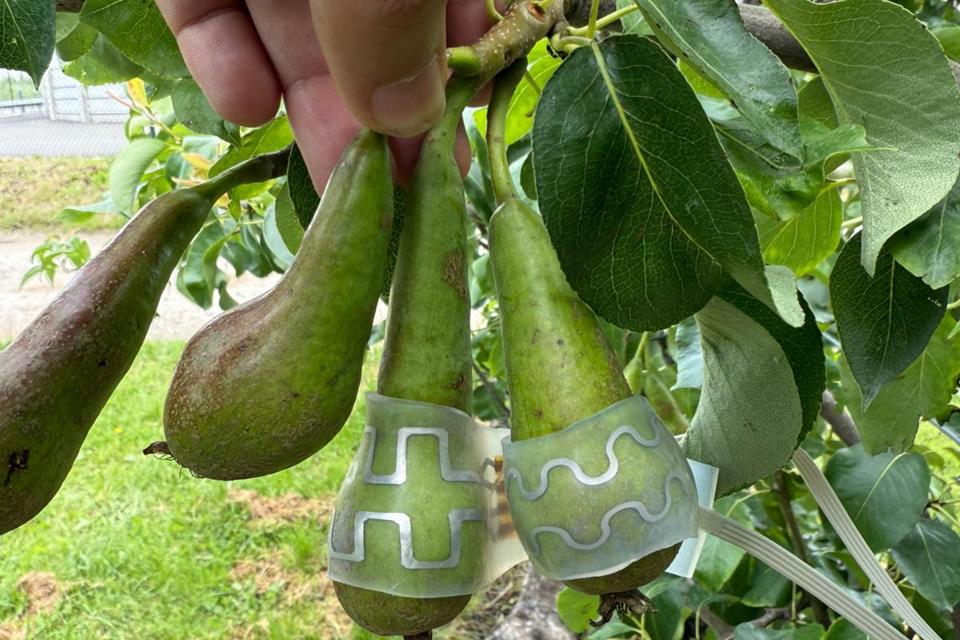
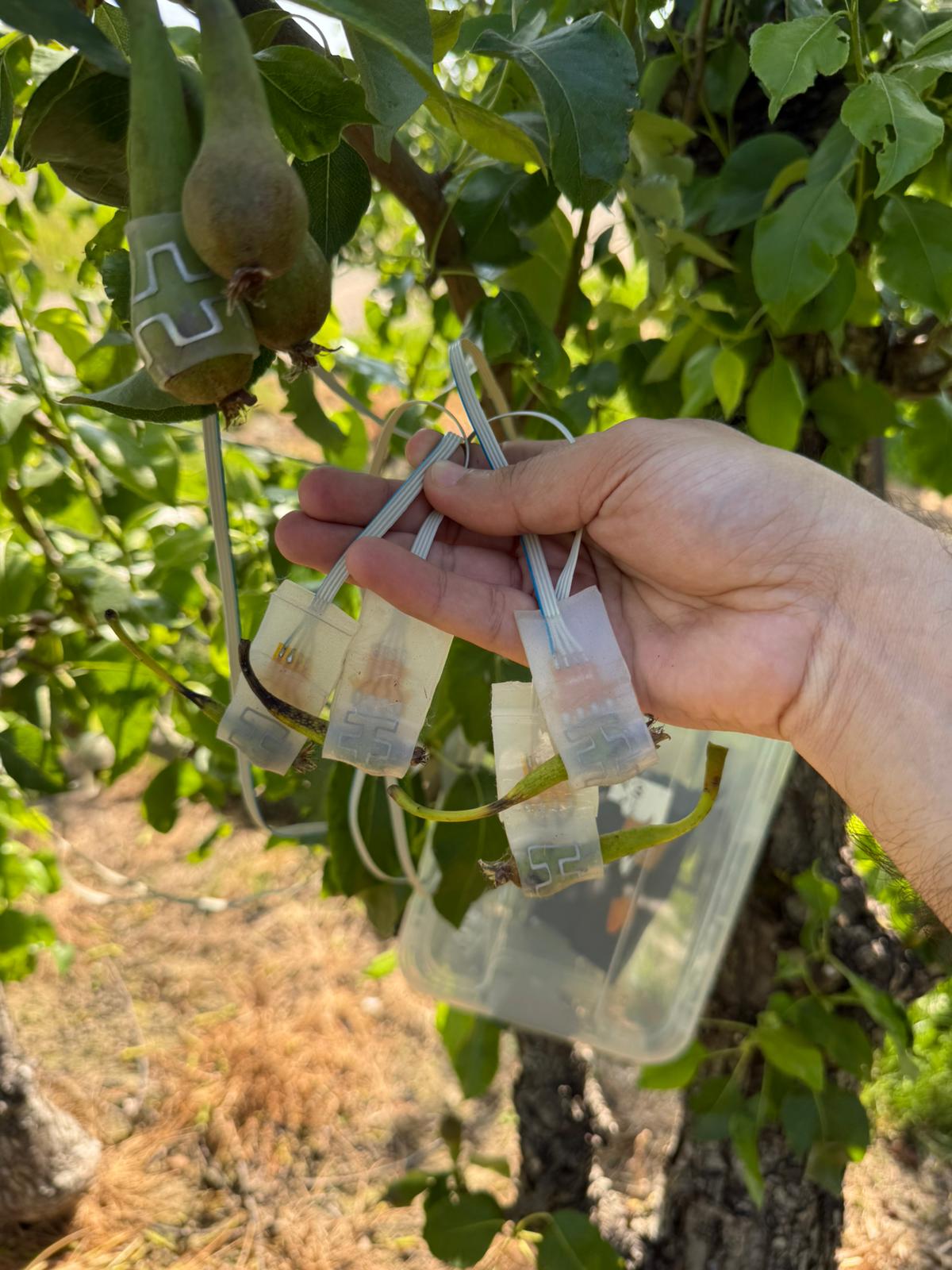
The sensors are based on the liquid metal Galinstan, an alloy of gallium, indium, and tin. A conductive track of Galinstan is embedded into a highly stretchable silicone material. As the pear grows, the sensor stretches alongside it, altering its electrical resistance. In this way, changes in fruit diameter are monitored electronically. The technology was recently published in the scientific journal Advanced Materials Technologies.
“A growing fruit places very different demands on electronics than a classic application,” says Asad Ullah, researcher at IUMAT, the Institute for Materials Research at UHasselt and imec. “The sensor needs to be capable of high stretchability, function outdoors for weeks, and simultaneously minimize any impact on the natural growth of the fruit. This season, together with pcfruit, we tested the sensors in the field and were able to track diameter changes with high precision.”
Photo 1: Stretchable sensors attached to the pears
A forecast for fruit growth
Alongside the sensor, the researchers developed a fully wireless readout system that enables field data to be transmitted automatically to a database. This creates a growth time series for every monitored fruit.
“The sensor around the pear is only one component of the system,” says Thijs Vandenryt, researcher at IUMAT. “Thanks to the electronics and software, we can track daily changes in diameter. You could compare it to a rain radar for fruit growth: not only do we see how large a pear is today, but more importantly how growth evolves and when it accelerates or slows down.”
For pcfruit, this represents significant potential value. “Fruit growth is currently measured at specific isolated points in time,” says Serge Remy of pcfruit’s Plant Research & Management department, co-project leader of the study. “With these sensors, we receive far more information about growth dynamics. For young fruit, this could help better inform fruit thinning, though this requires several more years of additional research. Later in the season, we want to investigate whether growth patterns yield useful data to predict fruit size at harvest, allowing growers to intervene with extra irrigation before harvest to achieve larger pears.”
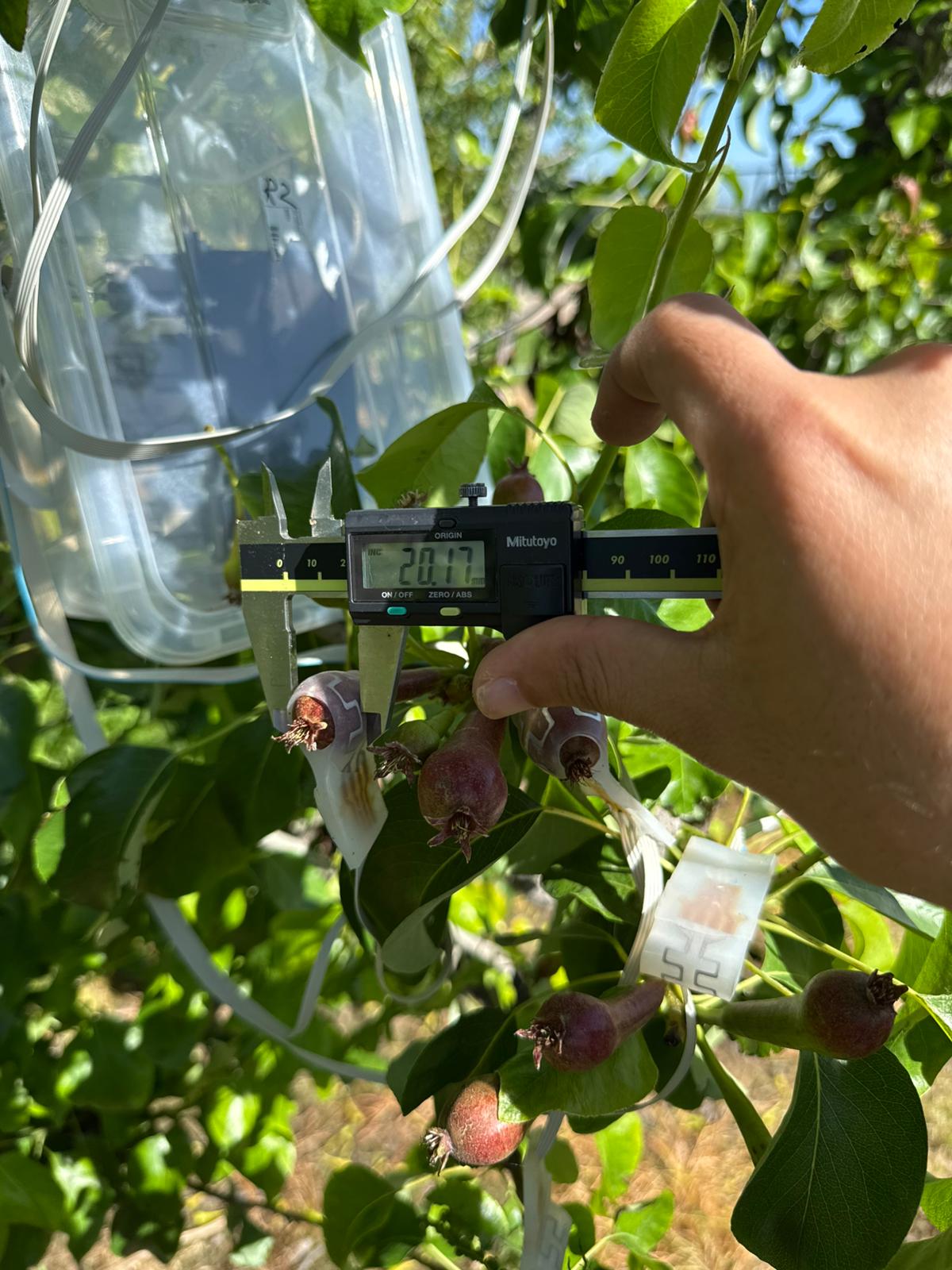
Photo 2: Measuring fruit size on young pears
From measuring to predicting
For UHasselt, the project fits into broader research on stretchable and printed electronics based on liquid metals. “Scientifically, this is a very interesting application because we literally have to let electronics grow alongside a biological system,” says co-project leader Professor Wim Deferme of IUMAT. “We are researching how to reliably integrate liquid metals into stretchable materials and how such sensors can function outdoors for months. The next step is determining how many fruits we need to measure to draw conclusions about an entire tree or plot.”
A key advantage of these sensors compared to camera- and drone-based technologies is their high measurement accuracy. The sensors can identify and track individual fruits, detecting changes with an accuracy of less than one millimeter. Furthermore, they are easy to install and require no further calibration or adjustment afterward. The goal is to eventually combine growth data with other parameters, such as temperature, rainfall, soil moisture, irrigation, and cultivation practices.
“With all this information, we hope to understand precisely what happens during the growth process so that we can ultimately predict it better,” says Professor Deferme. “That is where this technology can become truly valuable for precision agriculture.”
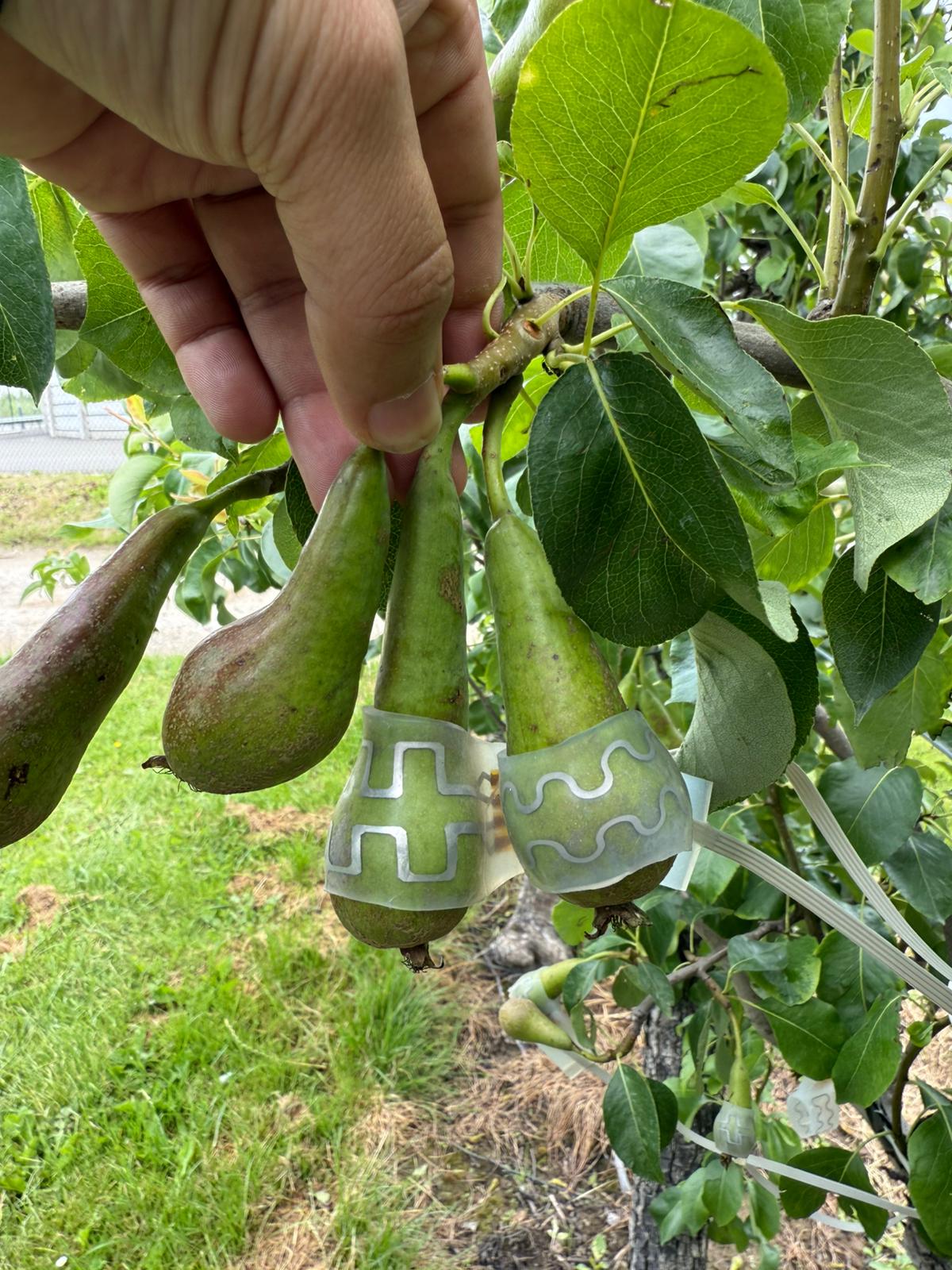
Photo 3: Sensors for electronic data analysis
A new research phase
With the pears harvested, a new research phase begins. A total of 60 fruits were selected for further analysis: 28 fruits that wore a sensor during growth and 32 control fruits. At pcfruit, metrics such as firmness, sugar content, and weight are being compared alongside growth. Additionally, UHasselt is conducting further tests to examine whether wearing the sensor long-term has any other effects on the fruit.
“A sensor is only genuinely relevant for practical use when it not only measures reliably, but also leaves the fruit itself unaffected,” concludes Serge Remy, “and that is precisely what we aim to demonstrate moving forward.”
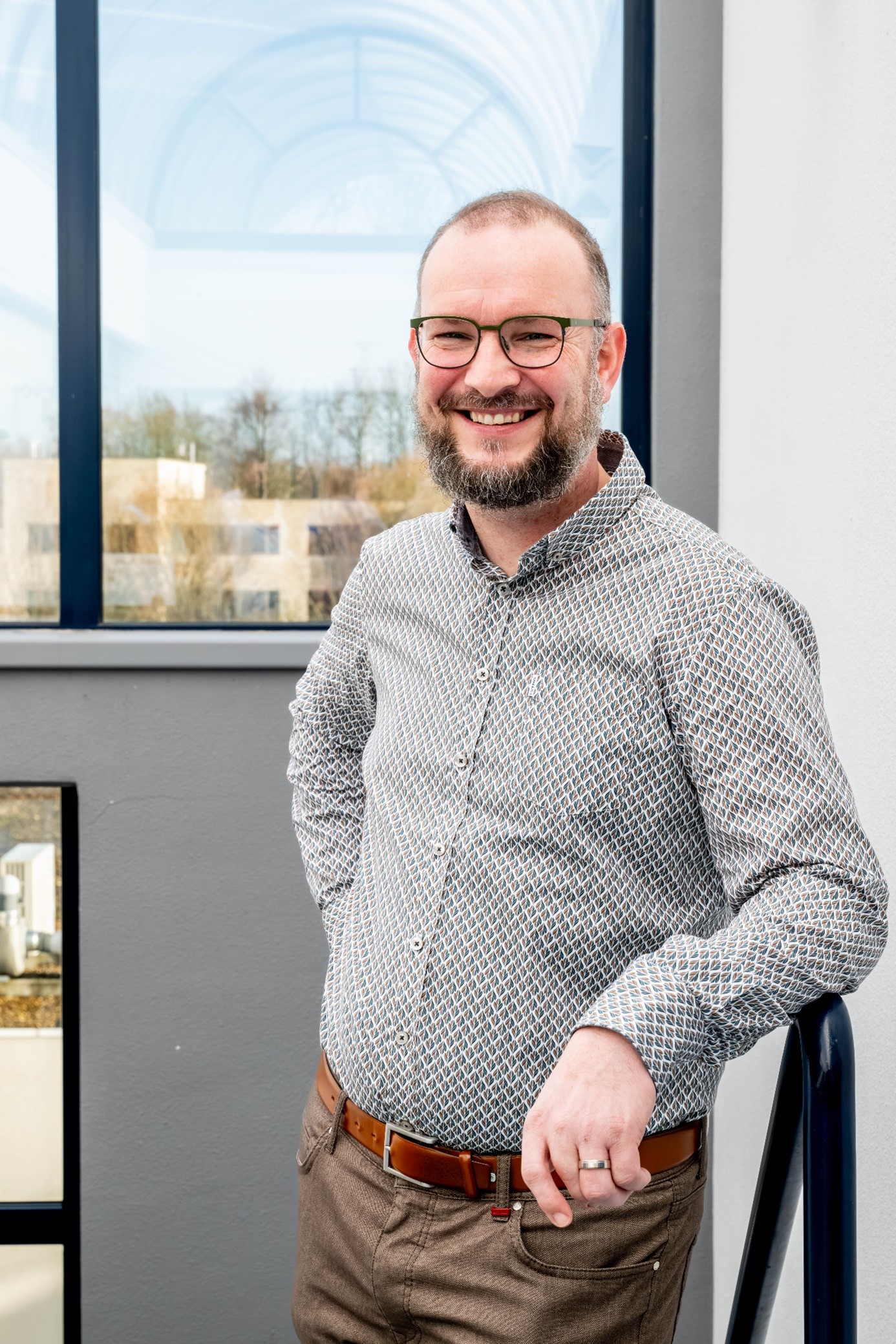
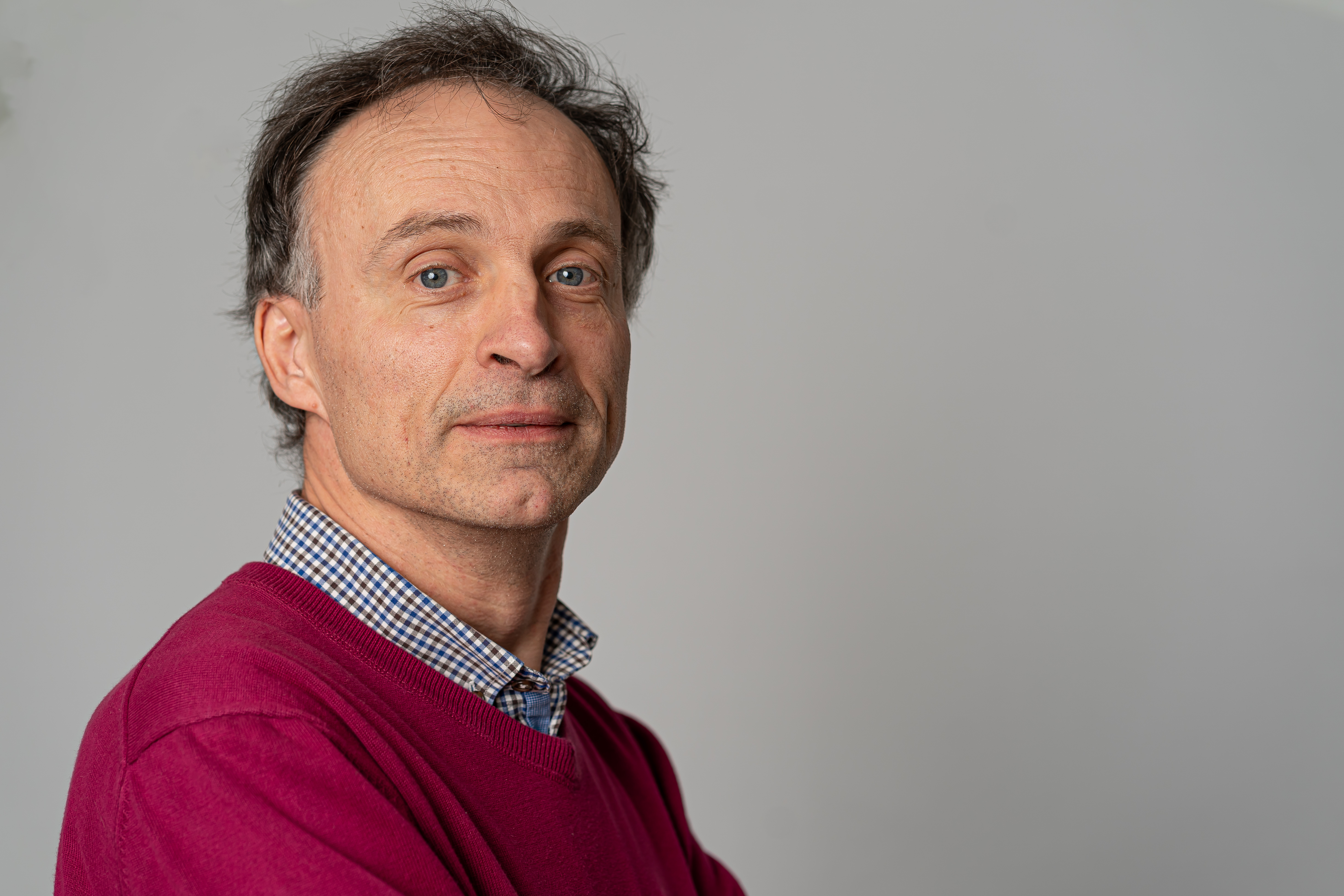
Photo: prof. dr. ir. Wim Deferme & Serge Remy