Some things aren’t written into the project proposal... Like friendship
When you work in international academic projects, you expect to build capacity, transfer knowledge, maybe even spark some change. What you don’t expect is to build lifelong friendships. But in Kindu and in Lubumbashi, in the heart of DR Congo, in the middle of the heat, the hurdles, and the hope, you do. Over the years, colleagues became companions, and collaborators became like family.
Because sometimes, the most lasting impact of a project isn’t what you teach, which project you coordinate but it’s who you walk the journey with.
When I first joined the VLIR-UOS projects in DR Congo, I expected many challenges, logistical issues, limited infrastructure, too many students, not enough assistants. What I didn’t expect was how deeply I would connect with the people I’d meet along the way.
Over the years, projects brought me back to Kindu and Lubumbashi again and again. Each time, I arrive with new slides, new plans, new ideas. But the real story is not in the PowerPoints, in the meetings we have. It’s in the faces that greet me at the airport. In the conversations over late dinners when the power cuts out. In the shared laughter when things don’t go as planned. In the WhatsApp messages that keep going long after the lectures are over.
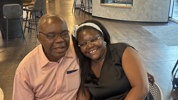
One of the most inspiring parts of this journey has been the deep friendships built with local colleagues who are not only passionate professionals but extraordinary human beings.
Friendship in these challenging settings looks different. It’s forged not over dinner parties or weekend getaways but in the heat of crowded classrooms, during unexpected power cuts, through logistical nightmares and shared determination. It’s built in resilience. Cemented in purpose. Carried by mutual respect.
It’s what makes the hard days bearable, and the good days unforgettable.
And it’s what turns a “project” into something far more human.
People often talk about the outcomes of academic collaborations: training, infrastructure, joint publications. But there’s another kind of impact, one you don’t always see in the final report. It’s the friendships that form across borders, languages, and systems. Friendships that grow stronger with each year, each challenge, each visit.
So when people ask me why I keep going back to Kindu or Lubumbashi, the answer is simple. Because of the people. Because of the shared mission. Because of the laughter that rises even in the toughest moments. Because of the friends who’ve become like family.
Projects end. Budgets close. But these friendships? They will stay.