Speakers Lipids in Brain Diseases Symposium
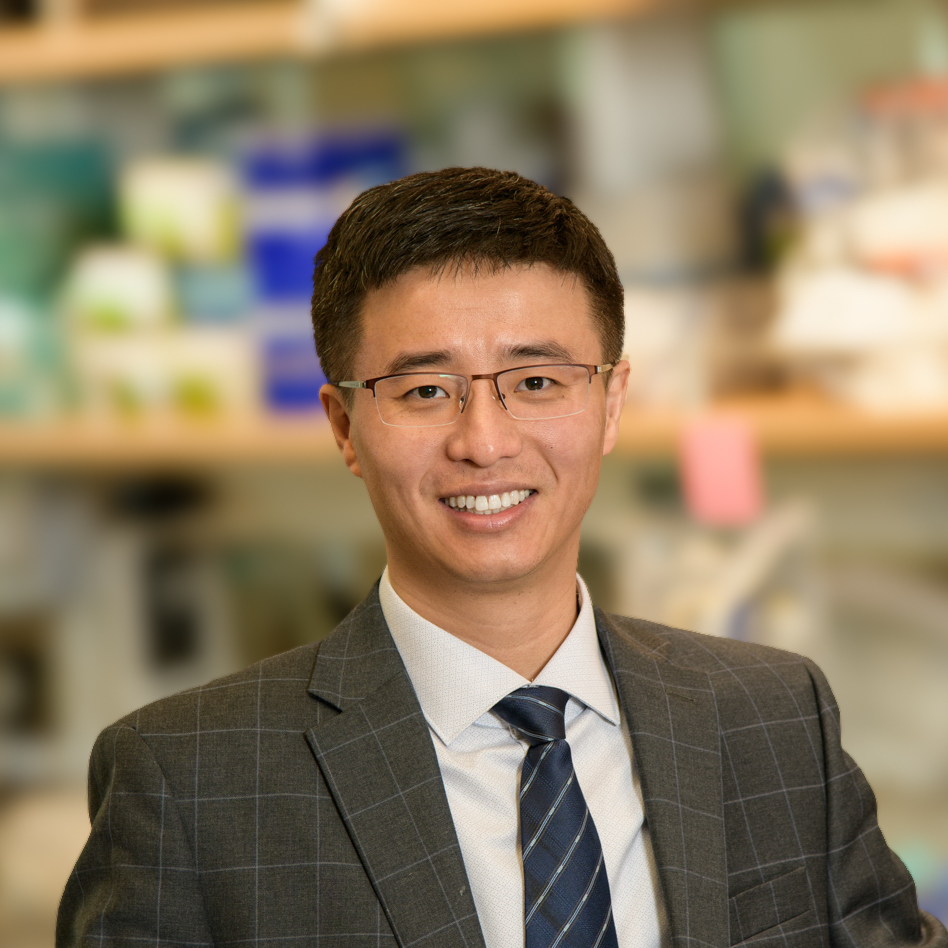 Dr. Fei Yin
Dr. Fei Yin
Associate professor at Laboratory of Neurometabolism and Neuroinflammation, University of Arizona (U.S.).
Topic of talk: Astrocytic Lipid Clearance in Neurodegeneration: from Mechanism to Therapeutic Strategy
Dr. Fei Yin is an Associate Professor of Pharmacology at the University of Arizona College of Medicine and Assistant Director for Translational Neuroscience at the Center for Innovation in Brain Science. He holds a Ph.D. in Pharmaceutical Sciences and M.S. degrees in Computer Science and Regulatory Science from the University of Southern California. Dr. Yin’s research combines expertise in neuro-metabolism, mitochondrial biology, and data science to investigate the role of brain bioenergetics in aging and Alzheimer’s disease. Ongoing projects in his laboratory focus on the cell type-specific roles of mitochondria in neurodegeneration, their crosstalk with lipid metabolism and neuroinflammation, and interactions with Alzheimer’s risk factors such as ApoE4 and female sex.
Prof. Dr. Stephan Kemp
Professor of Inherited Neurometabolic Diseases and Newborn Screening, Amsterdam University Medical Centers (The Netherlands)
Topic : Adrenoleukodystrophy, Lipidomics, and Newborn Screening: Connecting Science and Society
Prof. Dr. Stephan Kemp is a full professor of inherited neurometabolic diseases and newborn screening at the Amsterdam UMC of the University of Amsterdam. He specializes in X-linked adrenoleukodystrophy (ALD). With over 25 years of experience, he has made significant contributions to ALD research. He has published over 120 articles and book chapters that have been cited more than 14,000 times. He led the development of an ALD screening algorithm for boys as part of the Dutch newborn screening program, which began on October 1, 2023. His research group collaborates with ALD physicians and researchers worldwide, emphasizing open communication and intensive collaboration. In 1999, he founded the open-access worldwide ABCD1 variant registry and disease information platform, www.adrenoleukodystrophy.info, and he continues to serve as its editor. This comprehensive resource is available in five languages and receives over 200,000 visitors per year. He is actively involved in patient organizations and serves on medical and scientific boards in Europe and the United States. He is also a board member of ALD Connect in the United States. Team ALD, with Marc Engelen and Stephan Kemp as principal investigators, excels in translational research, bridging basic science and clinical investigation. Their transformative publications shape the field of ALD.
 Prof. Dr. Stephan Kemp
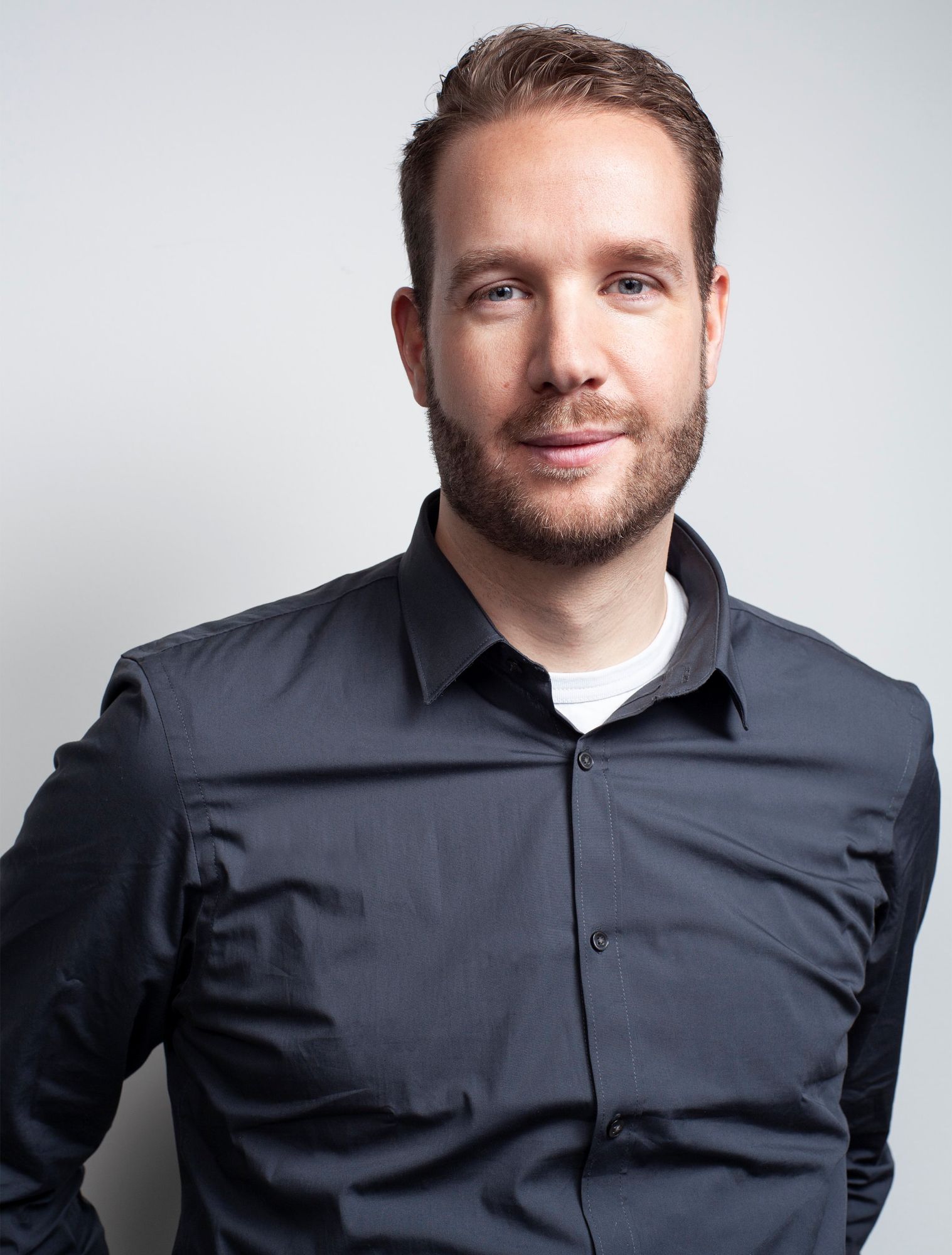 Dr. Rik van der Kant
Dr. Rik van der Kant
Assistant professor at the Amsterdam UMC and the Center for Neurogenomics and Cognitive Research (CNCR) of Vrije Universiteit Amsterdam (The Netherlands)
Topic of talk: Coupling of lipid metabolism and immune function in human iPSC-derived astrocytes.
Dr. Rik van der Kant is an assistant professor with a dual position at the Vrije Universiteit Amsterdam Center for Neurogenomics and Cognitive Research (CNCR) and the Alzheimer Center of the Amsterdam University Medical Center. His lab studies the molecular mechanisms underlying Alzheimer’s disease (AD), and other dementias in the elderly. Work in the van der Kant labs focusses on the role of lipid metabolism in these diseases, and the use of human iPSC-derived neuronal models to discover how lipid metabolism contributes to early pathogenesis. Dr. van der Kant is currently co-leading a clinical phase 2a trial (CHOlesterol Conversion for Late onset AD, CHOCOLAD) to evaluate the efficacy of low-dose Efavirenz as a brain-cholesterol lowering drug for the treatment of early Alzheimer’s disease.
Prof. Dr. Agnès Nadjar
Professor of Neurosciences, University of Bordeaux (France)
Topic of talk: Neuroimmunology of metabolic resilience
Prof. Dr. Agnès Nadjar is a neuroscientist with a specialization in neuroimmunology. Her primary focus lies in exploring the interactions between microglia and neurons, emphasizing their regulation by the dietary environment. Her research also delves into comprehending the impact of modulating microglia-neuron communication on lifelong behaviors. For 10+ years, she worked on understanding the influence of lipid nutrients on microglial physiology during neurodevelopment and their role in triggering cognitive and mood disorders. She now leads a research group dedicated to investigating the role of microglia in regulating metabolic adaptability. Her work is based on integrated approaches, ranging from cell physiology to behavioral assessments.
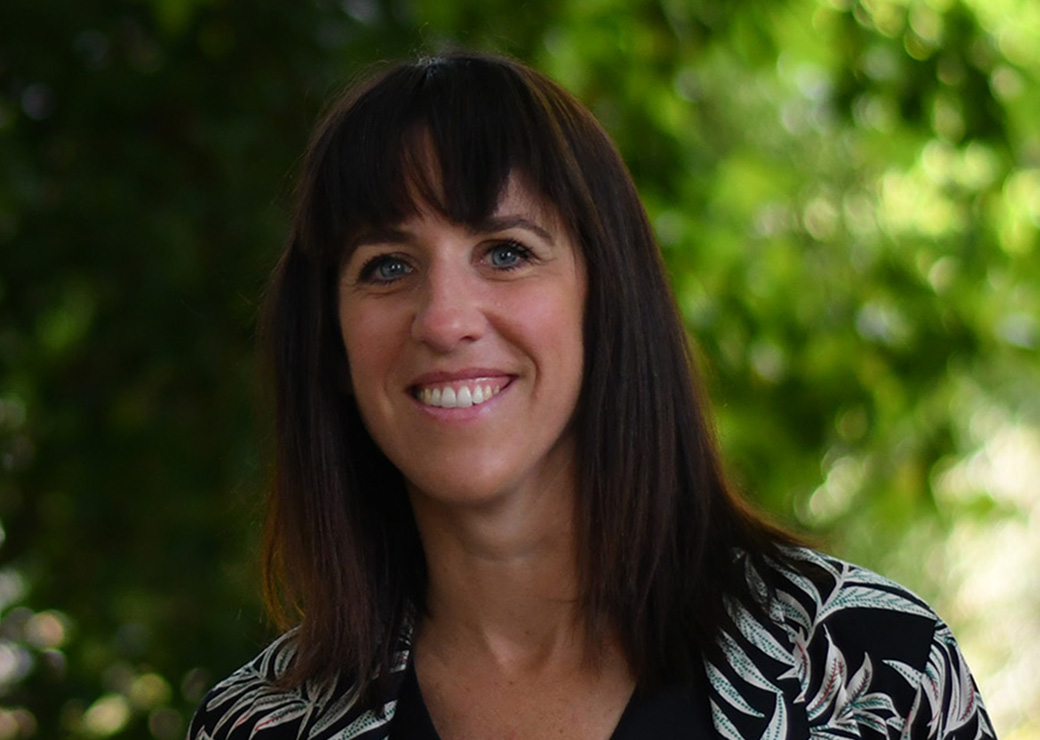 Prof. Dr. Agnès Nadjar
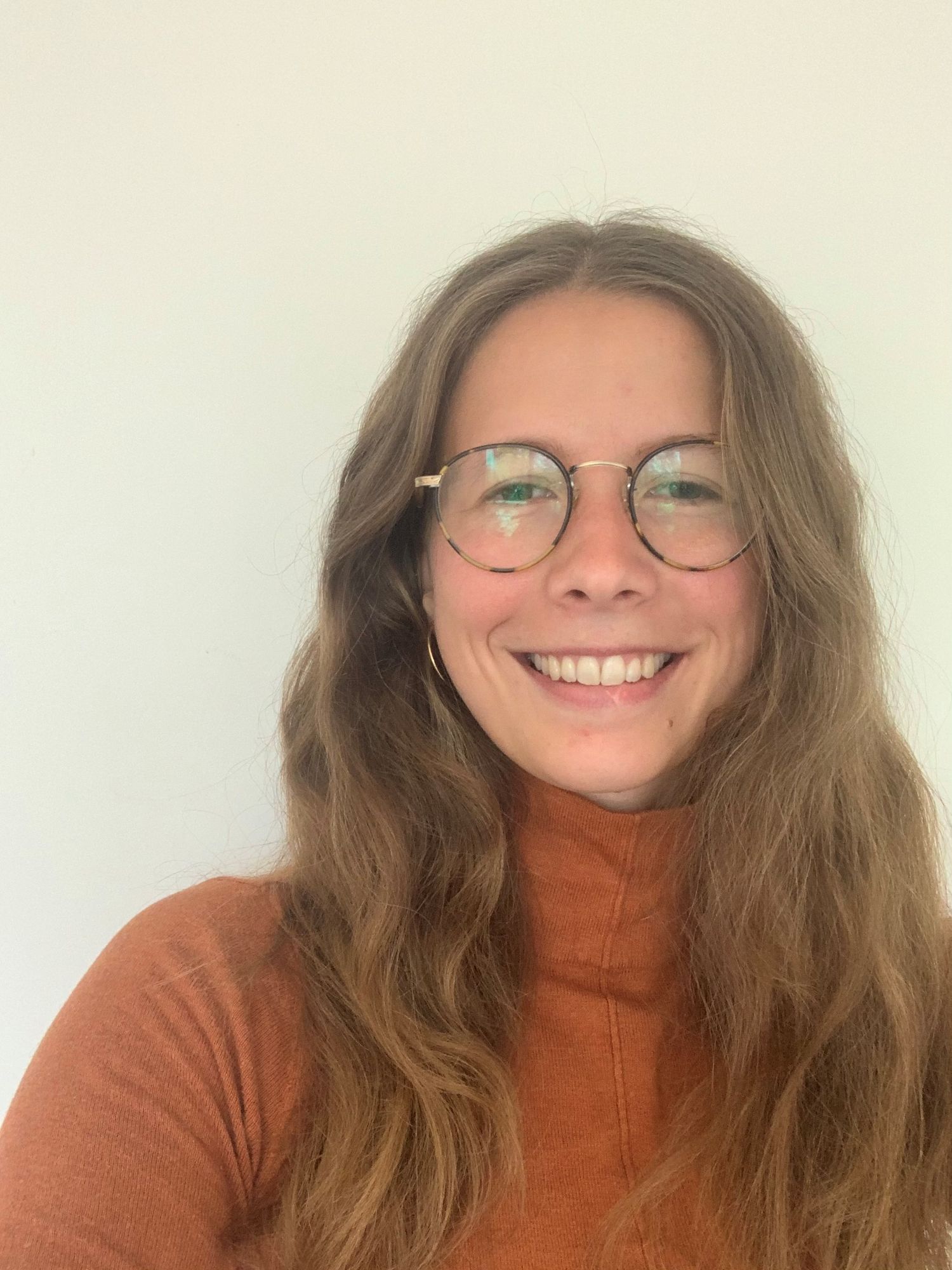 Dr. Tess Dierckx
Dr. Tess Dierckx
Postdoctoral Researcher in the Gibson lab, Department of Psychiatry and Behavioral Sciences, University of Stanford (U.S.)
Topic of talk: Circadian control of oligodendroglial metabolism
From Belgium, Dr. Tess Dierckx completed her PhD at the Biomedical Research Institute of Hasselt University under the supervision of Prof. Dr. Jerome Hendriks. Over the last few years, she worked on several projects focused the pathophysiology of multiple sclerosis. She found that the dietary component phloretin reduces neuroinflammation and enhances central nervous system repair by modulating autophagy and activity of the fatty acid sensing nuclear receptor PPAR. Apart from defining the protective properties of phloretin, she studied the importance of the fatty acid lipidome and metabolism on immune and glia cell function. As a postdoc in the Gibson lab at Stanford University, Tess aims to find novel insights into how circadian regulation affects chronic demyelinating diseases and identify new targets for the development of therapeutic strategies aimed at promoting remyelination and neurological function. In her free time, Tess enjoys traveling, hiking, skiing, drinking wine and cooking.
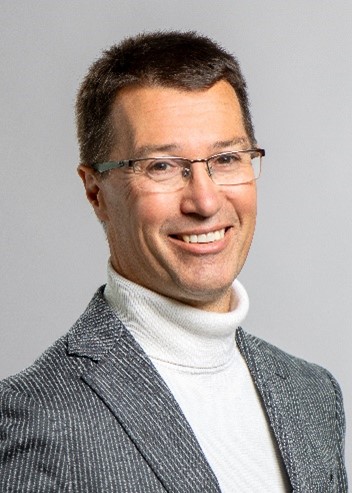
Prof. Dr. Ron Heeren
Distinguished professor of Molecular Imaging and the scientific director of M4i, the Maastricht MultiModal Molecular imaging institute, Maastricht University (The Netherlands).
Topic of talk: Spatial Lipidomics; translational research from cells to tissue
Prof. Dr. Ron M.A. Heeren obtained a PhD degree in technical physics in 1992 at the University of Amsterdam on plasma-surface interactions. He was the research group leader at FOM-AMOLF for macromolecular ion physics and biomolecular imaging mass spectrometry in the period 1995-2015. In 2001 he was appointed professor at the chemistry faculty of Utrecht University lecturing on the physical aspects of biomolecular mass spectrometry. In 2014 he was appointed as distinguished professor and Limburg Chair at the University of Maastricht. He is scientific director of M4I, the Maastricht MultiModal Molecular Imaging institute and heads the division of imaging MS. He is the vice-president of the international mass spectrometry foundation and has been active in many professional societies to advance mass spectrometric research, education and professionalization. His academic research interests are mass spectrometry based personalized medicine, translational molecular imaging research, high-throughput bioinformatics and the development and validation of new mass spectrometry based “omics” imaging techniques for the life sciences.
Email: r.heeren@maastrichtuniversity.nl
 Prof. Dr. Ron Heeren
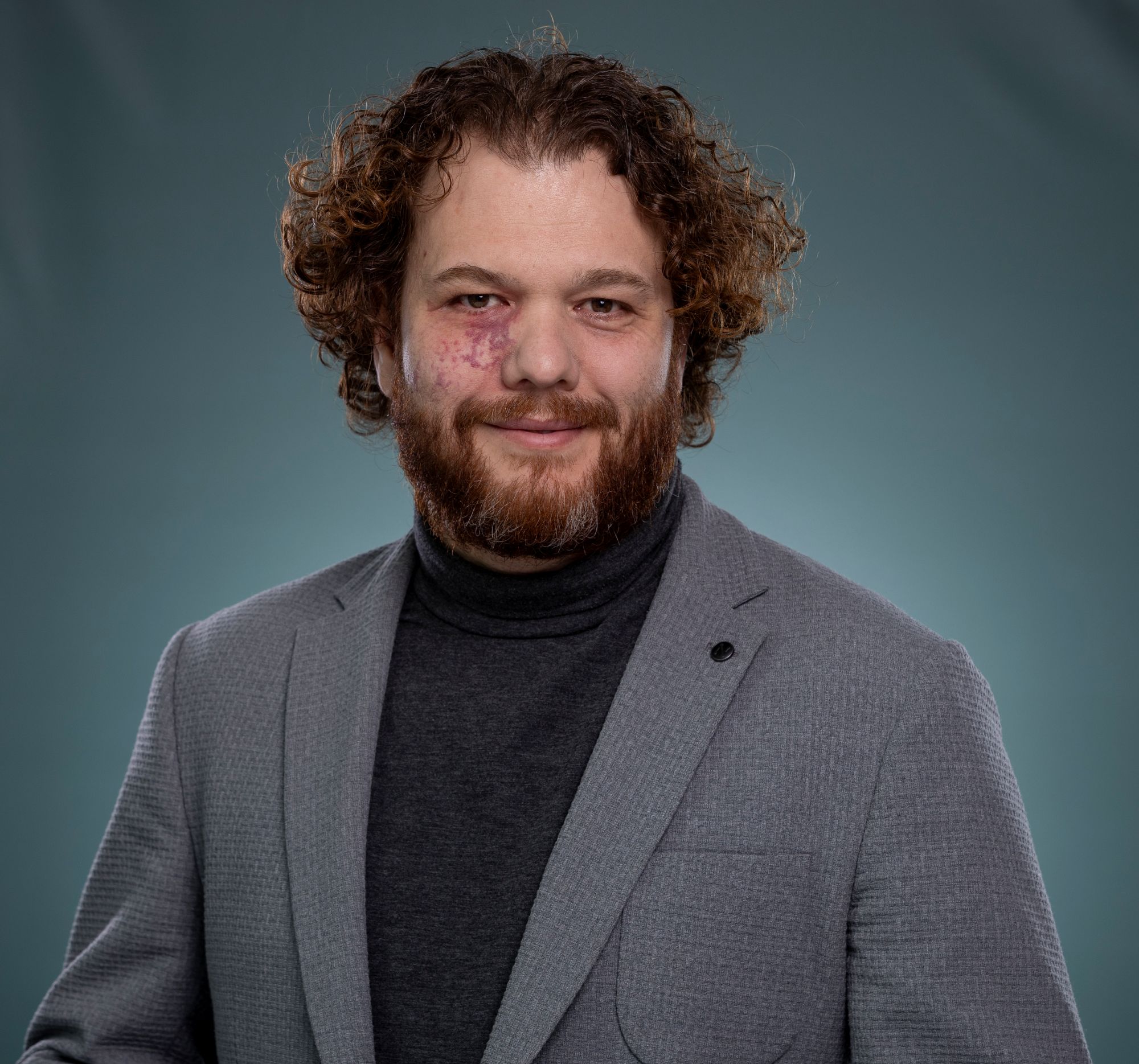 Prof. Dr. Özgun Gökce
Prof. Dr. Özgun Gökce
Professor in Department of Neurodegenerative Diseases and Gerontopsychiatry, German Center for Neurodegenerative Diseases (DZNE), University of Bonn (Germany).
Topic of talk: Immune and Lipid Pathways in Brain Aging and Injury: Insights from Single-Cell and Spatial Transcriptomics
Prof. dr. Oz Gokce is an experimental and computational neuroscientist committed to advancing strategies that support brain health during aging and prevent neurodegeneration. His research integrates single-cell and spatial transcriptomics to uncover cellular and molecular mechanisms of the nervous system in health and disease. Throughout his career, he has leveraged emerging technologies to revisit fundamental questions in neuroscience from new perspectives.
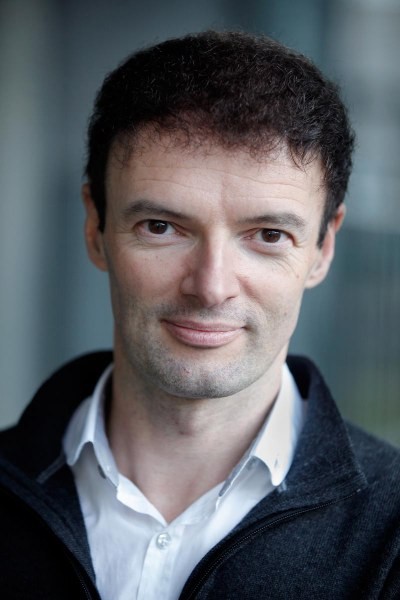
Prof. Dr. Johan Swinnen
Professor of Laboratory for lipid metabolism and cancer, Director of the Lipidomics Core Facility Lipometrix, University of Leuven (Belgium).
Topic of talk: Application of lipidomics technologies to unravel lipid metabolic changes underlying brain diseases
Prof. Dr. Johan(nes) Swinnen is head of the KU Leuven Laboratory of Lipid Metabolism and Cancer and director of the KU Leuven Lipidomics Core Facility Lipometrix. He obtained his PhD from the University of Antwerp (Belgium) in 1992 after a 4-year research stay at the University of North Carolina at Chapel Hill and the University of Rome ‘La Sapienza’. For over 25 years, Johan has been studying the link between lipids and complex human diseases including cancer and neurodegeneration. To this end, his team has been innovating and implementing several lipidomics technologies, ranging from bulk lipidomics, Mass Spectrometry Imaging and Coherent Raman Scattering microscopy, along with data integration. Through collaborative research with labs worldwide, he has contributed to over 200 papers in various lipid-related research fields.
 Prof. Dr. Johan Swinnen
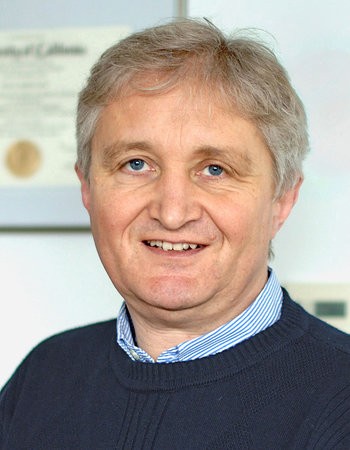 Prof. Dr. Klaus Armin Nave
Prof. Dr. Klaus Armin Nave
Professor of Molecular Biology, Director at the Max Planck Institute for Multidisciplinary Sciences, University of Göttingen (Germany).
Topic of talk: Myelin lipids in brain energy metabolism
Prof. Dr. Klaus-Armin Nave studied biology in Heidelberg and obtained his Ph.D. degree from the University of California, San Diego (USA). After postdoctoral work at the Salk Institute for Biological Studies in La Jolla (USA) he returned to Germany as an independent research group leader at the Center for Molecular Biology in Heidelberg. In 1998, he became full professor at the University of Heidelberg and was recruited one year later by the Max Planck Society to direct the Department of Neurogenetics at the Max Planck Institute of Experimental Medicine in Göttingen. His research focusses on neuron-glia interactions, mechanisms of myelination, and rodent models of myelin diseases. Recently, he discovered a role of oligodendrocytes and myelin in supporting axonal energy metabolism, which is also relevant for a range of neurological diseases.