
Speakers SenAP Symposium '25
View the content of this page
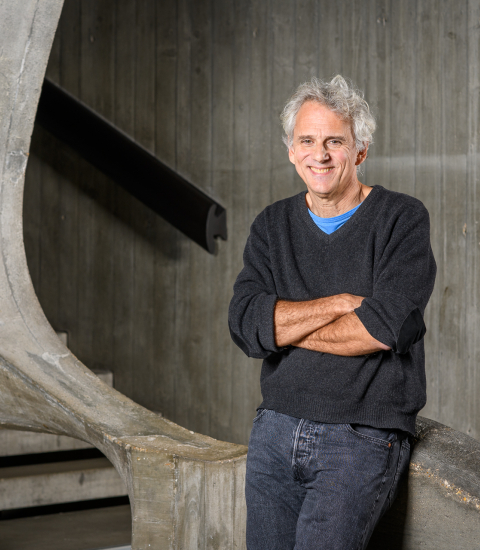 Prof. Dr. Mario Pende
Prof. Dr. Mario Pende
Prof. Dr. Mario Pende’s (Université Paris Cité, France) talk on the topic of “Senescence & Aging” will delve into how aging reshapes the metabolic landscape of senescent cells.
Prof. Pende’s research, recently published in Nature Metabolism, uncovers a homeostatic switch, resulting in the accumulation of key metabolites, linking lipid metabolism to the senescence gene expression profile. His insights into the metabolic regulation of senescence not only deepen our understanding of cellular senescence but also provide a potential therapeutic avenue for targeting senescence and related pathophysiology.
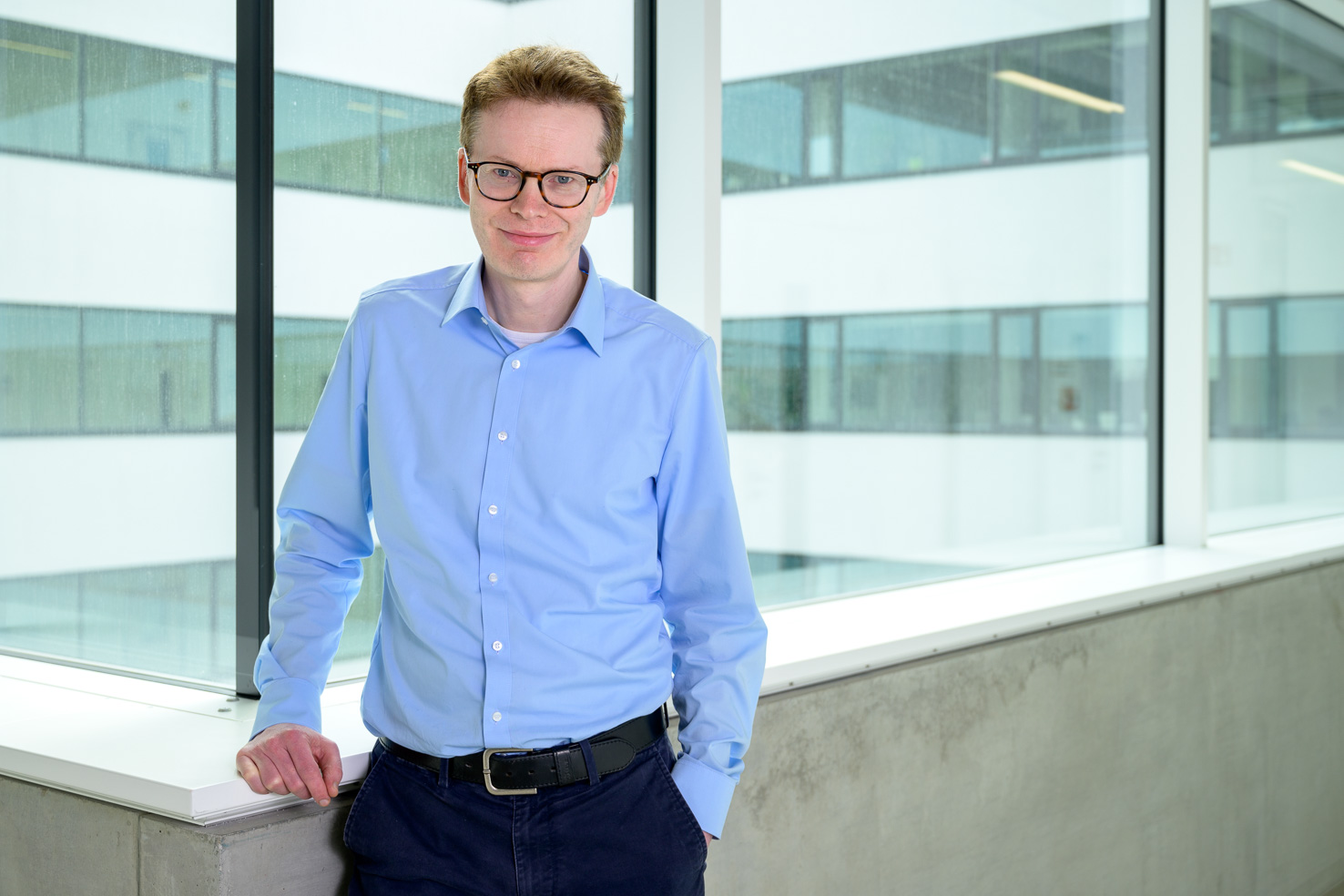
Prof. Dr. Mikeal Simons
Prof. Dr. Mikael Simons’ (Technical University Munich, Germany) talk on the topic of “Senescence & Neurodegeneration” will explore the role of senescent glial cells in neuroinflammation and neurodegenerative diseases.
Recent work from the Simons Lab, published in Nature Neuroscience, explores how aging affects glial cells and white matter, revealing key interactions between the nervous and immune systems. Their findings show that maladaptive microglia in aged white matter promote the accumulation of harmful CD8+ T cells, which contribute to axonal damage and cognitive decline—insights that open new avenues for targeting neuroinflammation.
 Prof. Dr. Mikeal Simons
 Prof. Dr. Oliver Robinson
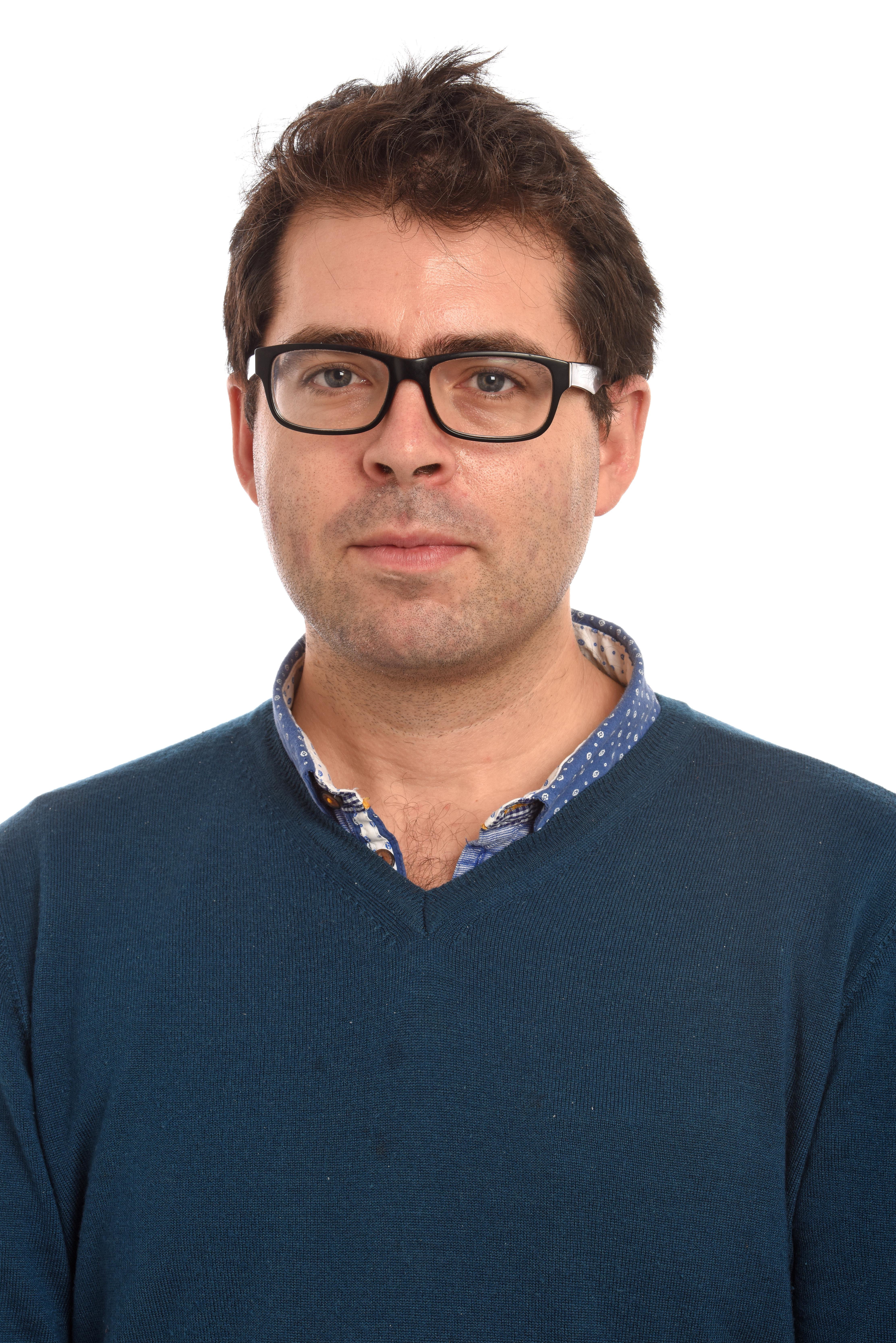
Prof. Dr. Oliver Robinson
Prof. Dr. Oliver Robinson’s (Imperial College London, U.K.) talk on the topic of “Senescence & Environmental factors” will discuss senescence in the context of environmental epidemiology and aging.
Prof. Robinson’s research group investigates how factors such as diet, sex, genetic predisposition, and environmental exposures interact to influence cognitive aging and neurodegenerative risk. Their recent findings underscore the complex role of modifiable and non-modifiable risk factors, including nutrient interactions and amyloid status, in shaping cognitive trajectories later in life. We look forward to a compelling session on how environmental epidemiology can help decode the aging process and point toward more personalized prevention strategies.
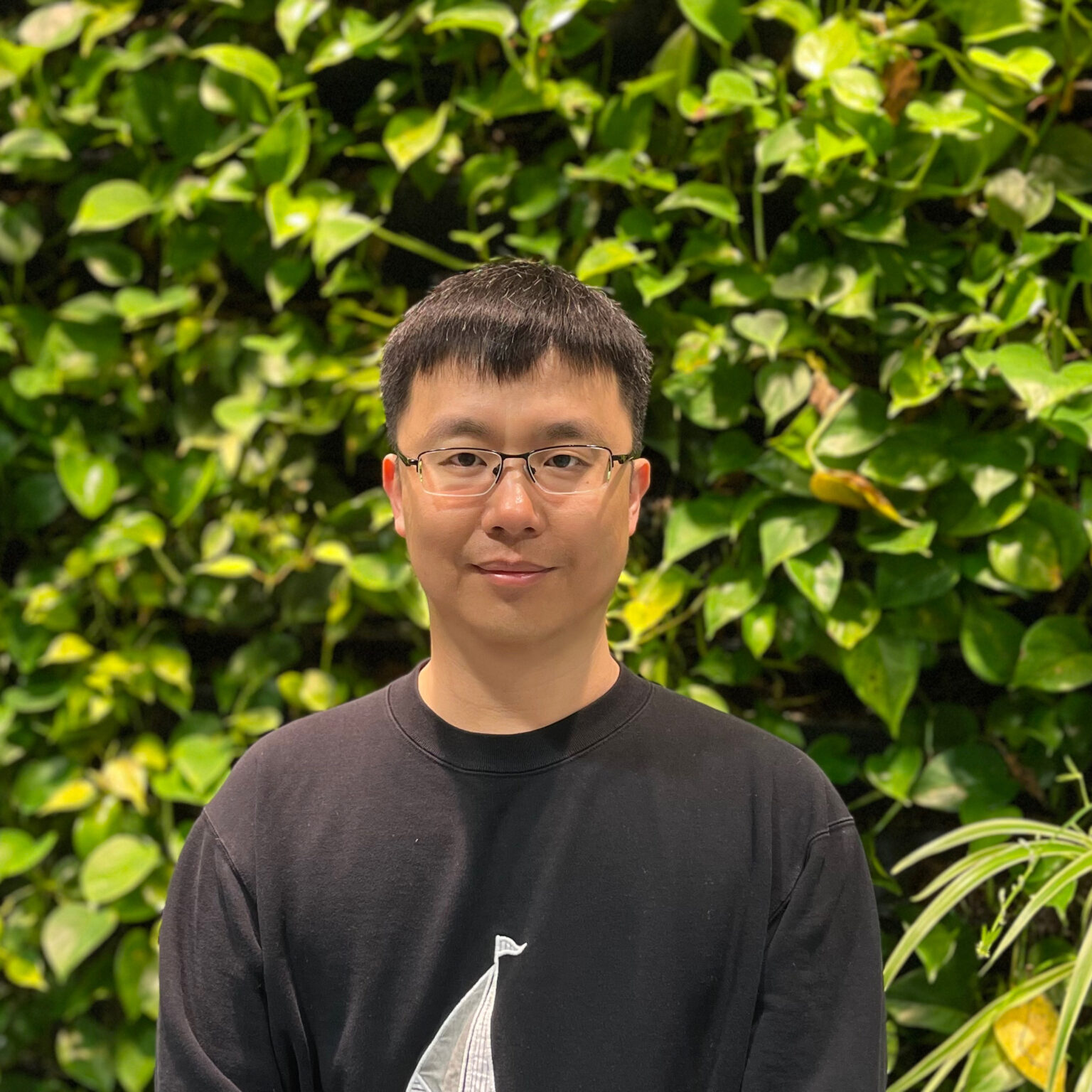
Dr. Wang Boshi
Dr. Boshi Wang’s (University of Groningen, The Netherlands) talk on the topic of “Senescence & Cancer” will delve into the role of cellular senescence in cancer and therapy resistance, with a particular interest in strategies to effectively target these cells.
Dr. Boshi Wang is a senior postdoctoral researcher in the Demaria Lab, led by Prof. Dr. Marco Demaria. Recent studies from the Demaria Lab have uncovered new ways to target senescent cancer cells and use senescence to support tissue repair. The research group identified lysosomal vulnerabilities in therapy-induced senescent cells in breast cancer, pointing to a strategy for improving treatment outcomes. Moreover, their research provides evidence that blocking cell death under oxidative stress can shift cells into a regenerative senescent state, aiding recovery after injury.
 Dr. Wang Boshi