Nanomedicines: for guiding nucleic acid therapeutics over biological barriers
We are excited to invite you to the upcoming lecture "Nanomedicines: for guiding nucleic acid therapeutics over biological barriers" by Prof. Stefaan De Smedt from UGhent.
During the session, he will explain their recent efforts in finding strategies to deliver nucleic acids from the extracellular space, over cell- and organelle-membranes, into the cytosol. Both pharmaceutical, biological, physical, and engineering aspects of their work will be highlighted. A special emphasis will be on the delivery of nucleic acids to targets in the eye.
Video call link: https://meet.google.com/uhz-oyav-pre
Or dial: (BE) +32 2 896 36 77 PIN: 525 777 328#
More phone numbers: https://tel.meet/uhz-oyav-pre?pin=2022154031023
Chaired by: Anitha Ethirajan
This event has already taken place.
Over the past 30 years, protein bio-therapeutics have experienced major clinical successes and nowadays represent the fastest growing category of drugs. Meanwhile, progress in the understanding of RNA biology has led to the identification of new RNA classes with unanticipated functions. Following these advances, new therapeutic strategies based on nucleic acids have been introduced. Examples are single-stranded antisense oligonucleotides, double-stranded small interfering RNAs and microRNAs, all for inhibiting gene expression and, most recently, single guide RNAs for the editing of mutated genes. In addition to nucleic acids which silence or edit genes, there is a major interest as well in the therapeutic potential of messenger RNAs to express proteins in cells for e.g. vaccination to protect the population against infections or to treat cancer patients. As 30-40 years ago, when recombinant proteins and monoclonal antibodies began to be developed as therapeutics, it seems that with nucleic acid bio-therapeutics we are again on the brink of a revolution in drug development. Today the majority of clinically advanced nucleic acids are systemically injected and tested for liver associated diseases. However, numerous potential targets for nucleic acids are present in tissues beyond the liver, like in the lungs and the eyes, which can best be reached through local administration of the nucleic acids, like through inhalation in the lungs or local injections in the eye.
At Ghent University we undertake efforts for a better understanding of the physicochemical and biopharmaceutical understanding of nanomedicines, including lipid nanoparticles (LNPs) loaded with nucleic acids, this to improve their delivery performance and safety. Though, while the clinical introduction of mRNA vaccines has boosted the interest and investments by the pharmaceutical industry into the further development of LNPs, at university we consider it our role to keep on trying to identify new concepts and strategies which might open new avenues for the delivery of bio-therapeutics to targets which cannot be reached through nanoencapsulation. This lecture will explain our recent efforts in finding strategies to deliver nucleic acids from the extracellular space, over cell- and organelle-membranes, into the cytosol. Both pharmaceutical, biological, physical, and engineering aspects of our work will be highlighted. A special emphasis will be on the delivery of nucleic acids to targets in the eye.
***Your participation can be added to the doctoral school portfolio. The attendance sheet will be available in the seminar hall, or you can fill in the details here.
About our guest
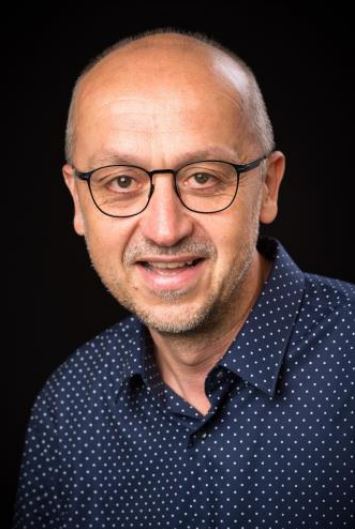
Professor Stefaan De Smedt is the founder and director of the Ghent Research Group on Nanomedicines from Ghent University (Belgium). The research focus in his lab is on the delivery of bio-therapeutics, nucleic acids, and proteins, for future therapies of lung and ocular diseases and cancer (through mRNA vaccination and cell therapies). Together with partners in academia and industry, his lab develops and evaluates delivery concepts and technologies for novel advanced therapies.
He has been a Guest Professor at various universities in Belgium, China, and Italy. Since 2004 he serves as the European Editor of the JCR - since 2023 he is leading the JCR as Editor-in-Chief. He has been elected as a member of the Flemish Royal Academy of Medicine, the European Academy of Sciences, and the Académie Nationale de Pharmacie de France.