
From Molecular Design to In Vivo Regeneration: Advanced Thiol–Ene (Bio)fabrication
This event has already taken place.
From Molecular Design to In Vivo Regeneration: Advanced Thiol–Ene (Bio)fabrication
About the event
In this lecture, Prof. dr. Sandra Van Vlierberghe (Ghent University) presents photo-crosslinkable biodegradable polymer networks based on thiol-ene chemistry as an alternative to brittle acrylate-based systems. Synthetic poly(ε-caprolactone) and gelatin-based materials are developed with tunable and predictable mechanical, thermal and degradation properties by controlling the molar mass between cross-links.
They are biocompatible, suitable for high-resolution volumetric 3D printing and have regenerative potential in vitro and in vivo. In addition, a single-step functionalization strategy is introduced to simultaneously form polymer networks and incorporate cell-adhesive motifs, enabling uniform biofunctionalization without post-processing. The lecture further highlights applications in digital light processing, indirect 3D printing of CT-traceable scaffolds and real-time in vivo implant monitoring as well as a comparison between recombinant and animal-derived gelatin hydrogels for angiogenic potential.
About the speaker
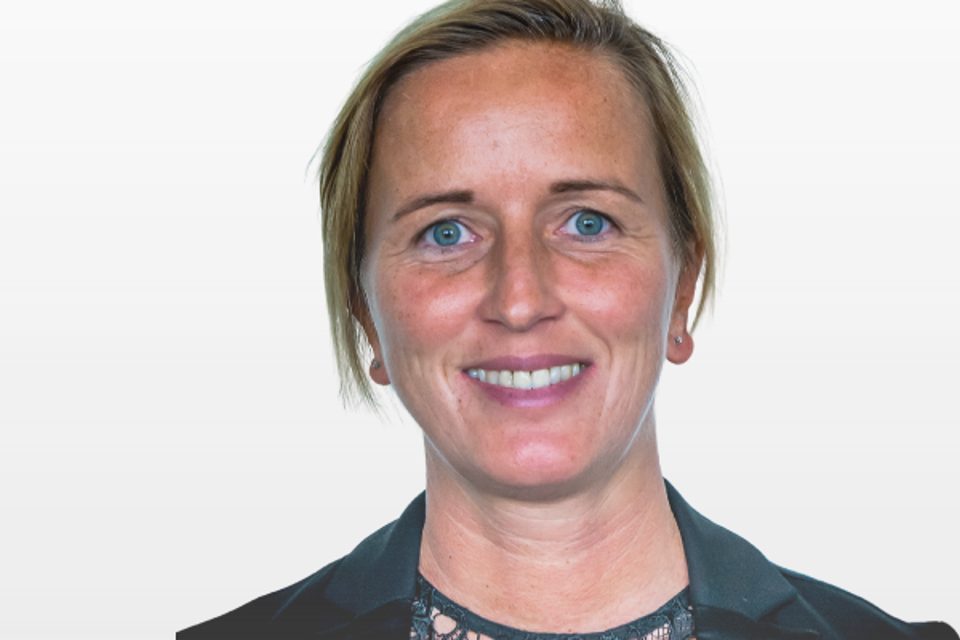
Prof. dr. Van Vlierberghe’s research focusses on the development of photo-crosslinkable (bio)polymers and their processing capabilities using (laser-based) 3D printing techniques. She has acquired expertise related to the synthesis, the modification and the processing of a variety of (bio)polymers including thermoplasts and hydrogels in the field of regenerative medicine during the last 15 years. She received her PhD in Sciences in 2008 at UGent, authored more than 115 Web of Science cited papers and 11 full papers in international conference proceedings. In addition, she also authored more than 80 conference abstracts.
This lecture is organized by The MRS/E-MRS Joint Chapter of UHasselt, in collaboration with the Master of Biomedical sciences.

