SENECA Talk: Electrolyte effects on electrocatalytic hydrogen and oxygen evolution
This event has already taken place.
SENECA Talk: Electrolyte effects on electrocatalytic hydrogen and oxygen evolution
SENECA Talks is a monthly seminar series on solar energy conversion and storage, organized by EnergyVille/imec/UHasselt (IUMAT).
Abstract
The electrocatalytic hydrogen and oxygen evolution reactions are the cornerstone reactions of water electrolysis. Here, I will discuss recent advances from my group in how the electrolyte composition determines the rate of these reactions. This complex interplay between electrode and electrolyte is currently still far from being completely understood. For the hydrogen evolution reaction (HER), cations play a key role in alkaline media in promoting or inhibiting the rate-determining step of HER. For the oxygen evolution reaction (OER) on NiFe-oxyhydroxide catalysts, cations have a strong effect on the non-kinetic contribution to the OER rate, suggesting that cations influence the accessibility of the active sites inside the layered oxyhydroxide. Finally, the electrolyte composition can have a major influence on bubble dynamics at high current densities, for both reactions.
About the speaker
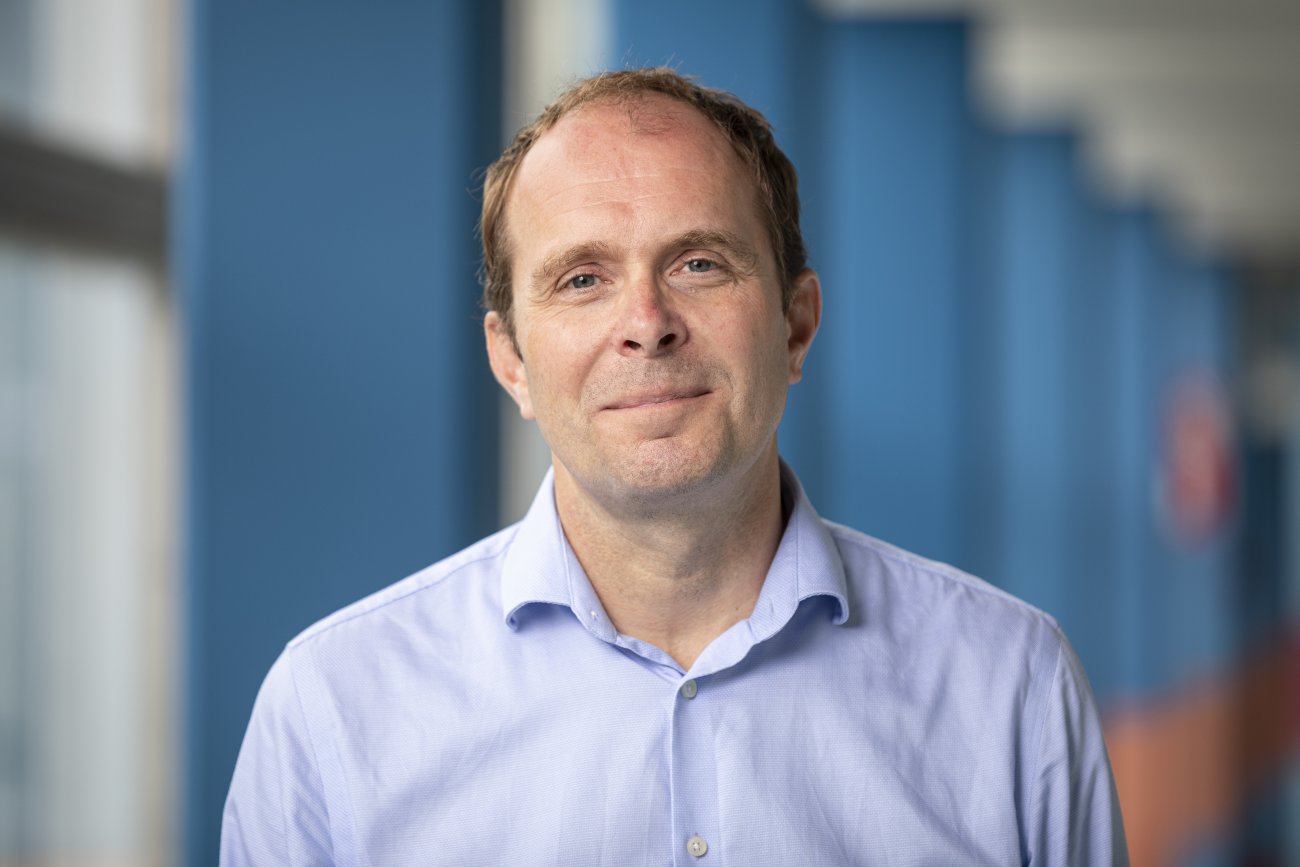
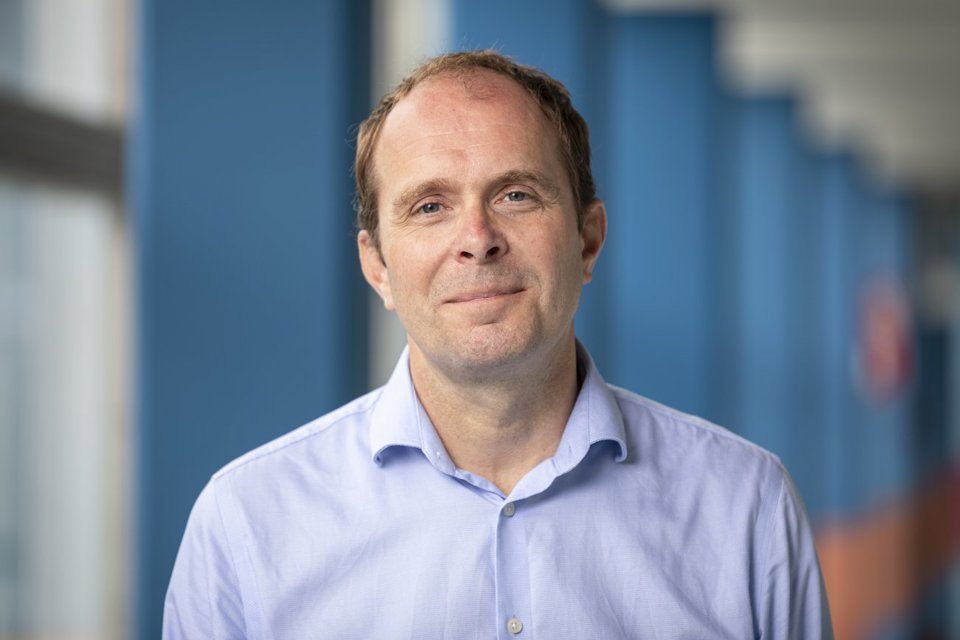
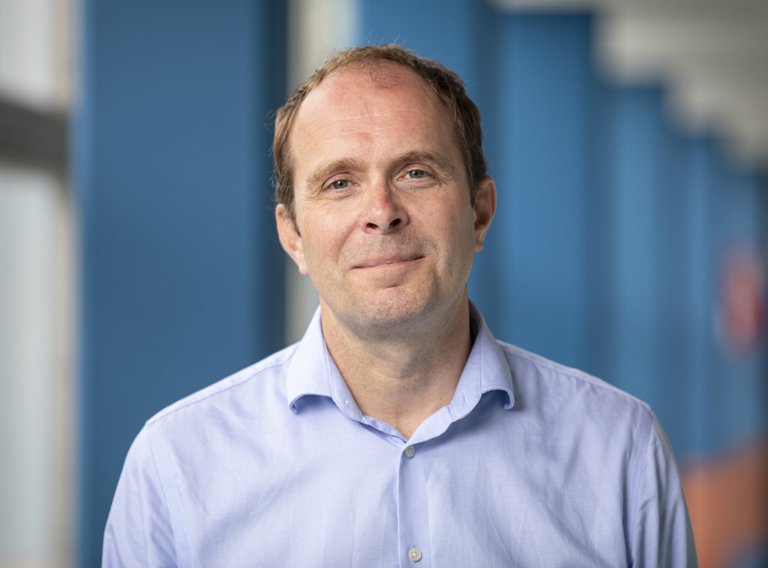
Marc Koper is Professor of Surface Chemistry and Catalysis at Leiden University, The Netherlands. He received his PhD degree (1994) from Utrecht University (The Netherlands) with a thesis on nonlinear dynamics and oscillations in electrochemistry. He was an EU Marie Curie postdoctoral fellow at the University of Ulm (Germany) and a Fellow of Royal Netherlands Academy of Arts and Sciences (KNAW) at Eindhoven University of Technology, before moving to Leiden University in 2005. His research in Leiden focuses on fundamental aspects of electrocatalysis, theoretical and computational electrochemistry, and electrochemical surface science, in relation to renewable energy and chemistry. He has received various national and international awards, among which the Spinoza Prize of the Netherlands Organization for Scientific Research (2021), the Allen J. Bard Award for Electrochemical Science of The Electrochemical Society (2020), the Netherlands Catalysis and Chemistry Award (2019), and the Faraday Medal (2017) from the Royal Society of Chemistry. He was President of the International Society of Electrochemistry in 2021-2022.