Alessandro Marchese - Causal Modeling of Organ Offer Dynamics for Better Allocation
Speakers:
- Alessandro Marchese
This event has already taken place.
Abstract of the talk
Organ transplantation remains severely constrained by donor scarcity and inefficiencies in offer acceptance. Across organ types, acceptance rates in real-world systems commonly fall below 5%, with most offers refused multiple times before a successful placement. These refusals prolong cold ischemic time (CIT), degrade graft quality, and substantially increase the probability of eventual discard. Any allocation policy aiming to improve health outcomes must therefore model not only long-term transplant benefit, but also acceptance behavior, decision time, and the sequential dynamics governing organ deterioration. Yet current allocation models, including those embedded in regulatory simulators, rely on oversimplified, non-causal acceptance estimators, failing to generalize to counterfactual policies or to incorporate clinician-provided explanatory signals.
No registration required
About the speaker
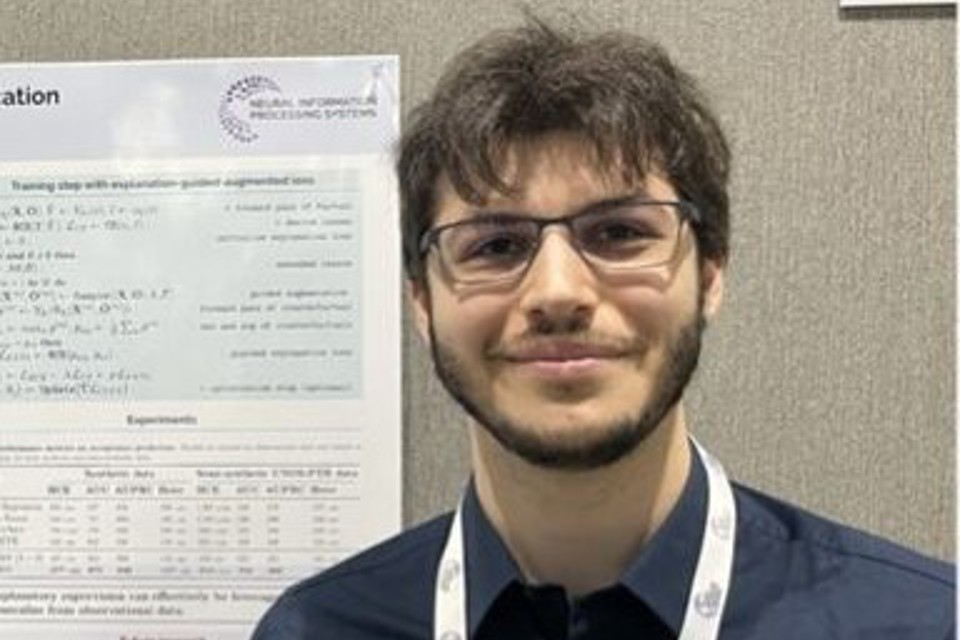
I am currently a joint PhD student at Vrije Universiteit Brussel (VUB) and Universiteit Hasselt (UHasselt). My research interests lie at the intersection of machine learning and causality, often applied to healthcare systems. Previously, I was an engineering student at KU Leuven. Outside of work, I enjoy playing football and spending time with friends.
Alessandro Marchese
VUB