Mobile Health Unit

The Mobile Health Unit (MHU) is a structural collaboration between Hasselt University, Jessa Ziekenhuis and Ziekenhuis Oost-Limburg aiming at combining clinical expertise with academic knowledge.

As a multidisciplinary team of professional caregivers and researchers we focus on finding practical & evidence based solutions for mobile health problems.
377 377

The Mobile Health Unit (MHU) is a multidisciplinary research unit in the domain of Mobile Healthcare. In May 2012 the MHU was established as part of the Limburg Clinical Research Centre (LCRC) a structural collaboration between Hasselt UniversityJessa Ziekenhuis  and Ziekenhuis Oost-Limburg. The MHU aims to combine the fundamental knowledge available within the various research groups of Hasselt University with the clinical expertise in both hospitals to leverage mHealth research activities. Given the multidisciplinary character of mHealth research, we collaborate across different research disciplines in order to achieve a comprehensive view on mHealth. Hasselt University research groups and institutes provide expertise in medical, clinical, technological and socio-economical aspects of mHealth. The close collaboration across the three partner institutes results in an already extensive portfolio of mHealth projects. Those projects are all related to the mHealth innovation cycle covering fundamental and applied research, new technology development, technical and clinical validation and services for mHealth companies to stimulate economic valorisation. All our activities are in close cooperation with patients, healthcare specialists, academics and businesses.


Our focus domains are mHealth Research, Innovation and Business Support.

RESEARCH

Multidisciplinary academic research and education.

We investigate the added value of mobile technology, mobile applications and services in healthcare. We believe that mobile innovation may empower patients to actively self-manage their health, may increase the quality and safety of care and may reduce healthcare related costs.

Strategic basic research – Researchers from Hasselt University perform strategic basic research on different topics which can be related to and interesting for the mHealth domain. E.g. research on new disease biomarkers, new wearable technologies for continuous monitoring, new prediction models & algorithms, quality of care indicators, cost-effectiveness models etc.

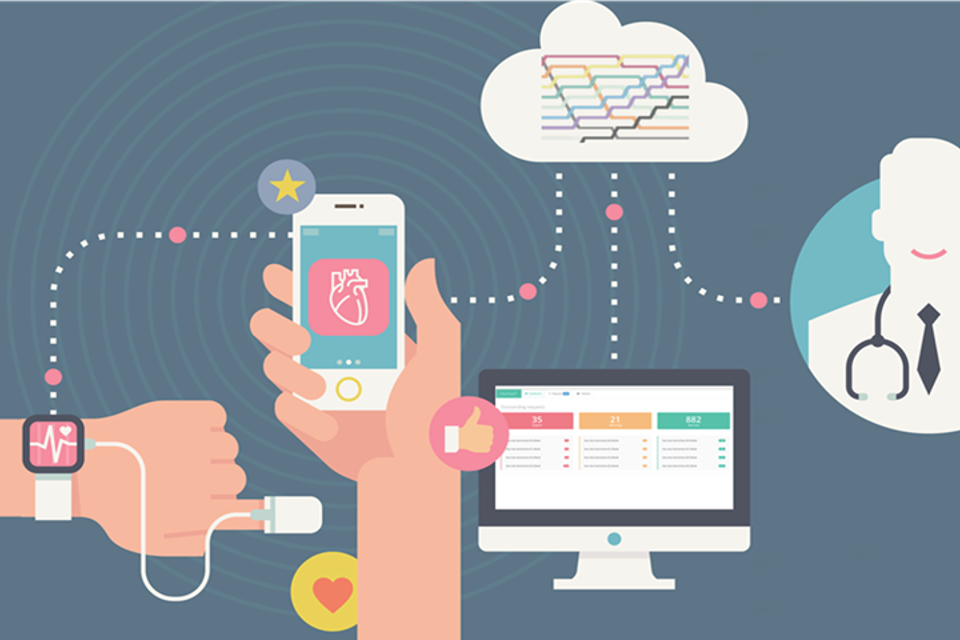
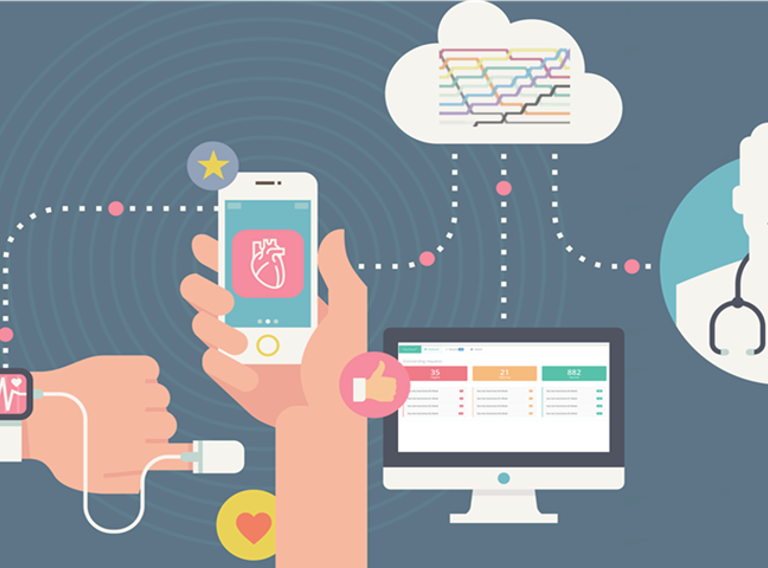
Applied research – The Mobile Health Unit aims to “combine and apply” the fundamental knowledge available within the various Departments of Hasselt University to support mobile health related activities and research projects within the hospitals Ziekenhuis Oost-Limburg and Jessa. Also applied research in cooperation with industrial partners or the government is possible in the form of contract research or by applying for grants at external funding agencies. The focus of our research projects is on the “remote care cycle” as shown in the illustration below.

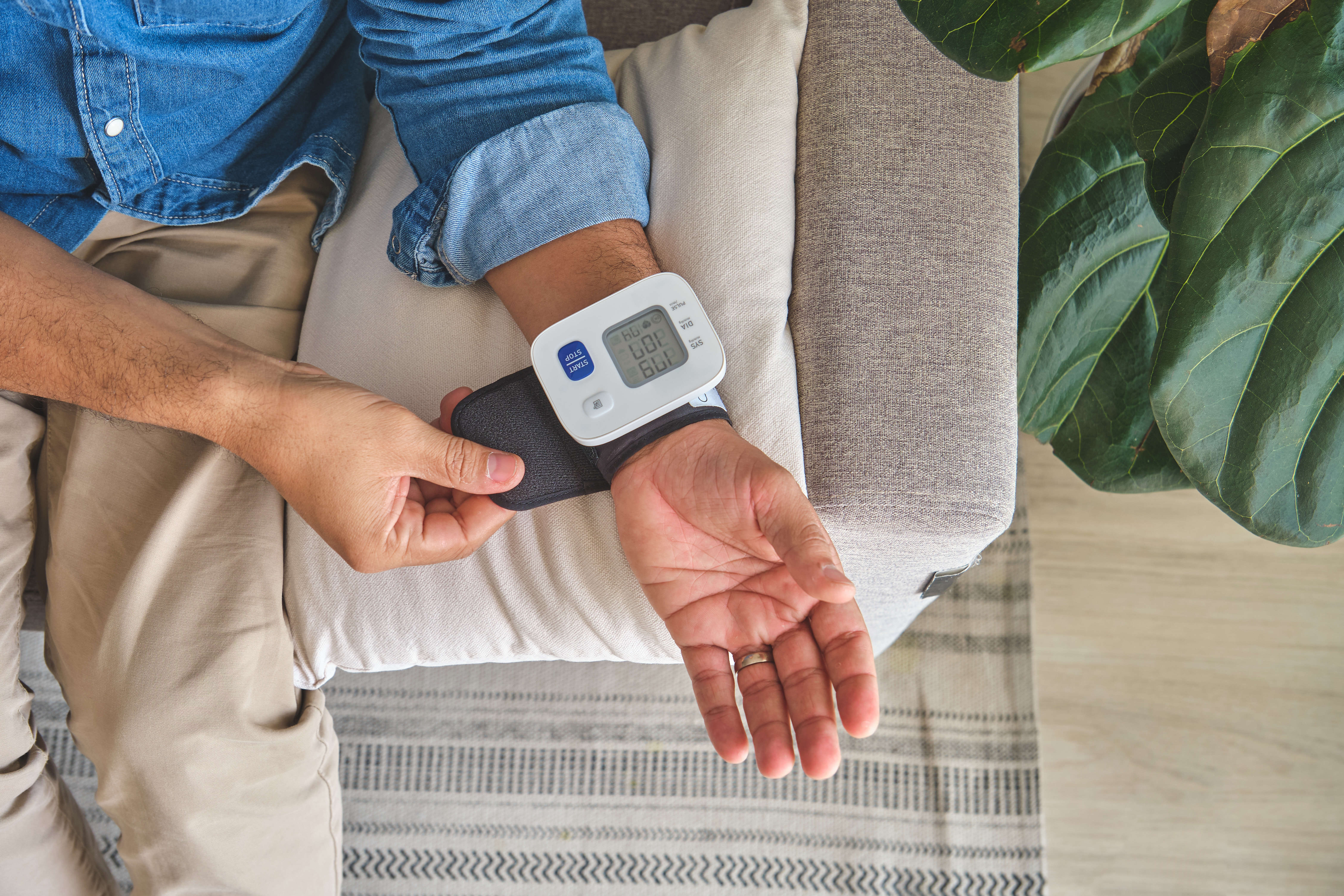
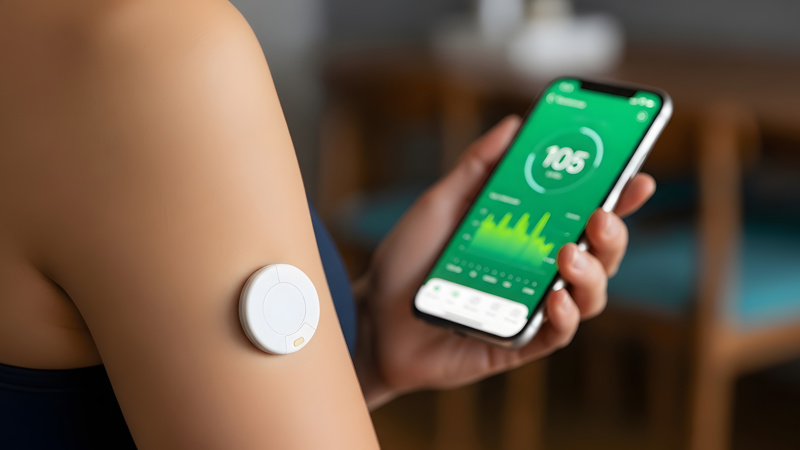
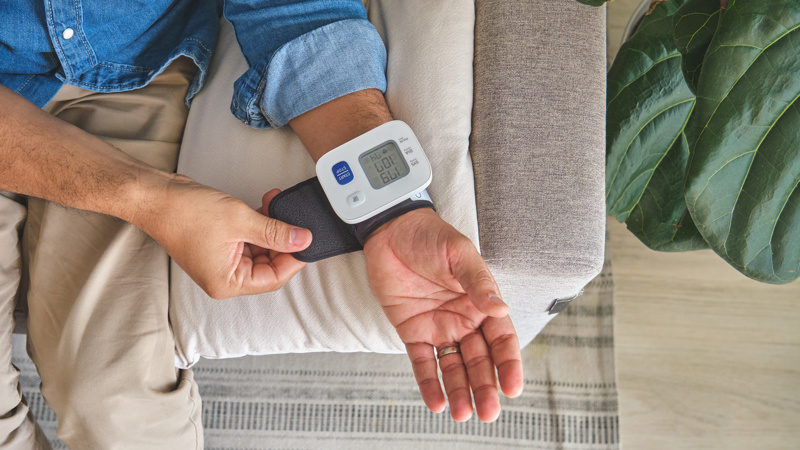
Patients at home are equipped with various sensors to collect patient specific and contextual information. Those sensors can be invasive (pacemakers, ICD or CRT-D/P) or non-invasive (weight scales, devices to measure blood pressure, blood glucose, urine composition, wearables to measure physical activity, body temperature, bio-impedance, ECG, heart rate, …) or can be mobile like medical smartphone applications to collect information on location, emotional mood, eating behavior, etc. All patient data (physical, physiological, contextual and environmental) are gathered by a generic healthcare hub or gateway, compatible with various types of sensory systems (often the smartphone). This gateway sends the data to a remote, cloud based platform needed to perform academic and clinic research on the topic of telemonitoring and data mining techniques essential for personalized and predictive medicine. A care center (health professionals, nurses,…) can consult the data and provide patient feedback. Through the generation, dissemination/transfer and valorization of new knowledge, the MHU aims to close the gap between knowledge, technology and the clinical practice.

INNOVATION

Co-creation and validation of new mHealth technology with external research institutes and industrial partners.

The MHU develops, validates and implements mobile health technologies and applications. By committing to prototype development and offering a clinical living lab to test new products/processes under scientific supervision, the entire mhealth innovation cycle, starting from idea to product, is covered. A prototype development lab is a lab where cheap and rapid development of hardware and software prototypes for care applications can take place. In this lab, we facilitate an intensive cooperation between companies, hospitals and researchers to develop new products and services or to optimize existing technologies in order to better meet the current needs in the healthcare sector. This multidisciplinary environment will accelerate the process of ‘idea’ to ‘ready-to-use product’. Additionally, this lab can serve to ‘technically’ validate new/existing technologies or products, before testing them in a real life setting, such as clinical testing ground. For this the MHU collaborates with the Faculty of Industrial Engineering of Hasselt UniversityFaculty of Rehabilitation and Physiotherapy, with the PXL-IT and PXL-TECH departments of PXL, with the technical engineering students of UCLL, with Bluehealth Innovation Center (BHIC) and with Imec Holst centre.

BUSINESS

Contract services and valorization of market ready products and services

In recent years mHealth has emerged as a complementary way of delivering healthcare building on the ubiquitous connectivity of mobile networks and the proliferation of smartphones and tablets. The MHU aims to support innovative services, start-ups & the app economy. The first spinoff company of the MHU, Qompium, was established in 2014.Through our mHealth community platform and clinical living labs we enhance business development and valorization. The mhealth community provides a platform and point of contact for all stakeholders in mHealth like healthcare facilities, other universities and research institutions, industry, federal and state government entities and health insurance companies. Together with LifeTechValley we organize networking facilities & symposia. The clinical living labs for in-hospital validation of new technologies & services are located in Jessa Hospital, Hasselt and Ziekenhuis Oost-Limburg, Genk. Also other regional hospitals can be involved through HospiLim. The MHU collaborates with CAREVILLE – Moving Care, a living lab in the Province of Limburg, which facilitates testing innovative health services in real life situations. The focus of this living lab is on the elderly population (‘healthy ageing’).

The Mobile Health Unit is partner to plan, set-up and scientifically support clinical pilots or clinical trials like e.g. randomised controlled trials (RCTs) to validate new products, services or pathways in the domain of mobile healthcare. We also apply for grants at (EU) funding agencies. The MHU offers services for companies in the form of contract studies. For all actions concerning technology transfer or business formation we get legal advice & support from Hasselt University Technology Transfer Office (TTO).

Principal Investigators

prof. dr. Piet Stinissen
Chairman LCRC
Hasselt University
prof. dr. Pieter Vandervoort
Cardiologist & Professor
Ziekenhuis Oost Limburg – Hasselt University
prof. dr. Paul Dendale
Cardiologist & Professor
Jessa Ziekenhuis – Hasselt University
prof. dr. Wilfried Gyselaers
Gynaecologist & Professor
Ziekenhuis Oost Limburg – Hasselt University

Coordinator MHU

Julie Vranken
Coordinator MHU
Hasselt University - ZOL - Jessa
julie.vranken@uhasselt.be

Projecten

NightOwl

An Evaluation of the NightOwl Home Sleep Apnea Testing System

Background: An important challenge in sleep medicine is the initial diagnosis of sleep disorders. It has been estimated that up to 90% of sleep apnoea patients remain undiagnosed and untreated. The clinical practice guideline for diagnostic testing for adult sleep apnea by the American Academy of Sleep Medicine (AASM) formulated a strong recommendation that both polysomnography (PSG) and home sleep apnea testing (HSAT) are appropriate diagnostic testing options. For this purpose, the company Ectosense developed NightOwl: a minimally obtrusive system for the diagnosis of sleep apnea at home.

Study Goal: In this project, the NightOwl device is compared to the gold standard PSG to estimate the predictive performance of sleep apnea diagnosis. The NightOwl system consists of a small sensor device placed on the fingertip, a cloud-based analytics platform and software. The sensor acquires accelerometer and photoplethysmography data, which enables the detection of features such as blood oxygen saturation and activity. 

G:\Mijn Drive\MHU-webpage\New_Website_MHU\Project Tiles\EctosenseDevice 12.png

Study design: To develop a mobile screening system consisting of a finger-worn pulse oximeter, accelerometer and microphone that achieves comparable diagnostic outcomes to that of the current gold standard full-night PSG, with respect to sleep apnea diagnosis.

Keywords: sleep apnea – mobile detection – wearable device – automated screening system for sleep stages - photoplethysmography

Partners:

Hasselt university

  • MHU under supervision of dr. Valerie Storms

Ziekenhuis Oost-Limburg

  • Pneumology & Sleep Laboratory Department under supervision of Dr. Susie Klerkx

  • Future Health Department under supervision of dr. Inge Thijs & Pauline Dreesen

http://www.zol.be/sites/all/themes/zol/img/ZOL-logo-105h.png   http://www.uhasselt.be/images/DCM/huisstijl/2017/logo/download/UHasselt-liggend.png

PREMOM II

PREMOM II – A remote monitoring follow-up program for women with a high risk for the development of gestational hypertensive disorders

Project funded by FWO-TBM fund.

Study goal: The goal of this project is to thoroughly evaluate the added value of a telemonitoring (TM) program for women at risk for gestational hypertensive disorders (GHD), by investigating its impact on prenatal follow-up, health outcomes for mother and child, costs and satisfaction, and by specifically investigating what are the major contributors to this added value.

C:\Users\Dorien.Lanssens\Dropbox\1_TBM\Promo\Premom LOGO (1).png

Study design: The study is a multicenter, prospective, interventional randomized controlled trial in which 6107 pregnant women at risk for GHD will be included. Eligible pregnant women at risk for GHD will be recruited after routine GDH screening and randomly divided in one of the following three groups, in each participating hospital:

  1. TM (telemonitoring) group. Pregnant women participating in this group will receive a connected blood pressure monitor and activity tracker. The patient has to measure her blood pressure twice a day (in the morning and in the evening) and fill in her weight once a week in the App. These data are automatically transmitted via Bluetooth and Wi-Fi to a TM-midwife in the hospital who can follow-up those data in a digital dashboard. When abnormal events occur, the referring gynaecologist and the TM gynaecologist will be contacted by the midwife. The TM gynaecologist can give advice concerning the interventions which can be performed but the referring gynaecologist makes the final decision (and will make the prescriptions when necessary). The midwife will use multi-model contacts (i.e. in-person or telephone counseling contacts with the women, face-to-face visits with the pregnant women, etc.) to deliver the intervention to control the blood pressure.

  2. Patient self-monitoring group. Pregnant women participating in this group will also receive a connected blood pressure monitor. They are asked to collect their blood pressure twice a day and put in their weight on the app once a week. As with the TM group, those data will be transmitted by Wi-Fi and Bluetooth to an online dashboard to store and collect them, but they will not be revised by a healthcare collaborator, nor will the women in this group be motivated to keep on measuring in case their compliance would drop. The women in this group will receive standard prenatal care or will receive interventions when they contact their caregivers about their measurements.

  3. Conventional care group. Pregnant women in the conventional care group will receive the standard prenatal care, as provided to local sites. They don’t receive any devices. 

The following maternal intensive care centers will participate in this project:

  • UZ Leuven (Leuven, Belgium; ca 2000 deliveries/year) which reaches ca 9300 deliveries/yr in the wider area, including surrounding hospitals – Prof. Dr. Roland Devlieger.

  • UZ Antwerpen (Antwerpen, Belgium; ca 1000 deliveries/year) which reaches ca 1000 deliveries/yr in the wider area, including surrounding hospitals – Prof. Dr. Yves Jacquemyn

  • Sint Lucas & Sint Jan Brugge - Oostende (Brugge, Belgium; ca 2000 deliveries/year) which reaches ca 11000 deliveries/yr in the wider area, including surrounding hospitals – Dr. Hilde Logghe

  • Ziekenhuis Oost-Limburg (ZOL; Genk, Belgium; ca 2000 deliveries/year) which reaches ca 7600 deliveries/yr in the wider area, including surrounding hospitals – Prof. Dr. Eric De Jonge

Study results: Our goal is to roll out TM in prenatal care for women at risk for GHD in the whole of Flanders. When TM would be applied at all Flemish maternal intensive care centers, almost every women will have access to this prenatal care program which can improve the outcome for her and her baby. The overall goal of this randomized controlled trial is to thoroughly evaluate the added value of a TM follow-up program for pregnant women at risk for GHD. We hypothesize that a prenatal follow-up program complemented with TM will improve the gestational outcomes for both the pregnant women as the neonates, without increasing the costs of healthcare.

With PREMOM II, we indeed address the following triple aim for the prenatal care of high risk GHD pregnancies:

  • Improve health (less complications for mother and child because of GHD)

  • Improve quality of care (early detection of (exacerbation of) GHD) and more intensive follow-up for those patients that need it.

  • Reduce health care costs per capita (lower care consumption – fewer consultations and admissions, fewer costs because of complications for mother and child)

If successful, these results will convince caregivers, hospital management and payers to translate them into clinical practice, and hence implement TM for women at risk for GHD in Flemish healthcare.

Keywords: Gestational hypertensive disorders – remote monitoring – pregnancy outcomes

Project partners: 

Hasselt university

  • MHU under supervision of dr. Dorien Lanssens

Ziekenhuis Oost-Limburg

  • Gynaecology Department under supervision of Dr. Eric De Jonge

  • Future Health Department under supervision of dr. Inge Thijs

Universitaire Ziekenhuizen: 

News

https://www.hbvl.be/cnt/dmf20180919_03762217/helft-minder-zwaar-zieke-prematuurtjes

https://www.hbvl.be/cnt/dmf20180711_03608190/zol-kan-vroeggeboortes-gemiddeld-twee-weken-verlaten-dankzij-project-met-bloeddrukmetingen

https://www.hln.be/de-krant/tot-helft-minder-prematuurtjes-als-zwangere-vrouwen-zelf-bloeddruk-meten~a4f83bbe/

SprING

SprING – Samen de digitale Implementatiekloof overbruggen voor een Nieuw hybride normaal in de Gezondheidszorg

Het SprING-project (Samen de digitale Implementatiekloof overbruggen voor een Nieuw hybride normaal in de Gezondheidszorg) zet in op de duurzame implementatie van hybride zorgpaden binnen de Vlaamse gezondheidszorg. Door fysieke en digitale zorg slim te combineren, willen we de zorg efficiënter, toegankelijker en patiëntgerichter maken.

SprING is een samenwerking tussen UHasselt, Jessa Ziekenhuis, Ziekenhuis Oost-Limburg en Qompium (ontwikkelaar van FibriCheck). Het project wordt gefinancierd door het Europees Fonds voor Regionale Ontwikkeling (EFRO) binnen de oproep GTI Digitalisering. De lessen die we trekken, kunnen breed worden ingezet voor andere zorgpaden en instellingen, in Vlaanderen én daarbuiten.

Waarom SprING?

Hoewel digitale toepassingen zoals telemonitoring veel potentieel hebben, blijft de implementatie ervan in de praktijk een uitdaging. SprING wil die kloof dichten door een werkbaar, schaalbaar en evidence-based model te ontwikkelen voor hybride zorg, startend met een zorgpad voor patiënten met voorkamerfibrillatie (VKF) na ablatie.

Wat realiseren we?

  • Een co-creatief ontwikkeld hybride zorgpad op maat van patiënt, zorgverlener en ziekenhuis.

  • Technische integratie van digitale tools zoals FibriCheck binnen bestaande IT-systemen.

  • Een gezondheidseconomische analyse en businesscase voor duurzame opschaling.

  • Een lerend evaluatiesysteem voor continue kwaliteitsverbetering.

  • Overdraagbare draaiboeken en aanbevelingen voor andere zorgpaden en organisaties.

Voor wie?

  • Patiënten: snellere detectie van hartritmestoornissen, minder complicaties, hogere levenskwaliteit.

  • Zorgverleners & ziekenhuizen: efficiëntere opvolging, betere inzet van middelen, minder werklast.

  • Overheid & zorginstanties: input voor beleid en hervorming van financiering en terugbetaling.

  • Zorgindustrie & kmo’s: economische kansen binnen digitale gezondheid en slimme specialisatie.

SprING – Samen de digitale Implementatiekloof overbruggen voor een Nieuw hybride normaal in de Gezondheidszorg

Het SprING-project (Samen de digitale Implementatiekloof overbruggen voor een Nieuw hybride normaal in de Gezondheidszorg) zet in op de duurzame implementatie van hybride zorgpaden binnen de Vlaamse gezondheidszorg. Door fysieke en digitale zorg slim te combineren, willen we de zorg efficiënter, toegankelijker en patiëntgerichter maken.

SprING is een samenwerking tussen UHasselt, Jessa Ziekenhuis, Ziekenhuis Oost-Limburg en Qompium (ontwikkelaar van FibriCheck). Het project wordt gefinancierd door het Europees Fonds voor Regionale Ontwikkeling (EFRO) binnen de oproep GTI Digitalisering. De lessen die we trekken, kunnen breed worden ingezet voor andere zorgpaden en instellingen, in Vlaanderen én daarbuiten.

Waarom SprING?

Hoewel digitale toepassingen zoals telemonitoring veel potentieel hebben, blijft de implementatie ervan in de praktijk een uitdaging. SprING wil die kloof dichten door een werkbaar, schaalbaar en evidence-based model te ontwikkelen voor hybride zorg, startend met een zorgpad voor patiënten met voorkamerfibrillatie (VKF) na ablatie.

Wat realiseren we?

  • Een co-creatief ontwikkeld hybride zorgpad op maat van patiënt, zorgverlener en ziekenhuis.

  • Technische integratie van digitale tools zoals FibriCheck binnen bestaande IT-systemen.

  • Een gezondheidseconomische analyse en businesscase voor duurzame opschaling.

  • Een lerend evaluatiesysteem voor continue kwaliteitsverbetering.

  • Overdraagbare draaiboeken en aanbevelingen voor andere zorgpaden en organisaties.

Voor wie?

  • Patiënten: snellere detectie van hartritmestoornissen, minder complicaties, hogere levenskwaliteit.

  • Zorgverleners & ziekenhuizen: efficiëntere opvolging, betere inzet van middelen, minder werklast.

  • Overheid & zorginstanties: input voor beleid en hervorming van financiering en terugbetaling.

  • Zorgindustrie & kmo’s: economische kansen binnen digitale gezondheid en slimme specialisatie.

Timing

SprING loopt van 1 februari 2025 tot en met 31 januari 2027. In deze periode wordt het hybride zorgpad voor VKF stap voor stap ontwikkeld, getest, geëvalueerd en vertaald naar bredere aanbevelingen. De timing is opgedeeld in vijf werkpakketten die parallel en deels opeenvolgend worden uitgevoerd, met een duidelijke focus op impact, overdraagbaarheid en duurzame implementatie.

Bijdrage aan EFRO-doelstellingen

SprING versterkt de digitale transformatie van de zorg en stimuleert samenwerking tussen academische instellingen, zorgorganisaties en industrie. Het project draagt bij aan betere zorg, economische innovatie en meer werkgelegenheid in het Vlaamse gezondheidsdomein.

Contact

Project lead
dr. Inge Thijs
inge.thijs@uhasselt.be 

Projectmanager
dr. Dorien Lanssens
dorien.lanssens@uhasselt.be 


Jessa Logo Wit

Jessa ziekenhuis - Campus Virga Jesse Stadsomvaart 11 - 3500 Hasselt

Uhasselt Liggend

UHasselt - Campus Diepenbeek Agoralaan Gebouw D - 3590 Diepenbeek

Zol Logo

Ziekenhuis Oost-Limburg - Campus Sint-Jan​ Synaps park 1 - 3600 Genk