Living Lab Leemsteen
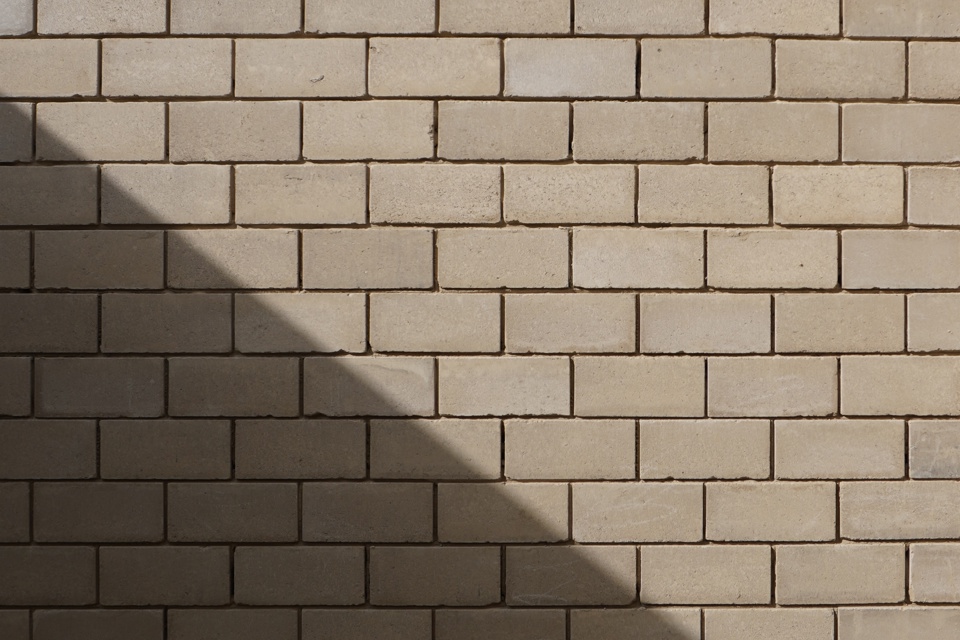
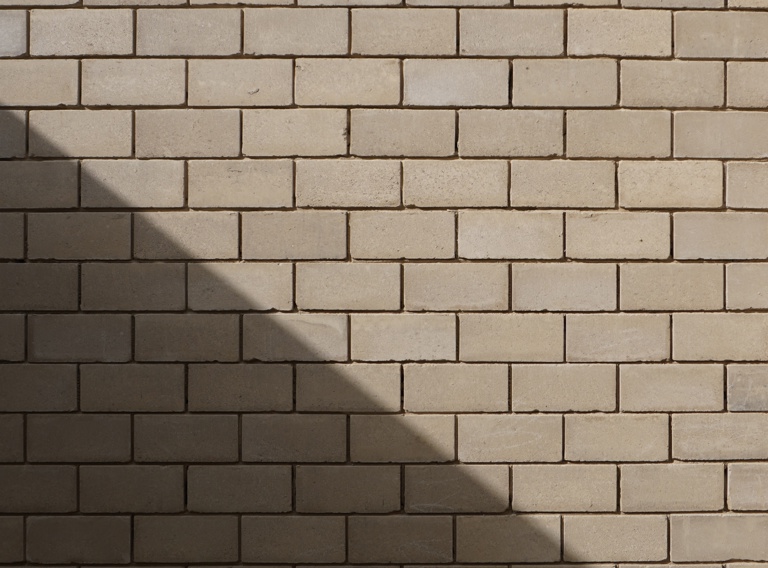
Het Living Lab Leemsteen is een interdisciplinair onderzoeksproject dat het potentieel van leemsteen als duurzaam en circulair bouwmateriaal binnen de Vlaamse bouwsector onderzoekt.
Living Lab Leemsteen is an interdisciplinary research project that investigates the potential of unfired earth blocks as a sustainable and circular building material within the Flemish construction sector.
Van aarde naar waarde
Het Living Lab Leemsteen is een interdisciplinair onderzoeksproject dat het potentieel van leemsteen als duurzaam en circulair bouwmateriaal binnen de Vlaamse bouwsector onderzoekt. Vertrekkend vanuit de volledige keten, van grondstof en productie tot ontwerp, uitvoering en gebruik, brengt het living lab onderzoekers, ontwerpers, aannemers en producenten samen rond concrete praktijkvragen.
Het project werd opgezet binnen het driejarige VLAIO Living Lab Circulaire Economie Living Lab Leemsteen Van aarde naar waarde en gecoördineerd door de Universiteit Hasselt, in samenwerking met a2o, Democo, Buildwise, brickZ en BC materials. Door experimenteel onderzoek te koppelen aan reële bouwprojecten werden ontwerp en uitvoeringsprincipes systematisch getest en verfijnd. Tegelijk werd ingezet op het verzamelen en integreren van gebruikerservaringen en het analyseren van technische en organisatorische uitdagingen in zowel ontwerp als uitvoering.
De praktijkgids
Een belangrijk resultaat van het living lab is deze praktijkgids. Het boek bundelt tweeëndertig praktijkcases uit West-Europa waarin leemsteen een centrale rol speelt binnen het architecturale concept en de materiaalstrategie. De selectie kwam tot stand in overleg met projectpartners, architecten, aannemers en producenten en biedt een representatief beeld van de huidige stand van zaken.
De gids omvat zowel projecten die in België binnen het kader van het living lab werden gerealiseerd als Europese referentieprojecten die werden bezocht omwille van hun alternatieve aanpak of hun doorgedreven toepassing van leemsteen. Elk project vertrekt vanuit een specifieke context, maar samen tonen de cases hoe leemsteen vandaag op uiteenlopende manieren wordt ingezet.
Onderzoek en internationale verdieping
Binnen het living lab werden verschillende projecten van nabij opgevolgd, met aandacht voor ontwerpkeuzes, uitvoering op de werf en ervaringen van alle betrokken actoren. Daarnaast werd het onderzoek verruimd met een internationale invalshoek. In landen zoals Duitsland, Frankrijk en Zwitserland is de toepassing van leemsteen op het vlak van regelgeving en praktische implementatie verder ontwikkeld. Om deze context beter te begrijpen werden ongeveer honderd internationale projecten in kaart gebracht en werden vijftien projecten bezocht samen met de betrokken architecten. Deze bezoeken leverden waardevolle inzichten en lessons learnt op die werden vertaald naar de Vlaamse context.
Inhoud en opbouw van het boek
De analyse van elke case is gebaseerd op één of meerdere sitebezoeken en een diepte interview met de architect of bouwpartner. Daarbij werden ontwerp en uitvoeringskeuzes kritisch bevraagd. Dit resulteerde in een beter inzicht in het gedrag van leemsteenmetselwerk in de praktijk, de prestaties op lange termijn en de ervaringen van gebruikers, ontwerpers en uitvoerders.
Voor elk project bevat het boek:
- een projectbeschrijving met focus op context en materiaalkeuzes
- een analyse van ontwerp en uitvoering
- een uitgewerkt constructiedetail dat toont hoe het leemsteenmetselwerk werd ontworpen en gebouwd
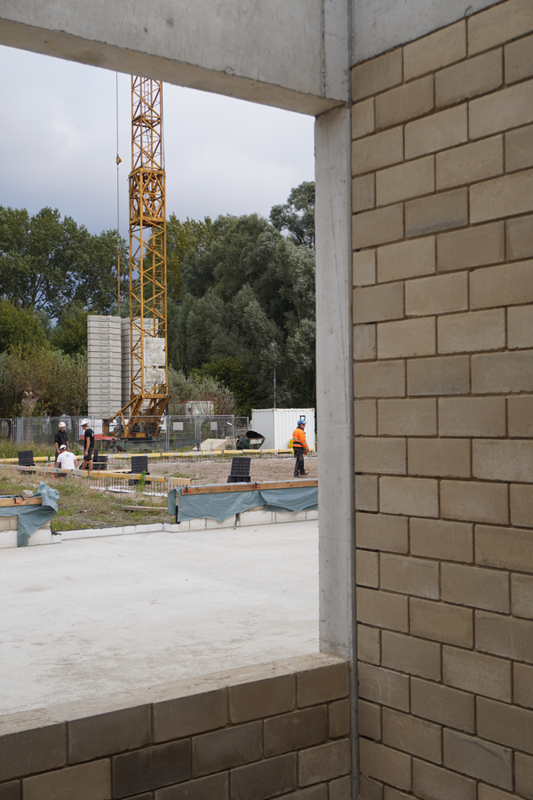
- fotografisch materiaal en observaties ter plaatse
De geselecteerde projecten bestrijken een brede waaier aan typologieën en schaalniveaus. In sommige projecten vormt leemsteen één specifiek onderdeel, in andere is het materiaal integraal opgenomen in het volledige ontwerp. Samen schetsen de cases een genuanceerd en inspirerend beeld van de mogelijkheden van leemsteen in hedendaagse architectuur.
Download en verdere informatie
De praktijkgids is beschikbaar als online publicatie en kan vrij worden gedownload via het formulier hieronder.
- Voor meer achtergrond over het onderzoeksproject kan u terecht op de website: www.livinglableemsteen.be.
- Voor bijkomende informatie, vragen of samenwerkingen kan u contact opnemen via info@livinglableemsteen.be.

Dit onderzoek werd gefinancierd door:

VLAIO is het aanspreekpunt van de Vlaamse overheid voor alle ondernemers in Vlaanderen. VLAIO stimuleert en ondersteunt innovatie en ondernemerschap en werkt, in samenwerking met tal van partners, aan een gunstig ondernemingsklimaat.
VLAIO zet sterk in op circulair ondernemen. Daarom ontving dit VLAIO-project steun en middelen van het NextGenerationEU-fonds van de Europese Commissie.
Living Lab Leemsteen (Earth Blocks)
Living Lab Leemsteen is an interdisciplinary research project that investigates the potential of unfired earth blocks as a sustainable and circular building material within the Flemish construction sector. Starting from the entire value chain, from raw material and production to design, construction, and use, the living lab brings together researchers, designers, contractors, and producers around concrete practice-based questions.
The project was initiated within the three-year VLAIO Living Lab Circular Economy programme under the title Living Lab Leemsteen From Earth to Value and was coordinated by Hasselt University, in collaboration with a2o, Democo, Buildwise, brickZ, and BC materials. By linking experimental research to real building projects, design and construction principles were systematically tested and refined. At the same time, the project focused on collecting and integrating user experiences and on analysing technical and organisational challenges in both design and execution..
The Publication
One of the key outcomes of the living lab is this publication. The book brings together thirty-two practice based case studies from Western Europe in which unfired earth blocks play a central role within the architectural concept and material strategy. The selection was made in consultation with project partners, architects, contractors, and producers, and offers a representative overview of the current state of practice.
The publication includes both projects realised in Belgium within the framework of the living lab and European reference projects that were visited for their alternative approach or advanced application of unfired earth blocks. Each project emerges from a specific context, yet together the cases demonstrate how unfired earth blocks are currently applied in a wide variety of ways.
Research and International Perspective
Within the living lab, several projects were closely monitored, with attention to design decisions, on-site execution, and the experiences of all involved actors. In addition, the research was expanded through an international perspective. In countries such as Germany, France, and Switzerland, the application of unfired earth blocks is more advanced in terms of regulations and practical implementation. To better understand these contexts, approximately 100 international projects were documented, and 15 projects were visited with the involved architects. These visits generated valuable insights and lessons learned, which were translated to the Flemish context.
Content and Structure of the Book
The analysis of each project is based on one or more site visits and an in-depth interview with the architect or building partner. Design and construction choices were critically examined, resulting in a deeper understanding of the behaviour of unfired earth block masonry in practice, its long-term performance, and the experiences of users, designers, and builders.
For each project, the book includes:
- a project description with a focus on context and material choices
- an analysis of design and construction
- a developed construction detail showing how the unfired earth block masonry was designed and built
- photographic material and on-site observations
The selected projects cover a wide range of building typologies and scales. In some projects, unfired earth blocks form a specific part of the building, while in others the material is fully integrated into the overall design. Together, the cases present a nuanced and inspiring picture of the possibilities of unfired earth blocks in contemporary architecture.
Download
The publication is available online and can be downloaded free of charge via the form below.
- More background information about the research project can be found on the website: www.livinglabearthblocks.be
- For additional information, questions, or potential collaborations, please use the contact on info@livinglableemsteen.be


VLAIO is the Flemish government’s point of contact for all entrepreneurs in Flanders. VLAIO stimulates and supports innovation and entrepreneurship and contributes to a favourable entrepreneurial climate, in cooperation with numerous partners.
VLAIO is fully committed to circular entrepreneurship. That is why this VLAIO project received support and resources from the European Commission’s NextGenerationEU fund.