MEET THE JURY SEMINAR: 'Age-related differences in bimanual coordination and motor learning: BOLD variability and its modulation by task complexity'
Dit event is reeds afgelopen
Exclusive 'Meet the jury' seminar preceding Sara Magalhães Ferreira's thesis defense at September 22nd, 2026.
From Genes to Intelligence: A Multimodal Model of the Neural Architecture
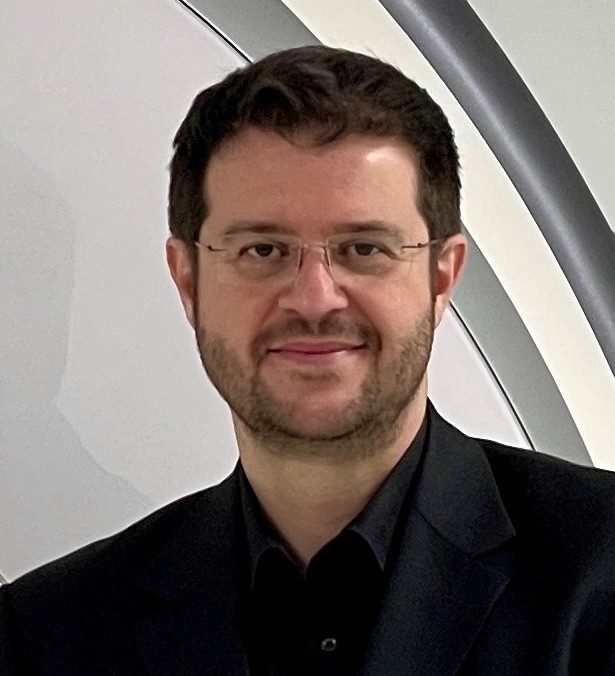
by Prof. dr. Erhan Genç | Group Leader Neuroimaging and Interindividual Differences, ifADo, Dortmund.
General intelligence (g) is highly heritable and predicts key life outcomes, but the neural pathways from genetic variation to g remain incompletely understood. I will present a series of multimodal studies mapping the route from polygenic scores to intelligence via complementary brain properties.
Cortical surface area and structural network efficiency robustly mediate the PGS–g link, whereas static rsfMRI metrics show no consistent regional mediation. Limited reliability of rsfMRI graph metrics may contribute to these null findings. Resting‑state EEG reveals that frequency‑specific nodal efficiency in theta and beta bands partially mediates genetic effects on intelligence in young adults. White‑matter microstructure, particularly neurite density and myelin content, provides biologically more specific mediation pathways than fractional anisotropy.
I will integrate these findings into a unified multimodal model and conclude with limitations and an outlook on longitudinal, lifespan models.
Brain dynamics as a means to quantify ongoing thinking
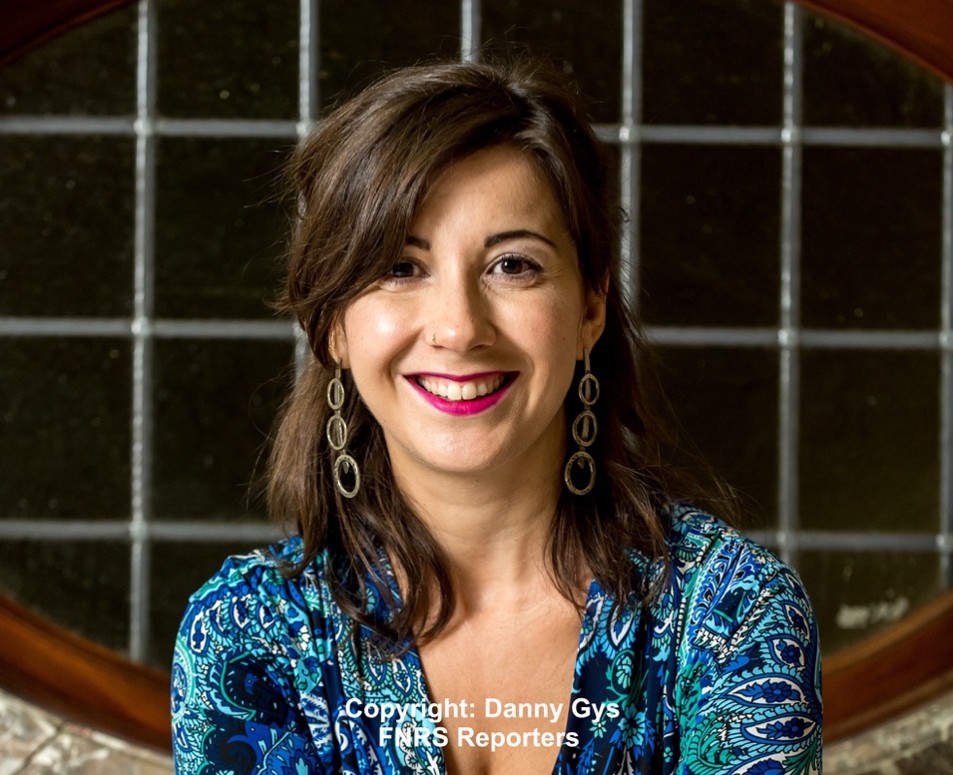
by Demertzi Athena | FNRS Maître de Recherches - GIGA CRC Human Imaging, ULiège
Medical imaging indicates that, in typical conditions, brain function is dynamic and rich of variant patterns of activity, leading to an ongoing stream of thinking. When this brain dynamism is compromised people also report changes in their thought content.
Here, I will show how departures from balanced brain states are linked to altered conscious states as seen in the lab and clinical context.
Inversely, I will introduce how atypical thinking, such that of mind blanking, can provide a measurable expression of an underlying neurobiological mechanism linked to arousal fluctuations.
Furthermore, I will argue that such contentless thoughts during wakefulness could reflect an adaptive biological response to promote prolonged wakefulness. This perspective challenges the notion that the mind is a constant thought-full operator and leads to new knowledge about our current biomechanistic understanding of mental state reportability during waking life.
Location:
- Skyroom, 2.02
- Faculteit Revalidatiewetenschappen, Wetenschapspark 7, 3590 Diepenbeek.
Registration
No registration required. Feel free to join us in the Skyroom.
|
test |
test |
|---|---|
|
test |
test |