About DSOS
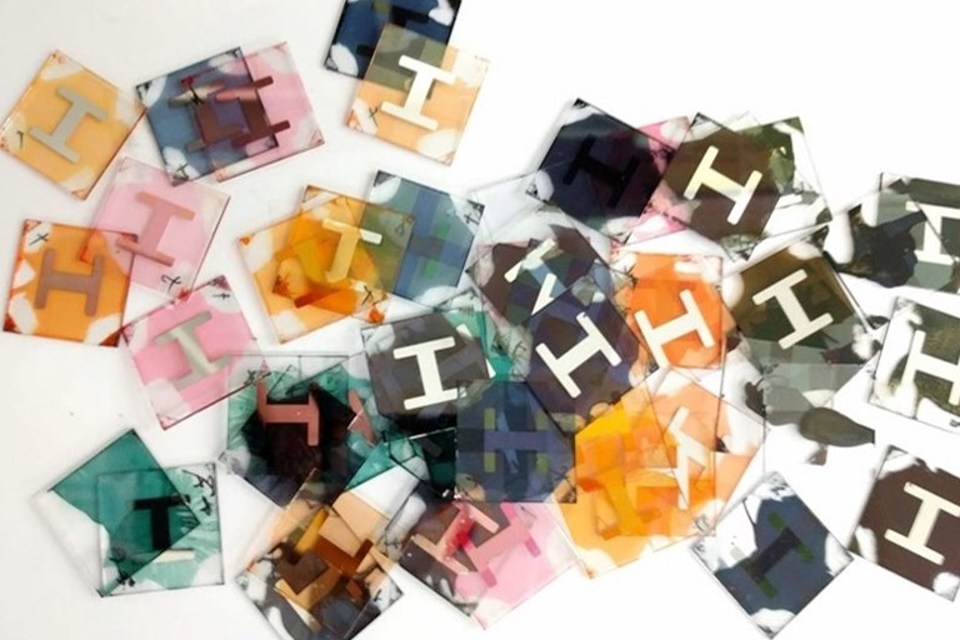
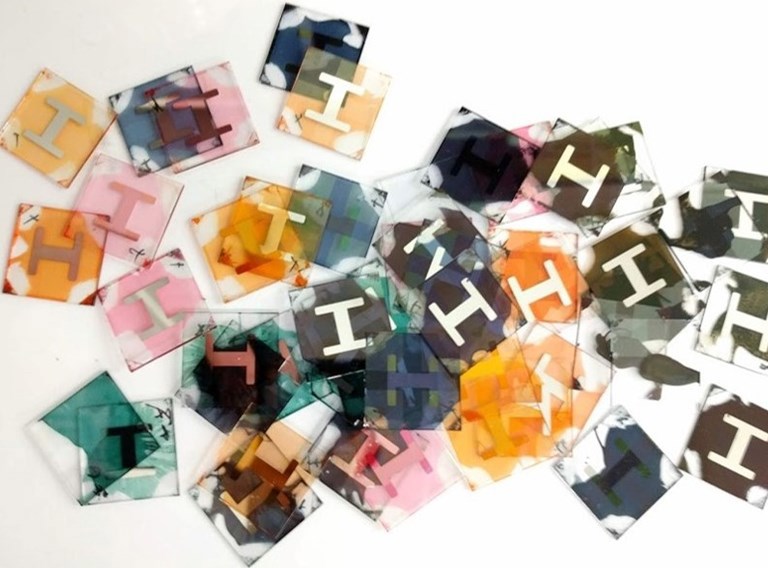
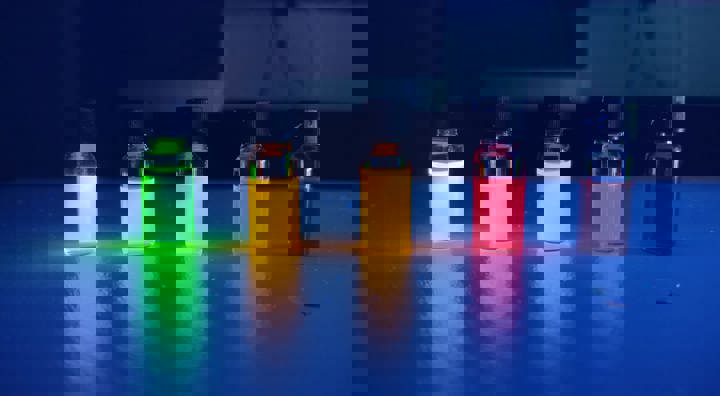
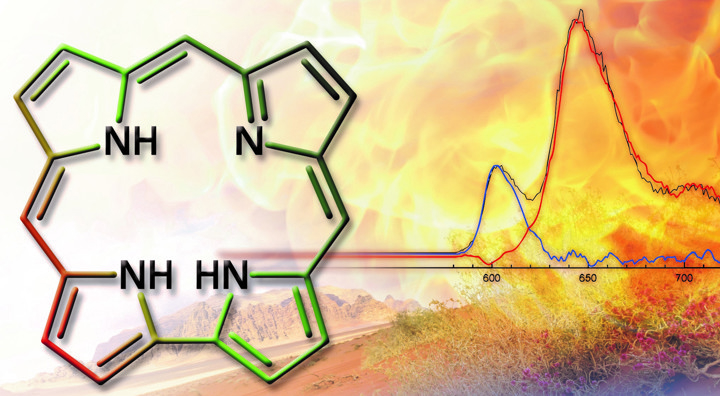
The expertise group 'Design & Synthesis of Organic Semiconductors' (DSOS) focuses on the synthesis and characterization of organic semiconducting materials and their integration in optoelectronic devices and advanced healthcare applications.
Research lines

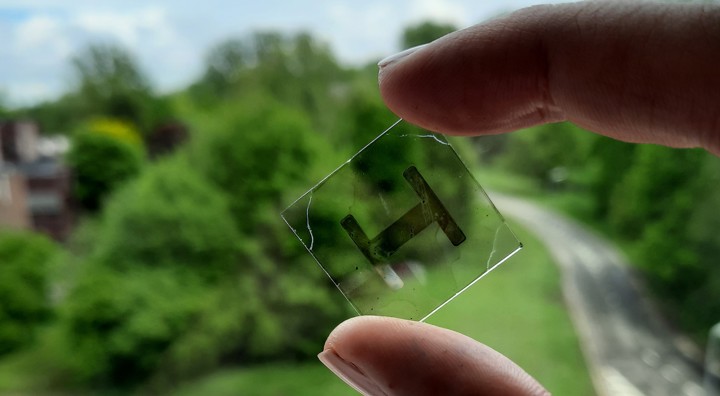
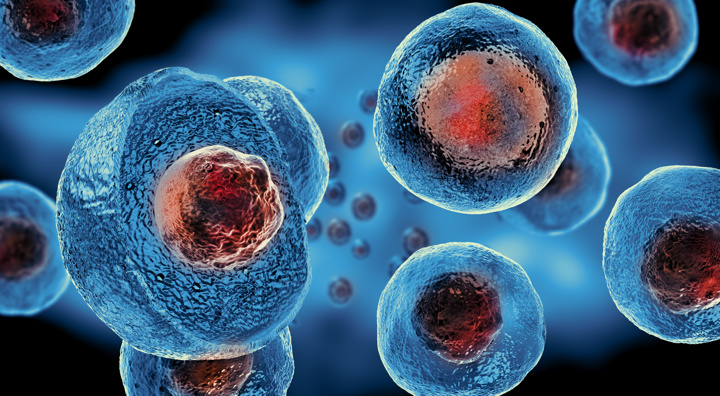
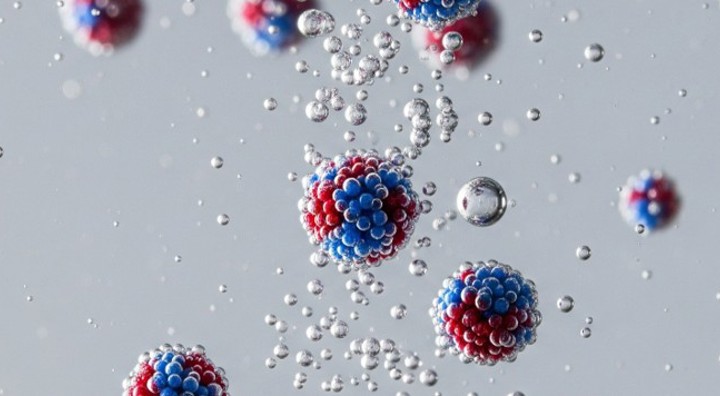
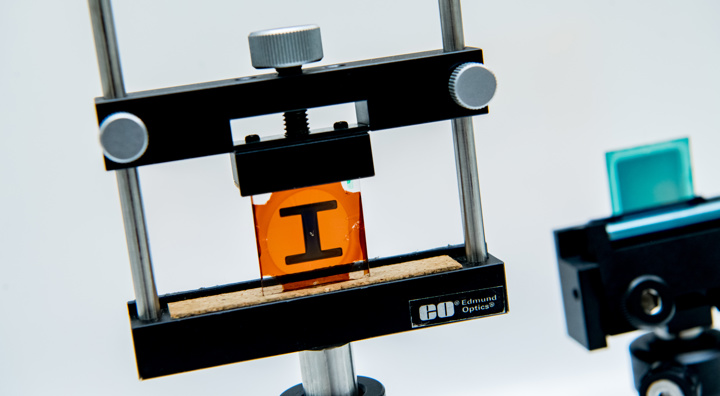
How to collaborate with DSOS?
- Joint research projects: research and development in close cooperation, financed by a third party (e.g. FWO, VLAIO, Horizon Europe, EFRO)
- Technology/knowledge transfer: you can strengthen your market position through licensing and access to our existing technologies and expertise
- Partnership: you can cooperate with DSOS and use our technology (possibly) in combination with your own technology to set up a new company
- Scientific services: DSOS has long-standing expertise in applied and contract research in collaboration with industry
Contact
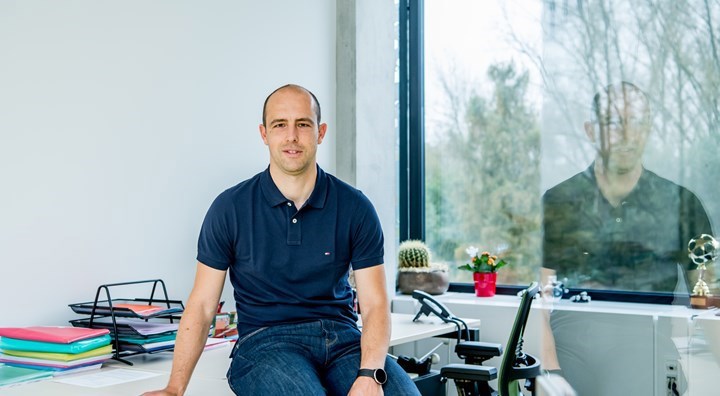
prof. dr. Wouter Maes
Location
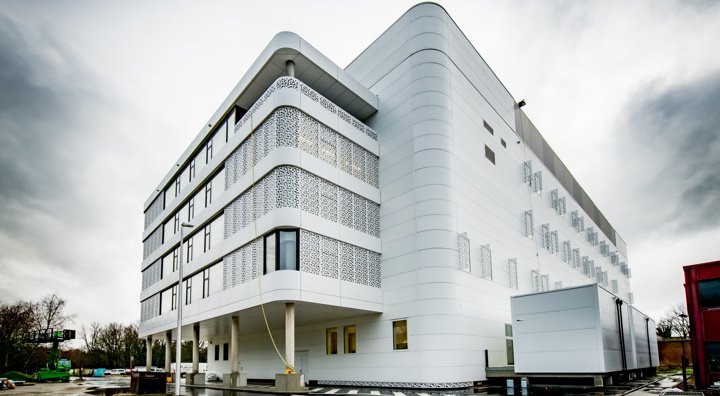
Agoralaan Gebouw F, 3590 Diepenbeek, Belgium
Function
Full professor
E-mail
wouter.maes@uhasselt.be
Phone
+32 11 26 83 12
IUMAT
Location
Agoralaan Gebouw F, 3590 Diepenbeek, Belgium
Function
Institute for Materials Research
E-mail
iumat@uhasselt.be
Phone
+32 11 26 82 03