Francqui leerstoel professor Hans Van Dyck (UCLouvain) aan de UHasselt
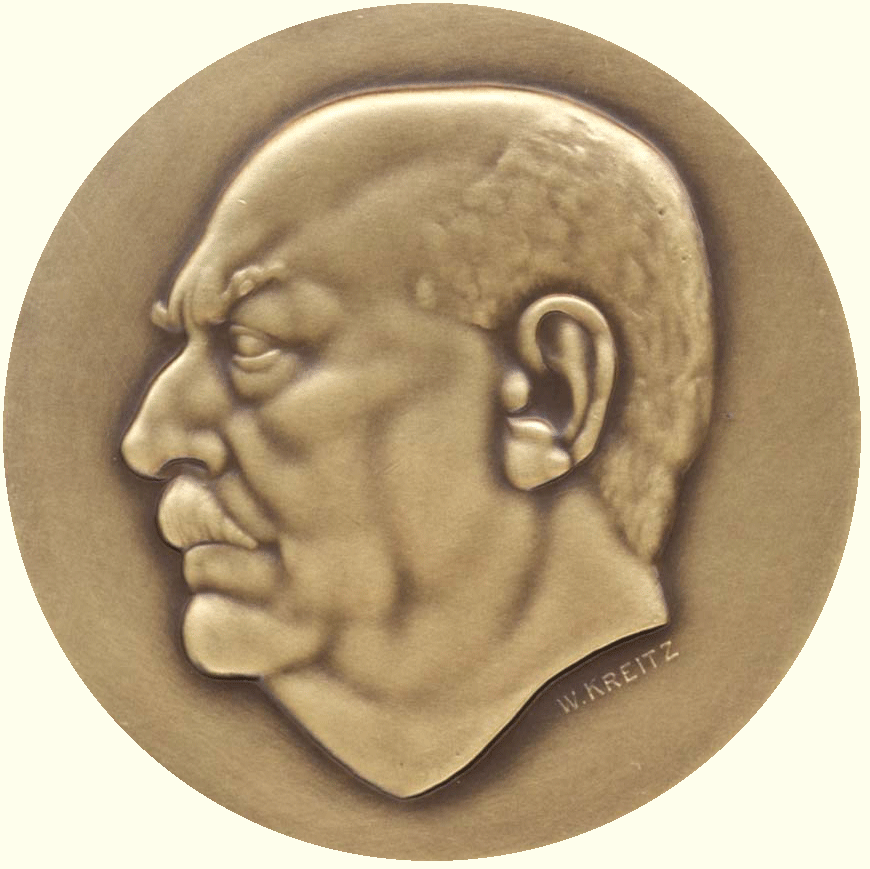
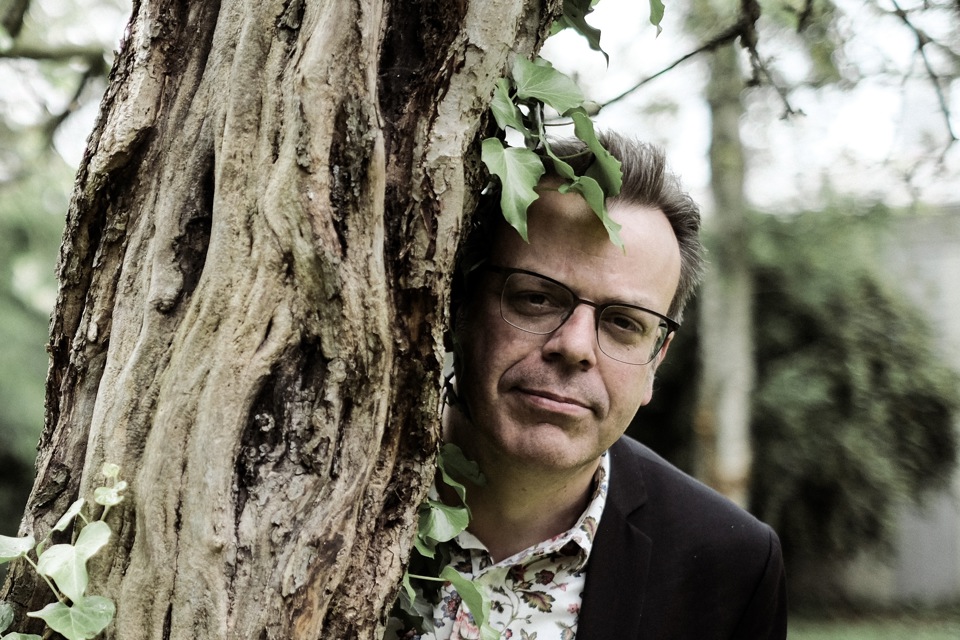
Op voordracht van UHasselt, kende de Francqui Stichting dit academiejaar een Francqui leerstoel toe aan Hans Van Dyck, professor gedragsecologie aan het Earth & Life Institute van de UCLouvain (Louvain-la-Neuve). Van Dyck probeert de verschillen te begrijpen tussen winnaars en verliezers onder wilde dieren in landschappen op mensenmaat. Naar aanleiding van deze Francqui leerstoel zal hij verschillende lezingen geven doorheen het academiejaar '25-'26.
Lezingenreeks
Hans Van Dyck voert met zijn onderzoeksgroep Behavioural Ecology & Conservation fundamenteel en toegepast studiewerk uit in het veld en in het laboratorium met insecten (dagvlinders, motten, sprinkhanen) en vogels als courante studiesystemen. Zijn werk draagt internationaal bij tot inzichten in concepten als habitatselectie, dispersie, ecologische valstrik, generalistische of specialistische levensstijlen in antropogene landschappen en natuurbehoud.
Van Dyck geeft college aan de faculteit wetenschappen van de UCLouvain in vakgebieden zoals gedragsecologie, landschapsecologie, thermische ecologie, toegepaste evolutiebiologie en ecologie en maatschappij. Daarnaast brengt Van Dyck geregeld biologische inzichten tot bij beleidsmakers en het grote publiek. Dat laatste gebeurt door stukken te schrijven voor kranten en tijdschriften, boeken te schrijven, publieksvoordrachten te houden en voor radio en televisie te spreken. Hij denkt ook graag na over de relatie tussen kunst en biologie, filosofie en biologie en over het belang van biodiversiteit voor menselijk welzijn. Het programma van zijn Francqui leerstoel laat verschillende van deze facetten aan bod komen.
On the recommendation of Hasselt University, the Francqui Foundation awarded a Francqui Chair to Hans Van Dyck, professor of behavioural ecology at the Earth & Life Institute of UCLouvain (Louvain-la-Neuve). Van Dyck aims to understand the differences between winners and losers among wild animals in anthropogenic landscapes. To this end, he and his behavioural ecology & conservation research group conduct fundamental and applied research in the field and laboratory using insects (butterflies, moths, grasshoppers) and birds as study systems. His work contributes internationally to understanding concepts such as habitat selection, dispersal, ecological trap, generalist versus specialist lifestyles in human-dominated environments and nature conservation.
Van Dyck lectures at the UCLouvain Faculty of Sciences in fields such as behavioural ecology, landscape ecology, thermal ecology, applied evolutionary biology, and ecology and society. He regularly shares biological insights with policymakers and with the general public. He does this by writing articles for newspapers and magazines, authoring books, giving public lectures and speaking on radio and television. He enjoys reflecting on the relationships between art and biology, philosophy and biology, and the importance of biodiversity for human well-being. The program of his Francqui Chair addresses several of these topics.
Dinsdag 21 oktober 2025, 19.00-20u30: Inaugurale les
Sensory ecology: what you see is not what other animals get
Onze menselijke bedrijvigheid heeft ingrijpende gevolgen voor de leefgebieden van vele wilde soorten, maar schept ook veranderingen voor de zintuiglijke perceptie van dieren in snel veranderende landschappen op mensenmaat. Sensorische ecologie, zijnde de studie van de manier waarop soorten omgevingsinformatie binnenkrijgen, verwerken en gebruiken om te overleven en zich voor te planten, geniet groeiende wetenschappelijke belangstelling. Het onderzoek in dit domein integreert fundamenteel gedragsonderzoek in landschapsecologische benaderingen die ook voor het natuurbehoud betekenisvol zijn. Van Dyck steunt de renaissance van het Umwelt-concept dat al lang geleden werd geïntroduceerd. Umwelt-denken erkent de subjectieve belevingswereld van ieder organisme op basis van de eigen zintuiglijke en cognitieve eigenschappen. Die kunnen erg afwijken van de menselijke kijk op de zaak. Het thema is een eyeopener en vormt de rode draad doorheen deze Francqui leerstoel. Van Dyck zal zijn eigen gedragsecologisch onderzoek, alsook een selectie van ander internationaal onderzoek, aanwenden om ons in te leiden in de sensorische ecologie. Hij zal de vaak te menselijke kijk op leefgebieden in het natuurbehoud bekritiseren en nagaan hoe we die ‘Umwelten’ van andere dieren kunnen vatten. Op het einde van de inaugurale les, biedt hij een blik op de thema’s van de komende lessen en activiteiten.
Global expansion of human activities affects multiple habitats and species, but it also comes with sensory challenges for animals co-occurring with us in anthropogenic landscapes. Sensory ecology, the study of how organisms gather, process and use information from their environment to survive and reproduce, is receiving increasing attention. The field integrates fundamental behavioural research into landscape ecology and is relevant for nature conservation. Van Dyck encourages the renaissance of the long-standing Umwelt-concept that recognizes the subjective world of experience of each living organism, shaped by its sensory and cognitive abilities. Their abilities may deviate significantly from ours. This eye-opening issue forms the overarching theme of this Francqui Chair. Van Dyck will introduce his own behavioural work, as well as a selection of other international work, on sensory ecology (e.g. light pollution at night amongst other topics) and he will criticize our way too human view on the environment in conservation biology ignoring the ‘Umwelten’ of other organisms. At the end of the inaugural lecture, he will briefly introduce the themes of the coming lectures and activities.
Dinsdag 28 oktober 2025, 16u00-17u00 – H6 Campus Diepenbeek
Lecture1: What exactly is a habitat? Our ambiguity with an ecological key concept
Dinsdag 10 februari 2026, 16u00-17u00 – H6, Campus Diepenbeek
Lecture 2: Ecological trap concept: when animals go for bad habitat options
Dinsdag 24 februari 2026, 16u00-17u00 – H6 Campus Diepenbeek
Lecture 3: Behavioural landscape ecology: when structure does not equal function
Dinsdag 10 maart 2026, 16u00-17u00 – H6
Lecture 4: Urban ecology, evolution & biodiversity
Woensdag 25 maart 2026, 16u00--17u00 – H6
Lecture 5: Butterflies: conservation lessons from iconic ‘flying jewels’
Dinsdag 7 april 2026, 15u00-16u00 en 16u15-17h15 – H6 Campus Diepenbeek
Lecture 6: Behavioural ecology: the art of doing experimental research with living creatures
Lecture 7: Public biodiversity knowledge, extinction of experience and shifting baseline syndrome
Dinsdag 21 april 2026, 16u00-17u00 – H6
Lecture 8: What is the functional habitat of Homo sapiens? On biodiversity and human well-being
Dinsdag 12 mei 2026, 19.00-21u00: publieksavond – H6
Publieksavond: Kennismakers over ‘Liegen en bedriegen in de natuur: een evolutionaire kijk’ en publieke nabespreking over het belang, valkuilen en uitdagingen van evolutionair denken bij wetenschappers, beleidsmakers en het brede publiek.
(in samenwerking met Universiteit Vlaanderen)