Ann Light: Impact at Times of Change
This lecture is part of the Reworlding Spring School that will take place at Hasselt University, at the historic beguinage in Hasselt (Belgium), from 4 to 8 May 2026.
This 5-day intensive programme explores the role of “re-institutioning” in socio-environmental transitions, bringing together researchers, practitioners, and students to engage with new approaches to institutions and governance, for example from more-than-human perspectives.
Dit event is reeds afgelopen
Ann Light: Impact at Times of Change
As designers, we construct our problems as we set out to solve them. As changemakers, our culture’s assessment tools may represent aspects of life that we want to change. As practitioners, the world in which we begin our designs may have shifted by the time we are looking for evidence that our work was effective.
This talk shares case studies from change projects where cultural and organisational shifts, both intended and incidental, shaped the doing. What mechanisms bridge between the world of dispassionate measurement and the reality of project-making on the ground?
About Ann Light
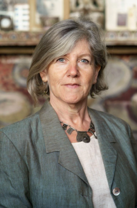
Ann Light is an interaction theorist and professor of design working at University of Sussex, UK, and Malmö University, Sweden. She specializes in participatory practice, human-technology relations and collaborative future-making. Regarding the social and ecological as inextricably linked and believing creative remaking of relations is needed, she is studying cultural aspects of climate care, the stress that current systems put on the planet and more-than-human alternatives.
She is co-creator of the CreaTures Framework, part of EU project Creative Practices for Transformative Futures (CreaTures: https://creaturesframework.org/) and recently co-led Social Justice in the Digital Economy (Not-Equal: https://not-equal.tech/), a UK platform for research into more equal societies. Her personal Fellowship in the UK examines ‘The Role of Immersive Participative Techniques in Eco-Social Change’.
The REWORLDING Network
How do people, places and more-than-human beings make sense of socio-ecological change - and act upon it? REWORLDING brings together researchers, communities and organisations to explore how participatory design can help navigate these complex realities.
We focus on inclusive, careful and situated approaches that create space for unheard voices - human and more-than-human - and foster new ways of learning and acting together.

Date and location:
- Wednesday May 6th 2026
- Begijnhof Hasselt, Kapittelzaal (house #2 / 1.4)
- 17h30 - 18h30
- Lecture open for everyone
Registration
Please register via this form.
For PhD students and postdocs, we would like to draw your attention to the cancellation and no-show policy of UHasselt
More information