
Academic heritage portal
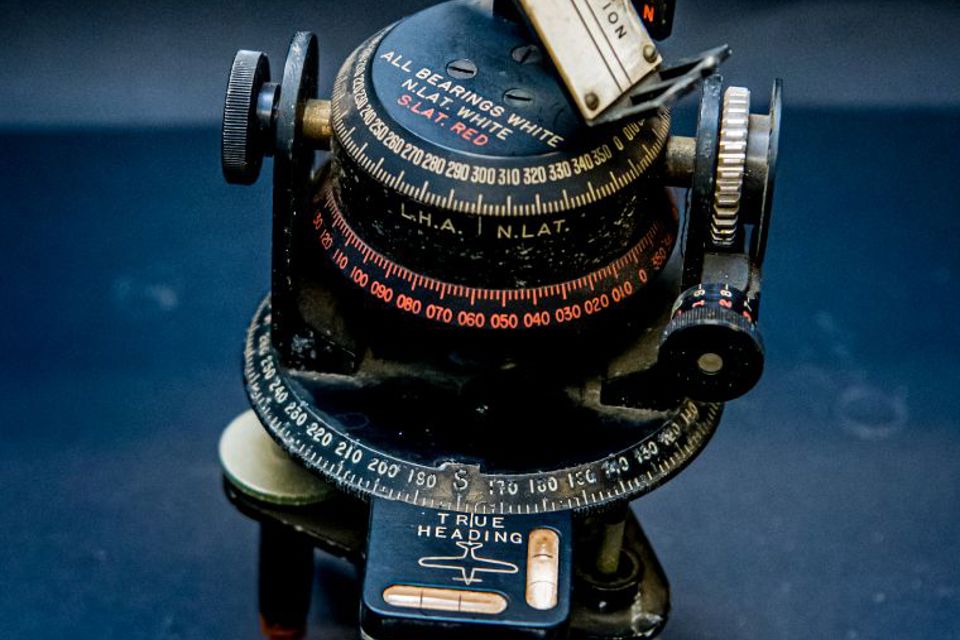
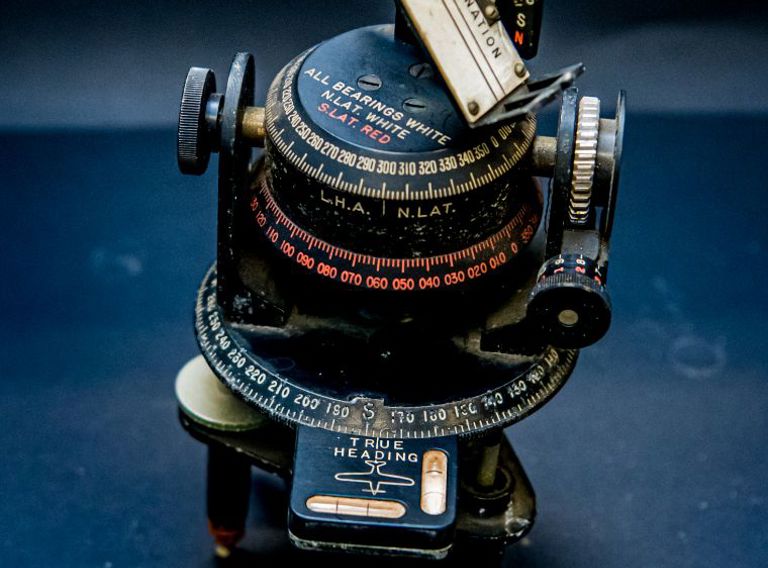
From the collection of Antarctic researcher and UHasselt emeritus Tony Van Autenboer to the hundreds of scale models, old scientific instruments, and animal collections in the numerous cabinets and display cases. Countless objects at UHasselt have their own remarkable stories.
|
UHasselt-colleagues may request a free printed copy of the book 'Sporen van kennis en verbinding' via dirk.schoenaers@uhasselt.be. |
|---|
|
As an institution with just over fifty years of history, Hasselt University is one of the younger universities. Despite its relative youth, it holds a rich and varied heritage collection, dispersed across storage spaces, offices, laboratories, and archives. This portal is an invitation to discover that hidden past, while also offering an opportunity to introduce a wider audience to the richness of our university heritage. |
|---|
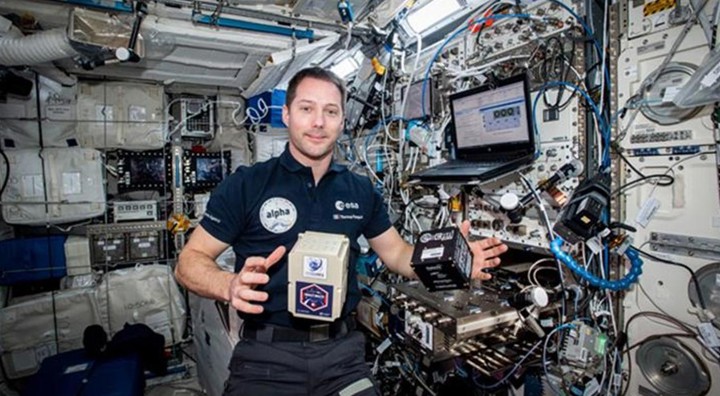
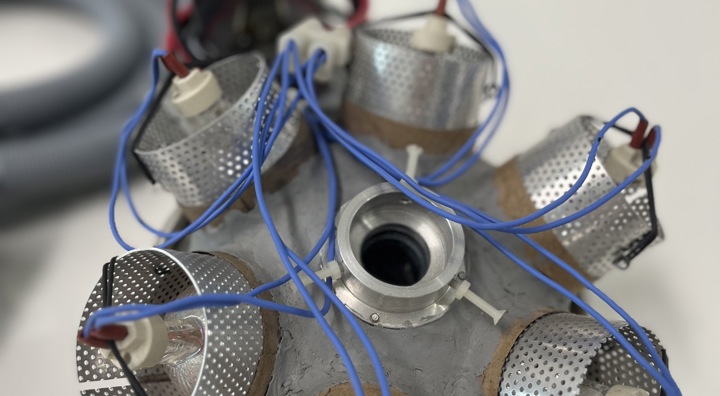
«We do not only want to show what is there, but also to raise colleagues’ awareness so that they can recognise heritage, value it, and help to inventory and unlock it. By registering collections and making them digitally accessible, we are building a shared knowledge base that offers researchers, students, and external partners new perspectives.»
Preserving What Drives Us Forward
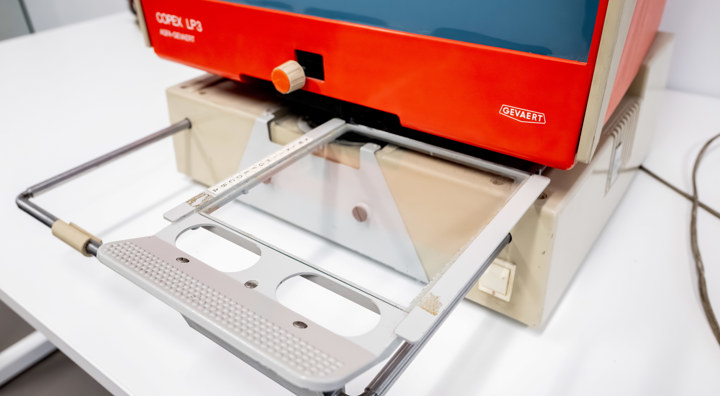
When people think of academic heritage, they often picture microscopes, measuring instruments, or laboratory equipment first. That is understandable, since these are the tools that make science tangible. But the concept reaches further. It includes all objects connected to teaching, research, and everyday life at a university.
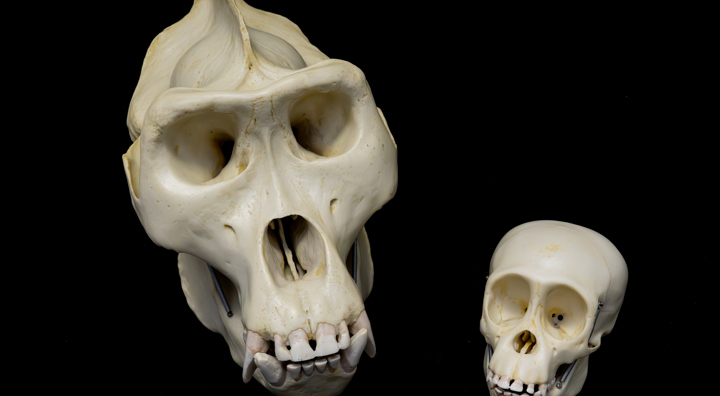
Think of rocks and minerals, specimens and skeletons, wall charts and slide series, computers and projectors, gowns and honorary doctorate ribbons, signage, furniture, merchandise, or the archives of associations. Together, they form a material memory that shows how an academic community learns, experiments, and evolves.
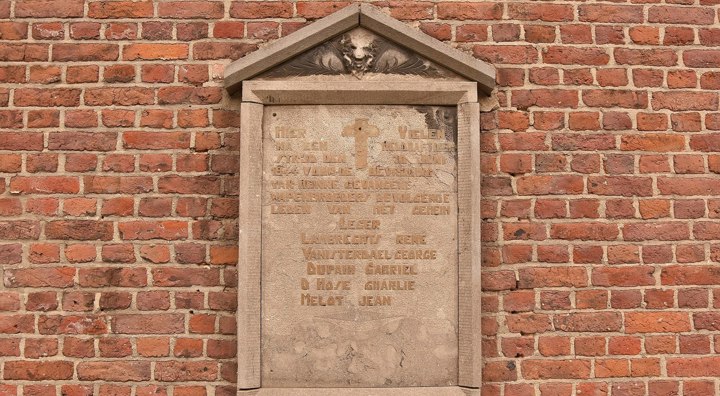
There is also such a thing as intangible academic heritage. By this we mean the practices, rituals, and traditions that are passed on and create a sense of belonging: from democracy lectures and student elections to annual academic ceremonies, club culture, award events, and recurring activities that shape campus life. This living heritage, too, tells the story of how a university organizes itself, expresses its values, and builds community.
During our search, we have seen how vulnerable that material memory is. Objects lose their practical function as technology or research methods change. Without attention, they disappear quietly, often before their historical value is even recognized. What has survived today is often thanks to individual staff members who understood its importance. But sustainable care requires more than chance or goodwill. It requires vision, structure, and collaboration.
Recognising and Valuing
That is why we want to give academic heritage a lasting and visible place within research, teaching, and support services. This is not self-evident in a young university that is primarily focused on the future. Precisely for that reason, it is essential to look back as well: understanding our origins sharpens our view of what lies ahead. Heritage can serve as study material, a source of inspiration, and an object of research, but also as a lever for public engagement and societal dialogue.
We do not only want to show what is there, but also to raise colleagues’ awareness so that they can recognise heritage, value it, and help to inventory and make it accessible. By registering collections and making them digitally available, we are building a shared knowledge base that offers researchers, students, and external partners new perspectives. What is carefully described and preserved today may yield unexpected insights tomorrow.
Preserving Is Investing
Preserving academic heritage therefore does not mean clinging to the past, but investing in continuity. It is a way of showing how ideas emerge, grow, and are passed on, but also how a university creates a sense of connection on its campuses and far beyond them. Anyone who understands that rationale sees scientific research and education not as a collection of separate discoveries from an ivory tower, but as a living story deeply rooted in society. And that is precisely the story we want to safeguard: clear, accessible, and ready to be continued.
Have you spotted a piece of academic heritage?
It could be in an office, a lab, a workshop, a storeroom, or simply in your home. We are casting the net wide: scientific instruments and equipment, but also merchandise and promotional material.
Sometimes it is an interesting object that is about to be cleared out and thought of as something that can 'ust go'. Those are exactly the kinds of items we would like to give a second life in time.
Have you come across something that:
- is being kept somewhere locally (in your department, faculty, student association, etc.),
- may be at risk of disappearing or is almost being thrown away,
- or simply preserves a piece of UHasselt history?
Please let us know.
- Would you like to donate an object? We would be happy to take care of it for you.
- Would you prefer to keep it a little longer yourself? That is absolutely fine too. In that case, we would be glad to take a photograph. Either way, we would be very pleased to hear the story behind the object.
That is how we can help keep UHasselt’s memories alive.
You can report items by email:
dirk.schoenaers@uhasselt.be


