UHasselt is home to a remarkably diverse heritage. In this blog series, we highlight a different topic each time, showing how the university’s past continues to inspire the research of the future.
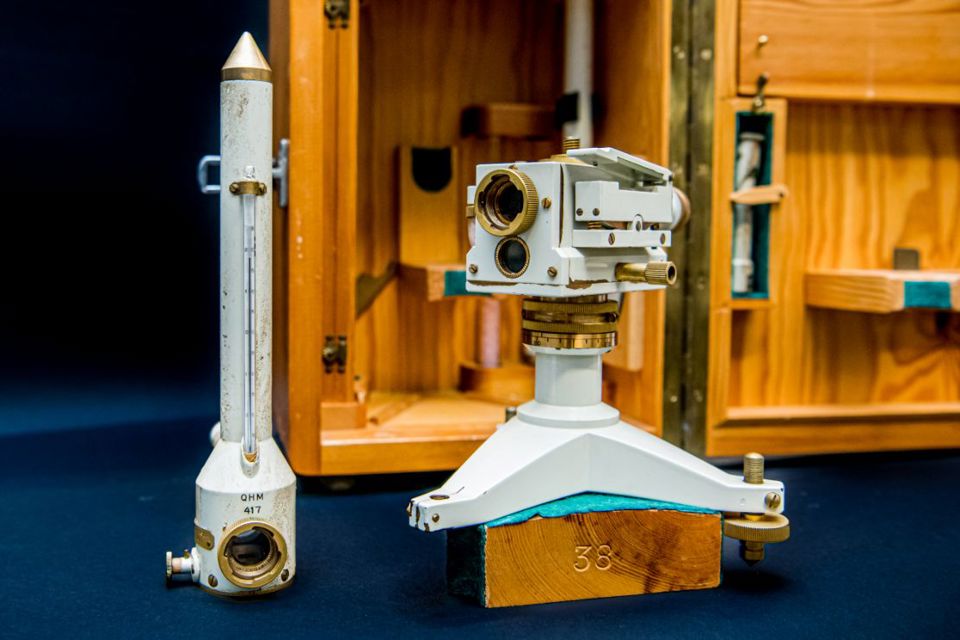
Through X-LAB, Hasselt University showcases a remarkable collection devoted to polar research, centred on the heritage of the Belgian Antarctic expeditions.
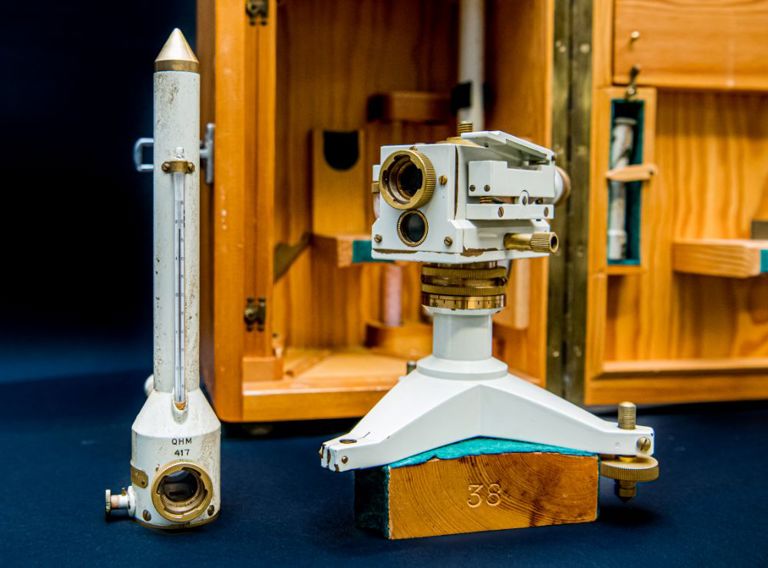
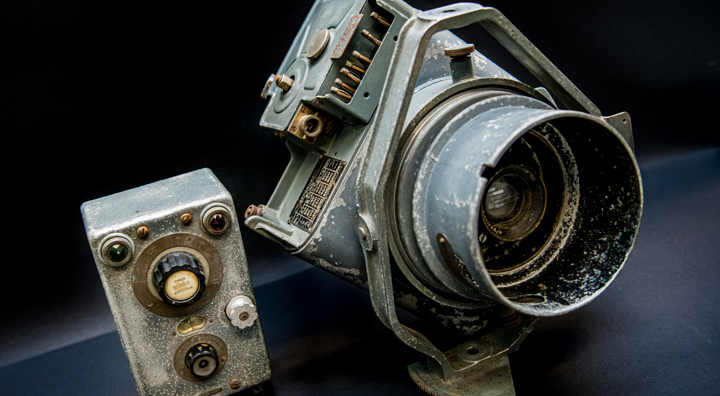
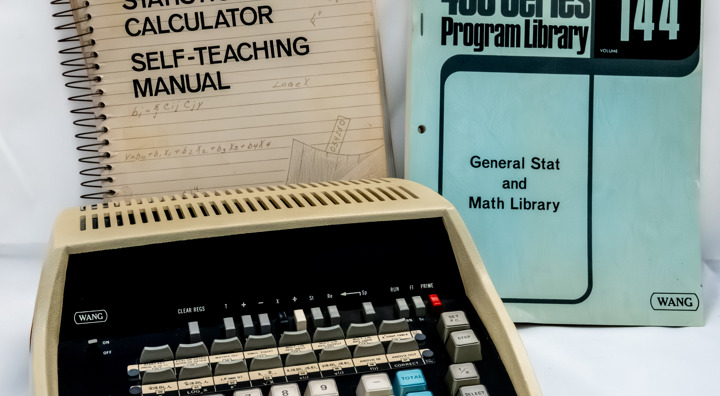
X-LAB preserves a remarkable collection of academic heritage: measuring instruments, computers, and calculators that show what scientific practice looked like before everything became digital, lightweight, and wireless.
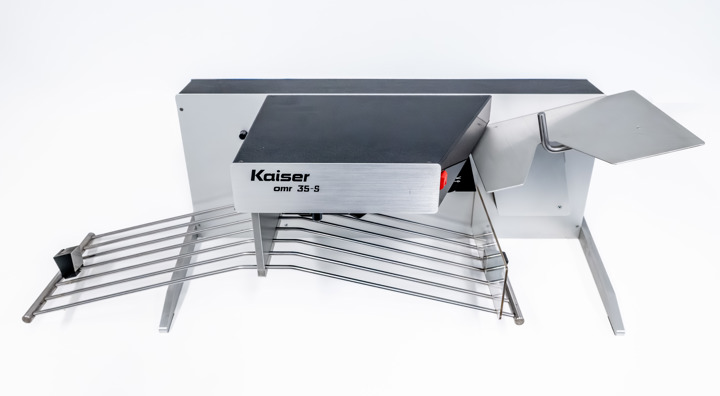
The Kaiser OMR 35S is a fine example of academic and administrative ingenuity from the paper era: a robust forms reader designed to process stacks of documents with great speed and accuracy.
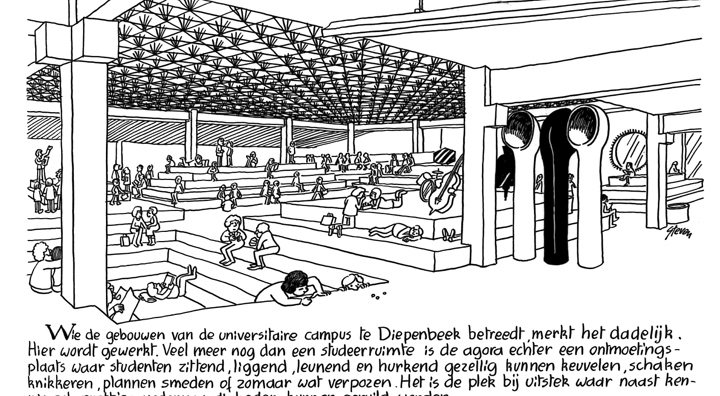
To mark the tenth anniversary of the Limburgs Universitair Centrum (now UHasselt), a special publication appeared in 1983: Cum Laude.
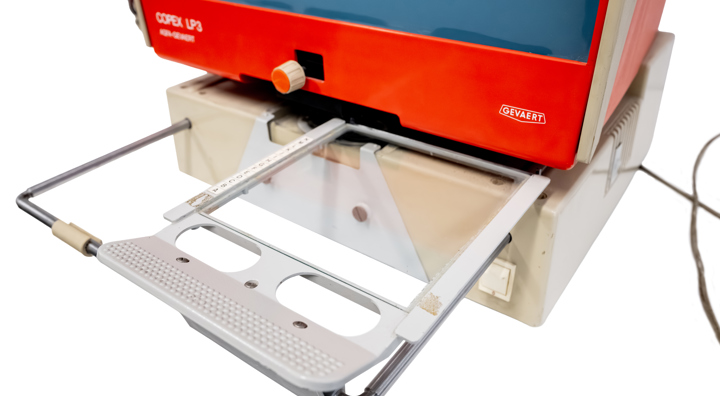
Anyone who now browses digital archives with ease can scarcely imagine that research once began by threading a film strip beneath the heavy metal hood of a microfiche reader.
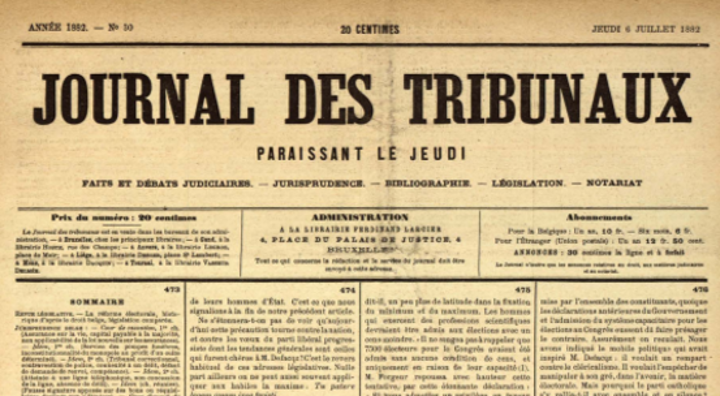
The Journal des Tribunaux, founded in 1881 by the influential jurist and publisher Edmond Picard, is one of the oldest and most authoritative legal periodicals in Belgium.
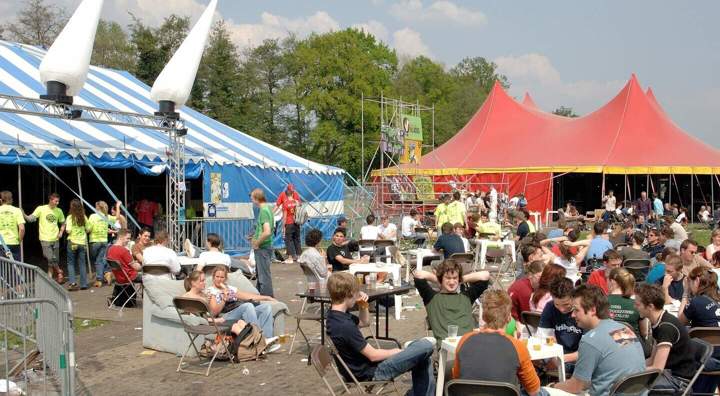
When you walk past the campus in Diepenbeek in April or May, you notice it immediately: the campus sounds different. There is music in the air, lights are glowing, and students everywhere are pulling each other towards the festival field.
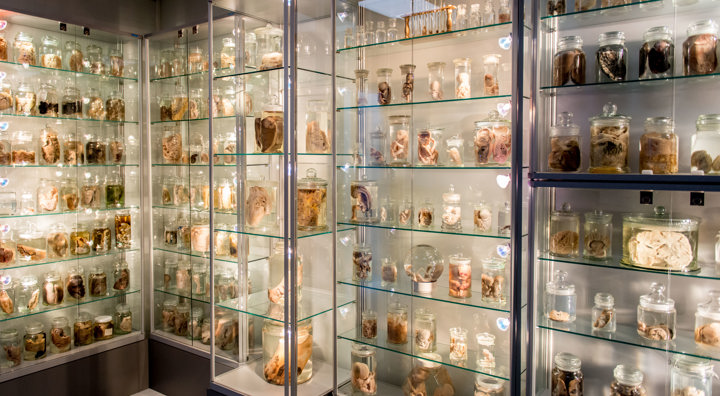
On Campus Diepenbeek, one finds the intriguing Organ Museum, born of the work of pathologist-anatomist Johan Van Robays.
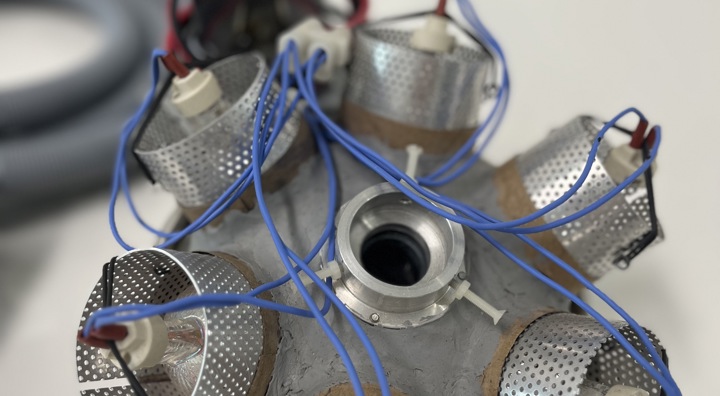
Devices that later enter the mainstream often begin as improvised constructions. The development of fluorescence imaging systems at UHasselt is a telling example of that process.
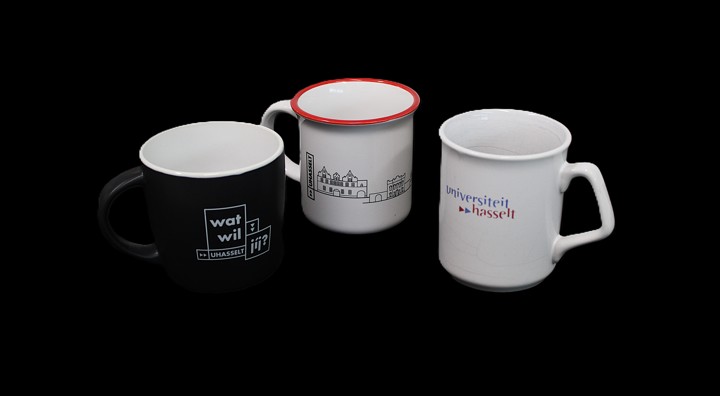
Promotional material, memorabilia, and merchandise may seem incidental at first glance: a poster, a programme booklet, a badge, or a hoodie. Yet it is often precisely these small things that keep major moments alive.
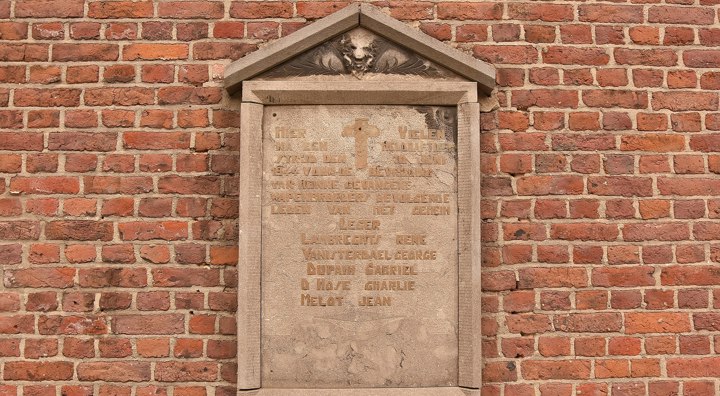
By reflecting on themes such as democracy, the rule of law, and human rights at the site of the liberation operation of 10 June 1944, the Democracy Lectures have grown into a form of living academic heritage.
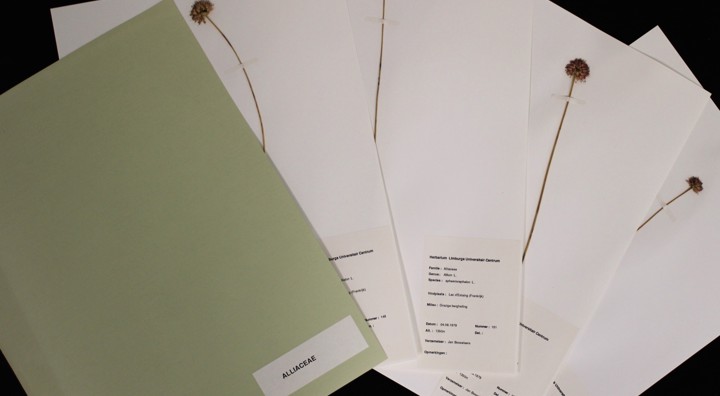
Anyone with questions about the characteristics, growing conditions, or distribution of plants needs physical comparative material with proper context. That is why herbaria were assembled, including at the former LUC.